Disclaimer: This content is for educational purposes only, not medical advice. Always consult with a doctor before making significant changes to your diet, especially if you have pre-existing health conditions.
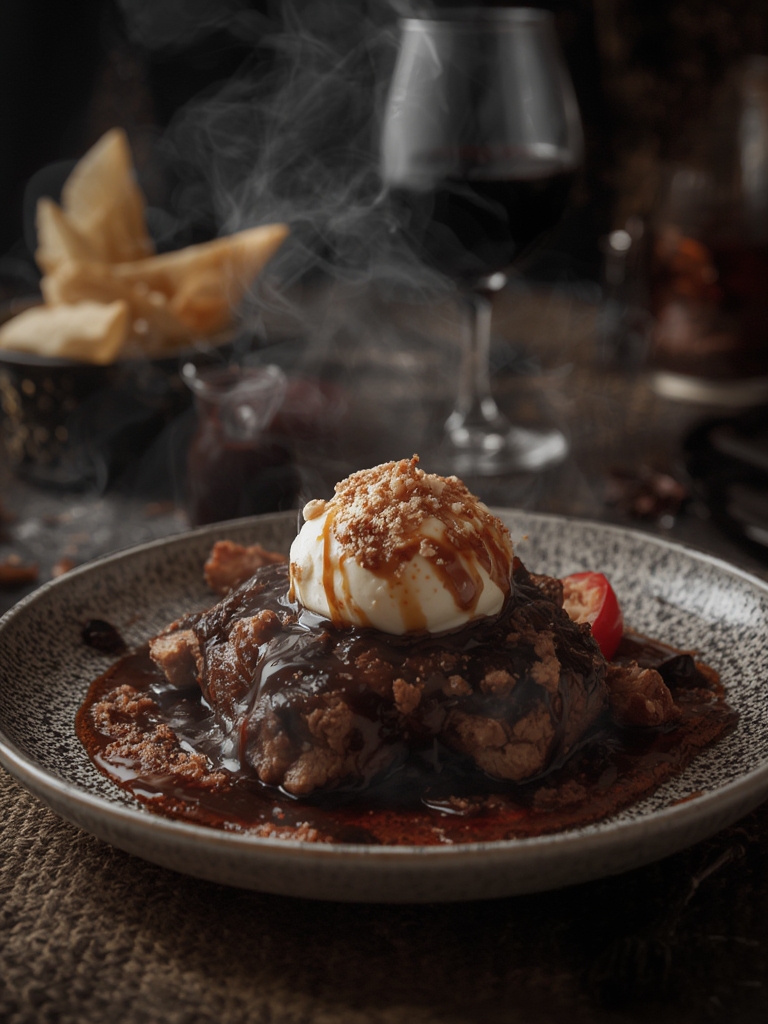
The first time I tried a smoked beef dessert was during a chilly Asheville autumn gathering. Standing in my grandmother’s kitchen, I watched in fascination as she folded tender smoked beef into a sweet maple cream. Growing up in the North Carolina mountains taught me that culinary boundaries are meant to be crossed. This smoked beef dessert combines classic smoking techniques with unexpected sweet elements for a truly memorable treat that will surprise and delight your guests.
IN THIS ARTICLE
Key Takeaways: What You Need To Know
– Smoked beef desserts blend savory smoke flavors with sweet elements for a sophisticated taste experience
– The secret lies in balancing smoke intensity with complementary sweet ingredients
– Beef choices matter—brisket, short ribs, and chuck each bring unique qualities to desserts
– Temperature control during smoking is essential for dessert-quality meat
– Sweet elements like maple, chocolate, and caramel pair exceptionally well with smoked beef
– These desserts make impressive showstoppers for special occasions
What Makes Smoked Beef Dessert So Unique?
Direct Answer Summary: Smoked beef desserts create a fascinating contrast between savory smoke flavors and sweet components, utilizing umami-rich proteins to enhance caramelization and depth while challenging traditional dessert boundaries in an exciting culinary adventure.
My journey with smoked beef dessert began when I was experimenting with leftover brisket in my Asheville kitchen. Something about the rich, smoky flavor made me wonder how it might transform traditional sweet treats. The smoked beef dessert concept works because it leverages the natural umami of beef with the transformative quality of smoking, creating complex flavors that enhance sweetness in surprising ways.
This unexpected combination has historical roots in various cuisines—from Chinese red bean paste with pork to Mexican mole sauce with chocolate and meat. The smoked beef dessert simply takes this sweet-savory tradition to a deliciously modern place.
Why Sweet and Savory Combinations Work
The science behind smoked beef desserts is fascinating. Our taste buds are designed to recognize five primary tastes: sweet, salty, sour, bitter, and umami. When we combine these elements thoughtfully, they enhance each other rather than compete. The smoked beef provides deep umami and savory notes that actually make sweet flavors more complex and interesting.
I’ve found through years of kitchen experimentation that smoke particles bind with fat molecules in beef, creating a vehicle for flavor that blooms beautifully when paired with caramelized sugars or fruit elements. This is why a delicate smoked beef cheesecake or maple-beef ice cream can be so surprisingly delightful—the contrast creates depth that’s impossible to achieve with sweet elements alone.
How Does Smoking Change Beef’s Flavor Profile?
Smoking beef for dessert applications requires a different approach than traditional barbecue. The transformation that occurs during the smoking process is what makes smoked beef dessert possible in the first place. When wood smoke meets beef, hundreds of chemical compounds develop, creating complex flavors that range from vanilla-like notes to caramel undertones.
For my smoked beef desserts, I prefer fruit woods like apple or cherry, which impart subtle sweetness that bridges the gap between savory and sweet. The proteins in beef undergo the Maillard reaction during smoking, creating new flavor compounds that pair beautifully with traditional dessert elements. According to the USDA Food Safety and Inspection Service, proper smoking not only develops these flavors but also preserves the meat, making it ideal for advance dessert preparation.
Smoked Beef Chocolate Chip Cookies
Equipment
- Mixing bowls
- electric mixer or whisk
- Baking sheet
- spatula
- Oven
Ingredients
- 2 1/4 cups all-purpose flour
- 1 tsp baking soda
- 1 tsp salt
- 1 cup butter (softened)
- 3/4 cup granulated sugar
- 3/4 cup brown sugar (packed)
- 1 tsp vanilla extract
- 2 large eggs
- 2 cups semi-sweet chocolate chips
- 1/2 cup finely chopped smoked brisket (fat trimmed)
Instructions
- Preheat oven to 375°F (190°C).
- In a bowl, combine flour, baking soda, and salt.
- In another bowl, beat butter, granulated sugar, brown sugar, and vanilla until creamy.
- Add eggs one at a time, mixing well after each addition.
- Gradually mix in the dry ingredients until combined.
- Stir in chocolate chips and finely chopped smoked beef.
- Drop rounded tablespoons of dough onto baking sheets.
- Bake for 9–11 minutes until golden brown.
- Cool slightly before serving.
Notes
Nutrition
Selecting and Preparing Beef for Sweet Applications
Direct Answer Summary: For smoked beef desserts, choose marbled cuts like brisket point or short ribs, trim excess fat but leave enough for flavor, cut into precise portions before smoking, and use gentle brining with sweet elements like maple syrup to enhance dessert compatibility.
The foundation of any outstanding smoked beef dessert starts with selecting the right cut. This isn’t just any barbecue project—we need beef that will complement sweet flavors while maintaining its identity through the smoking process. Through countless test recipes in my kitchen, I’ve discovered that certain cuts shine in dessert applications.
Brisket, particularly the point section, offers rich marbling that becomes buttery when properly smoked. Short ribs provide intense beefy flavor that stands up beautifully to sweet companions. Chuck roast, when carefully prepared, offers an economical option with excellent flavor potential for smoked beef dessert creations.
What Cuts Work Best for Dessert Applications?
When developing my signature smoked beef ice cream, I learned that fat content plays a crucial role in dessert success. Cuts with good intramuscular fat (marbling) create the smoothest mouthfeel when incorporated into sweet applications. Here’s a breakdown of my favorite cuts for smoked beef dessert creation:
| Beef Cut | Best For |
|---|---|
| Brisket Point | Creamy desserts, custards, ice cream |
| Short Ribs | Caramel applications, cheesecakes |
| Chuck Roast | Chocolate pairings, cookies |
| Sirloin | Fruit-based desserts |
For smoked beef dessert beginners, I recommend starting with brisket point. Its natural richness creates a buttery quality that blends seamlessly into sweet applications. When shopping, look for USDA Choice or Prime grades with good marbling throughout.
How Should You Trim and Prepare the Beef?
Proper preparation of beef for dessert smoking differs from traditional barbecue prep. When I’m creating a smoked beef dessert, I focus on clean flavors and precise portions. Start by trimming excess fat—but not all of it. Leave about 1/4 inch of fat cap to provide moisture and flavor during the smoking process.
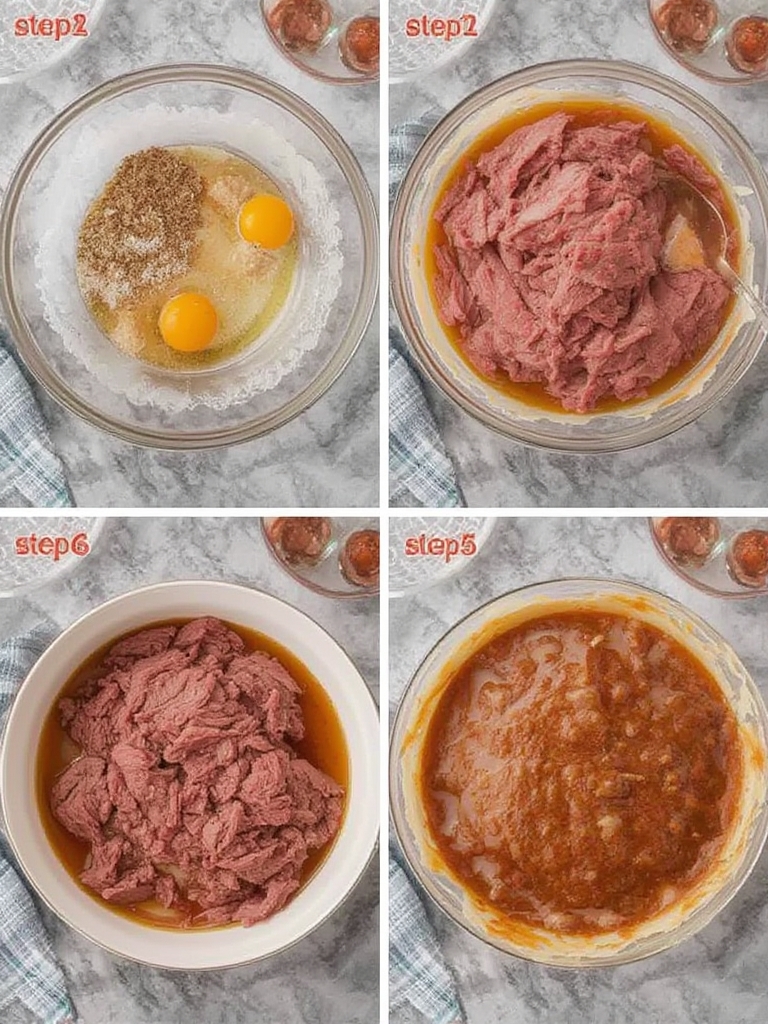
For my maple smoked beef custard, I cut the brisket into 2-inch cubes before smoking. This increases surface area for smoke penetration and creates more consistent pieces for later incorporation into the dessert. I also recommend a light brine with sweet elements:
1. Combine 1 gallon cold water with 1 cup kosher salt and 1/2 cup maple syrup
2. Add aromatics like cinnamon stick and star anise
3. Brine beef for 6-12 hours before smoking
4. Rinse thoroughly and pat dry
5. Allow to air-dry in the refrigerator for 1 hour before smoking
This preparation creates beef that’s receptive to smoke while already laying groundwork for the sweet-savory fusion that makes smoked beef dessert so special.
Mastering the Smoking Process for Dessert Beef
Direct Answer Summary: Smoking beef for desserts requires lower temperatures (180-225°F) than traditional barbecue, milder woods like apple or cherry, shorter smoking times to prevent overwhelming sweetness, and careful monitoring using a digital thermometer to reach an internal temperature of 165-170°F.
The smoking process for dessert beef differs significantly from traditional barbecue approaches. After years of experimentation in my Asheville backyard, I’ve discovered that smoked beef dessert success hinges on gentle, controlled smoke application. When smoking beef for sweet applications, we’re looking for subtle smoke notes that enhance rather than overwhelm the dessert components.
My first smoked beef dessert attempt was a disaster—the meat was too heavily smoked and completely overpowered the delicate caramel I’d paired it with. Through trial and error, I’ve developed a foolproof approach that delivers perfectly smoked beef for dessert incorporation every time.
What Temperature and Wood Choices Work Best?
Temperature control is critical when creating smoked beef for desserts. While traditional barbecue might call for smoking at 225-275°F, I’ve found that lower temperatures produce better results for dessert applications. My ideal temperature range for smoked beef dessert preparation is 180-225°F, which allows for gentle flavor development without creating harsh smoke characteristics.
Wood selection dramatically impacts your final smoked beef dessert flavor. Here’s my guide to wood selection based on the dessert application:
| Wood Type | Flavor Profile | Best Dessert Pairings |
|---|---|---|
| Apple | Mild, slightly sweet | Custards, ice cream, cheesecake |
| Cherry | Mild, fruity | Chocolate desserts, fruit tarts |
| Maple | Mild, sweet | Caramel desserts, bread pudding |
| Pecan | Medium, nutty | Pecan pie, brownies |
I avoid stronger woods like hickory, mesquite, or oak for dessert applications as they can create bitter notes that fight with sweet elements. For my signature smoked beef chocolate truffles, I exclusively use cherry wood for its subtle fruity notes that enhance the chocolate beautifully.
How Long Should You Smoke Beef for Desserts?
Smoking duration for dessert beef is generally shorter than for traditional barbecue. We’re not aiming for the complete breakdown of connective tissues that makes barbecue tender. Instead, we want to develop flavor while maintaining a texture that works in dessert applications.
For most of my smoked beef dessert recipes, I smoke until the internal temperature reaches 165-170°F. This typically takes 2-3 hours for 2-inch cubes at 200°F. The exact timing depends on your smoker’s efficiency, outside temperature, and the cut’s thickness.
I always use a digital thermometer with a probe to monitor temperature without opening the smoker repeatedly. This ensures consistent temperature and smoke application. Remember that smoked beef for desserts should be treated as a flavor component—we’re not looking for “fall-apart tender” but rather a pleasant chew that contrasts with creamier dessert elements.
After smoking, I let the beef cool completely before incorporating it into desserts. Often, I’ll refrigerate it overnight to allow the smoke flavor to mellow and distribute evenly throughout the meat.
Creating Sweet Complements for Smoked Beef
Direct Answer Summary: Successful smoked beef desserts balance the savory meat with complementary sweet elements including maple syrup, dark chocolate, caramel, vanilla bean, and fresh or dried fruits, creating harmonious flavor pairings through careful balancing of richness, sweetness, and textural contrast.
The magic of a smoked beef dessert lies in the sweet elements that transform smoked meat into something unexpectedly delicious. Through years of kitchen experiments (and some memorable failures), I’ve discovered certain sweet ingredients that pair remarkably well with the savory richness of smoked beef.
My first successful smoked beef dessert came about when I combined apple wood-smoked brisket with a maple custard base for ice cream. The buttery beef fat melted into the custard, creating a smooth mouthfeel while the smoke notes complemented the maple’s woodsy sweetness. Since then, I’ve expanded my repertoire of sweet companions for this unique dessert concept.
What Sweet Ingredients Pair Best with Smoked Beef?
Finding the right sweet companions for smoked beef requires understanding flavor bridges—ingredients that connect savory and sweet profiles. Through countless test batches in my kitchen, I’ve identified these sweet ingredients as ideal partners for smoked beef desserts:
| Sweet Element | Why It Works | Best Applications |
|---|---|---|
| Maple Syrup | Woodsy notes complement smoke | Ice cream, custard, bread pudding |
| Dark Chocolate | Bitter elements balance beef richness | Truffles, mousse, brownies |
| Caramel | Shares Maillard flavors with smoked beef | Sauce, cheesecake, flan |
| Vanilla Bean | Enhances natural sweetness | Panna cotta, crème brûlée |
| Dried Cherries | Tangy-sweet counterpoint | Ice cream, cookies, bread pudding |
How Do You Balance Savory and Sweet Elements?
Achieving perfect balance in a smoked beef dessert requires careful attention to proportions and preparation methods. Too much beef creates an overwhelmingly savory experience, while too little makes the smoke flavor disappear into the background.
For most applications, I follow this formula:
– Creamy desserts (ice cream, custard): 15-20% smoked beef by weight
– Baked desserts (cookies, brownies): 10-15% smoked beef by weight
– Chocolate applications: 20-25% smoked beef by weight
Texture plays a crucial role in successful smoked beef desserts. I typically process the smoked beef differently depending on the application:
1. For ice creams and custards: Finely chop or process into a near paste
2. For chocolate applications: Dry slightly in a low oven, then crush into small bits
3. For caramel applications: Shred finely to distribute throughout the caramel
In my smoked beef caramel sauce, I infuse cream with finely chopped smoked brisket, then strain it before adding to the caramel. This imparts flavor without affecting the sauce’s silky texture. The key is ensuring each bite delivers both savory and sweet notes in harmonious balance.
Five Impressive Smoked Beef Dessert Recipes
Direct Answer Summary: These five standout smoked beef dessert recipes showcase the versatility of this unique culinary concept: Smoked Beef and Maple Ice Cream, Dark Chocolate Smoked Beef Truffles, Smoked Beef Caramel Sauce, Smoked Beef Chocolate Chip Cookies, and Cherry Wood Smoked Beef Cheesecake.
After years of experimentation in my Asheville kitchen, I’ve developed several smoked beef dessert recipes that consistently impress even the most skeptical guests. Each recipe showcases a different approach to incorporating smoked beef into sweet applications, demonstrating the surprising versatility of this unique concept.
The first time I served my Smoked Beef and Maple Ice Cream at a family gathering, my uncle—a traditional barbecue purist—was prepared to hate it. One spoonful later, he was asking for the recipe. That’s the magic of well-executed smoked beef desserts: they challenge preconceptions and create memorable culinary experiences.
What Are Some Easy Starter Recipes?
If you’re new to the concept of smoked beef dessert, these two recipes make excellent entry points. They’re straightforward to prepare and offer a gentle introduction to the sweet-savory combination.
Smoked Beef Chocolate Chip Cookies
These cookies incorporate small amounts of finely chopped smoked beef for a subtle savory note that enhances the chocolate’s richness.
Ingredients:
– 2 1/4 cups all-purpose flour
– 1 tsp baking soda
– 1 tsp salt
– 1 cup (2 sticks) butter, softened
– 3/4 cup granulated sugar
– 3/4 cup packed brown sugar
– 1 tsp vanilla extract
– 2 large eggs
– 2 cups semi-sweet chocolate chips
– 1/2 cup finely chopped smoked brisket (fat trimmed)
1. Preheat oven to 375°F
2. Combine flour, baking soda and salt
3. Beat butter, sugars and vanilla until creamy
4. Add eggs one at a time, beating well
5. Gradually beat in flour mixture
6. Stir in chocolate chips and smoked beef
7. Drop by rounded tablespoons onto baking sheets
8. Bake 9-11 minutes until golden brown
The key to this smoked beef dessert is ensuring the beef is chopped very finely and distributed evenly throughout the dough. The savory notes are subtle but add incredible depth to the classic chocolate chip cookie.
Smoked Beef Caramel Sauce
This versatile sauce pairs beautifully with ice cream, bread pudding, or fresh fruit.
Ingredients:
– 2 cups heavy cream
– 1/4 cup finely chopped smoked beef (preferably brisket point)
– 2 cups granulated sugar
– 1/2 cup water
– 2 Tbsp butter
– 1 tsp sea salt
– 1 tsp vanilla extract
1. Heat cream with smoked beef until just simmering
2. Remove from heat, cover, and let steep 30 minutes
3. Strain cream mixture through fine mesh sieve, pressing on beef to extract flavor
4. Combine sugar and water in heavy saucepan
5. Cook without stirring until amber colored (about 10 minutes)
6. Carefully whisk in warm cream mixture (will bubble vigorously)
7. Add butter, salt and vanilla, whisking until smooth
8. Cool to room temperature before using
The infused cream method creates a silky caramel with smoky undertones that complement the caramelized sugar perfectly. This smoked beef dessert component can elevate simple desserts to gourmet status.
What Advanced Smoked Beef Dessert Creations Can Impress Guests?
Once you’ve mastered the basics of smoked beef dessert preparation, these showstopping creations will impress even the most discerning guests.
Cherry Wood Smoked Beef Cheesecake
This sophisticated dessert features a subtle smoked beef element in both the crust and the filling, creating complex flavors that develop with each bite.
Ingredients for crust:
– 1 1/2 cups graham cracker crumbs
– 1/4 cup finely processed smoked beef (dried in low oven first)
– 1/3 cup melted butter
– 1/4 cup sugar
Ingredients for filling:
– 3 (8 oz) packages cream cheese, softened
– 1 cup sugar
– 3 eggs
– 1 cup sour cream
– 2 Tbsp finely minced smoked beef
– 2 tsp vanilla extract
– 1 Tbsp maple syrup
The preparation follows standard cheesecake technique, but the addition of cherry wood smoked beef creates a dessert that’s both familiar and entirely unexpected. I serve this with a simple fruit compote that provides acidity to balance the rich, creamy filling.
Serving and Presentation Ideas for Smoked Beef Desserts
Direct Answer Summary: Elevate smoked beef desserts through thoughtful presentation techniques including careful portion sizing, temperature consideration, strategic garnishing with complementary elements like sea salt or fresh herbs, proper plating for visual contrast, and pairing with beverages that enhance the sweet-savory experience.
Presentation plays a crucial role in the success of smoked beef desserts. Since the concept challenges conventional expectations, thoughtful presentation helps prepare guests for the unique experience ahead. Growing up in Asheville, I learned that we eat with our eyes first, and this is especially true when serving something as unexpected as a smoked beef dessert.
I’ll never forget serving my Dark Chocolate Smoked Beef Truffles at a dinner party without explanation. The guests who simply popped them in their mouths were initially confused by the savory notes. Now I always create beautiful presentations that hint at the sweet-savory fusion, preparing diners for the delightful surprise.
How Should You Plate Smoked Beef Desserts?
The plating of smoked beef desserts should create visual interest while subtly communicating their unique nature. I follow these principles when presenting my creations:
1. Use negative space – Allow elements to breathe on the plate, creating visual focus
2. Create height variation – Different levels add sophistication and visual interest
3. Consider color contrast – Use garnishes that pop against the dessert’s color
4. Incorporate texture variation – Smooth, crunchy, and chewy elements create interest
5. Add visual hints – Small garnishes can subtly signal the presence of savory elements
For my Smoked Beef and Maple Ice Cream, I serve quenelles of ice cream atop a thin shortbread cookie, then add a small candied beef garnish and a light dusting of smoked salt. This presentation creates visual intrigue while signaling the dessert’s savory component.
When serving my Cherry Wood Smoked Beef Cheesecake, I plate thin slices on rectangular plates with a smear of cherry compote, a tiny cube of candied smoked beef, and a sprig of thyme. This presentation creates a sophisticated visual that prepares guests for the complex flavors.
What Beverages Pair Well with Smoked Beef Desserts?
The right beverage pairing elevates smoked beef desserts by complementing their unique sweet-savory profile. Through extensive tasting experiments (one of the perks of dessert development!), I’ve identified these ideal beverage companions:
| Smoked Beef Dessert | Ideal Beverage Pairing | Why It Works |
|---|---|---|
| Chocolate-Based Desserts | Port Wine or Bourbon | Rich flavors complement smoke and chocolate |
| Caramel Applications | Aged Rum or Coffee | Caramel notes enhance without overwhelming |
| Custard-Based Desserts | Sauternes or Ice Wine | Sweet wines balance rich custard and smoke |
| Fruit-Forward Desserts | Amaro or Fruit Brandy | Herbal or fruit notes create harmony |
For non-alcoholic options, I’ve found these pairings work beautifully:
– Cold brew coffee with a touch of maple syrup
– Earl Grey tea with a splash of cream
– Sparkling apple cider
– Ginger beer with a dash of bitters
When hosting tasting parties featuring my smoked beef dessert creations, I always offer beverage flights that complement each course. My favorite combination remains a small square of Smoked Beef Chocolate Bark paired with aged bourbon—the caramel notes in the bourbon enhance the smoke while taming the chocolate’s bitterness.
“I was extremely skeptical when Chloe served her smoked beef chocolate truffles at our dinner club. The combination sounded strange, but the flavors worked together in this amazingly complex way. The touch of smoke with the rich chocolate was unforgettable—I’ve been requesting them at every gathering since!” – Maria D., Asheville
Creating smoked beef desserts requires patience and a willingness to experiment, but the results are truly worth it. These unique sweet-savory creations challenge culinary boundaries while delighting the palate in unexpected ways. Whether you’re an adventurous home cook or simply looking to surprise your guests, smoked beef desserts offer a fascinating culinary frontier to explore.