Disclaimer: This content is for educational purposes only, not medical advice. Always consult with a doctor before making significant changes to your diet, especially if you have pre-existing health conditions.
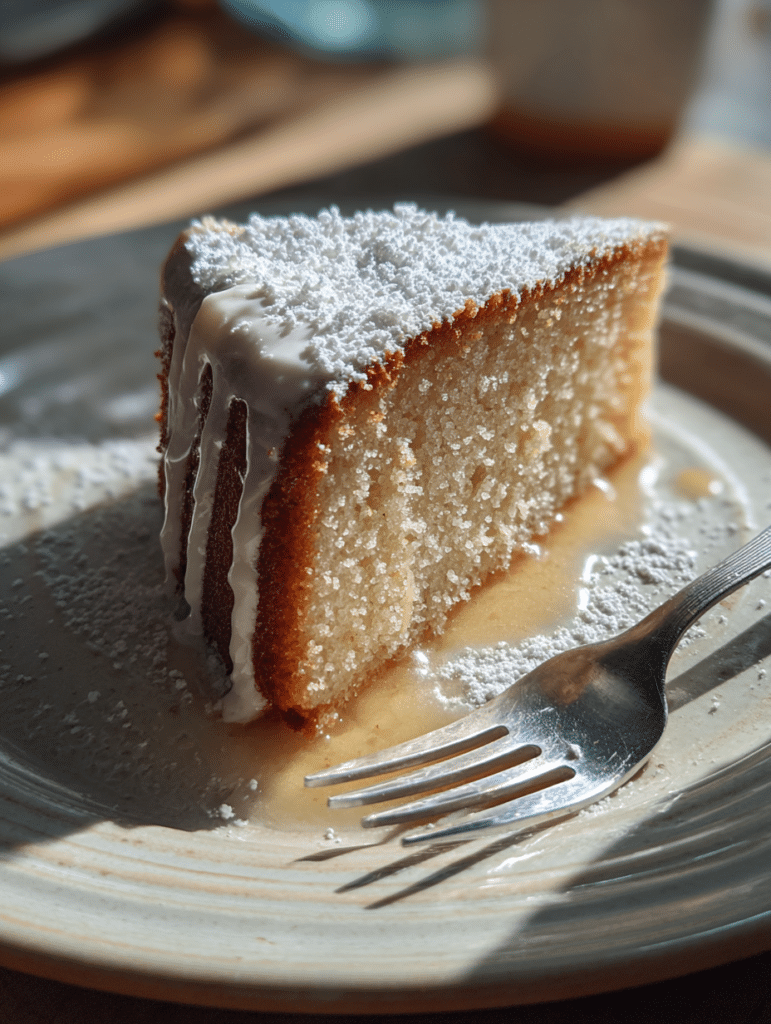
Growing up in the mountains of Asheville, North Carolina, my kitchen was always filled with the aroma of fresh-baked cakes. But when my aunt was diagnosed with diabetes, I started experimenting with sugar free cake recipes that wouldn’t spike blood sugar but would still taste delicious. The journey wasn’t always smooth—my first sugar-free vanilla cake was dense enough to use as a doorstop! Through years of testing and tweaking, I’ve perfected this recipe that brings all the moisture and flavor without the sugar. As the creator behind WePostRecipes, I’m excited to share this family favorite that proves healthy can be utterly delicious.
IN THIS ARTICLE
Key Takeaways: What You Need to Know
– Sugar-free cakes can be just as moist and delicious as traditional cakes when made correctly
– Natural sweeteners like erythritol, stevia, and monk fruit create excellent results without the sugar spike
– The right flour-to-liquid ratio is crucial for achieving perfect texture in sugar-free baking
– Adding ingredients like Greek yogurt or applesauce helps maintain moisture without added sugar
– Simple decorating techniques can create stunning sugar-free cakes for any occasion
The Basics of Sugar-Free Cake Baking
Sugar-free cake baking substitutes refined sugar with natural alternatives like erythritol, stevia, or monk fruit sweetener while maintaining moisture through ingredients like Greek yogurt, unsweetened applesauce, or extra eggs to achieve traditional cake texture and flavor.
When I first started developing my sugar free cake recipe, I quickly learned that it’s not just about swapping sugar for a zero-calorie sweetener. The science of sugar-free baking involves understanding how sugar affects texture, moisture, and structure. Sugar does more than sweeten—it tenderizes, adds volume, and helps with browning. Finding the right balance of alternative ingredients took me dozens of test batches in my Asheville kitchen.
What Makes Sugar-Free Cakes Different?
Traditional cakes rely on sugar for more than just sweetness. Sugar creates tenderness by interfering with gluten development and helps trap air during creaming, giving cakes their light texture. It also retains moisture and contributes to that beautiful golden-brown color we all love.
In sugar-free baking, we need to address all these functions. I’ve found that a combination of erythritol (my personal favorite) and a touch of stevia provides the best sweetness profile without the bitter aftertaste some sweeteners can have. For moisture retention, adding extra fat through butter, oil, or even sugar-free banana pudding can work wonders.
Choosing the Right Sugar Substitutes
Not all sugar alternatives are created equal, especially when it comes to baking cakes. Through countless tests in my kitchen, I’ve discovered which ones perform best:
| Sweetener | Best Uses in Cakes |
|---|---|
| Erythritol | Great all-purpose substitute, measures like sugar, minimal cooling effect |
| Monk Fruit | Excellent for light-colored cakes, no aftertaste, often blended with erythritol |
| Stevia | Very potent; best used in small amounts or blended with other sweeteners |
| Allulose | Creates excellent browning and moisture, but more expensive |
For my classic sugar free cake recipe, I typically use a 1:1 granulated erythritol and monk fruit blend. This combination provides the right sweetness level and performs remarkably well in baking without leaving strange aftertastes that some people detect with pure stevia.
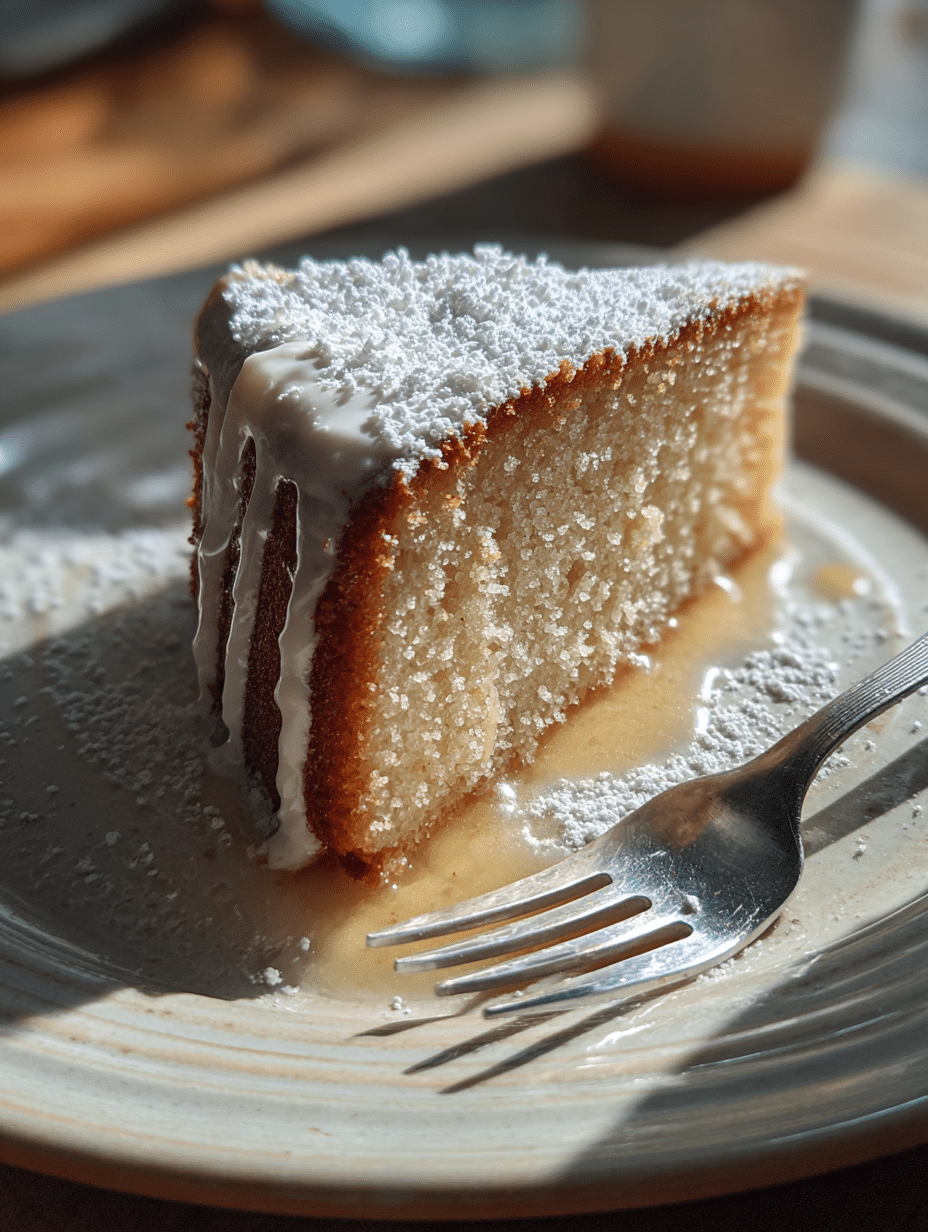
Sugar Free Vanilla Cake
Equipment
- Mixing bowls
- electric mixer
- Measuring cups and spoons
- two 8-inch cake pans
- Parchment paper
- Cooling rack
- Oven
Ingredients
- 2 1/2 cups all-purpose flour
- 1 cup erythritol-monk fruit sweetener blend
- 3 large eggs
- 1/2 cup unsalted butter, softened
- 3/4 cup Greek yogurt
- 1/2 cup unsweetened almond milk
- 2 tsp vanilla extract
- 1/4 tsp almond extract (optional)
- 2 tsp baking powder
- 1/2 tsp baking soda
- 1/4 tsp salt
- 1 lemon zest (optional)
Instructions
- Preheat oven to 350°F (175°C). Grease and line two 8-inch cake pans with parchment paper.
- In a medium bowl, whisk together flour, baking powder, baking soda, and salt.
- In a large bowl, beat butter and sweetener for 3-4 minutes until light and fluffy.
- Add eggs one at a time, mixing well after each addition.
- Mix in vanilla extract, almond extract, and lemon zest.
- Alternate adding dry ingredients with Greek yogurt and almond milk, beginning and ending with dry ingredients.
- Divide batter evenly between pans and smooth the tops.
- Bake for 25-30 minutes or until a toothpick inserted in the center comes out clean.
- Cool in pans for 10 minutes, then transfer to a wire rack to cool completely.
Notes
Nutrition
Essential Ingredients for a Perfect Sugar-Free Cake
A perfect sugar-free cake requires high-quality alternative sweeteners (erythritol, monk fruit, or allulose), low-carb flours or regular flour depending on dietary needs, extra moisture agents like yogurt or applesauce, and natural flavor enhancers such as vanilla and citrus zest.
The sugar free cake recipe I’m sharing today has been refined through years of experimenting in my kitchen. The ingredients list might look similar to traditional cake recipes, but the proportions and specific choices make all the difference in achieving that perfect crumb and moisture level without sugar.
Must-Have Ingredients and Their Roles
Every ingredient in a sugar-free cake plays a crucial role in the final result. Here’s what I’ve learned about creating the perfect balance:
1. Flour: Depending on your dietary needs, you can use all-purpose flour, whole wheat pastry flour, or almond flour. Each creates a different texture, with almond flour producing a more tender crumb that pairs wonderfully with sugar-free chocolate chip cookies for a fun dessert combo.
2. Sweeteners: I recommend a blend of granulated erythritol and monk fruit sweetener for the best flavor profile without aftertaste.
3. Eggs: These provide structure, leavening, moisture, and richness. I always use room-temperature eggs for better incorporation.
4. Fat: Butter, oil, or a combination creates tenderness and carries flavor. I prefer unsalted butter for most of my cake recipes.
5. Moisture agents: Greek yogurt, sour cream, or unsweetened applesauce adds moisture that sugar typically provides.
6. Leavening agents: Baking powder and/or baking soda help the cake rise properly.
7. Flavor enhancers: Vanilla extract, almond extract, citrus zest, or spices add depth without adding sugar.
Secret Ingredients for Moisture and Texture
The biggest challenge in sugar-free baking is achieving that moist, tender crumb that sugar naturally creates. Through countless tests (and some memorable failures!), I’ve discovered these secret ingredients that make all the difference:
– Greek yogurt: Adds tanginess and incredible moisture without excess liquid.
– Unsweetened applesauce: Works as a partial fat replacement while adding moisture.
– Xanthan gum: Just ¼ teaspoon helps bind ingredients in the absence of sugar, especially important if using gluten-free flours.
– Extra egg yolk: Adds richness and helps create that velvety texture we all crave.
– Almond extract: A tiny amount (¼ teaspoon) enhances sweetness perception even when using less sweetener.
One Sunday afternoon, while preparing for my niece’s birthday, I discovered that adding just 2 tablespoons of sugar-free brew drinks like coffee to chocolate cake batters dramatically enhances the chocolate flavor without adding sweetness—a game-changing trick!
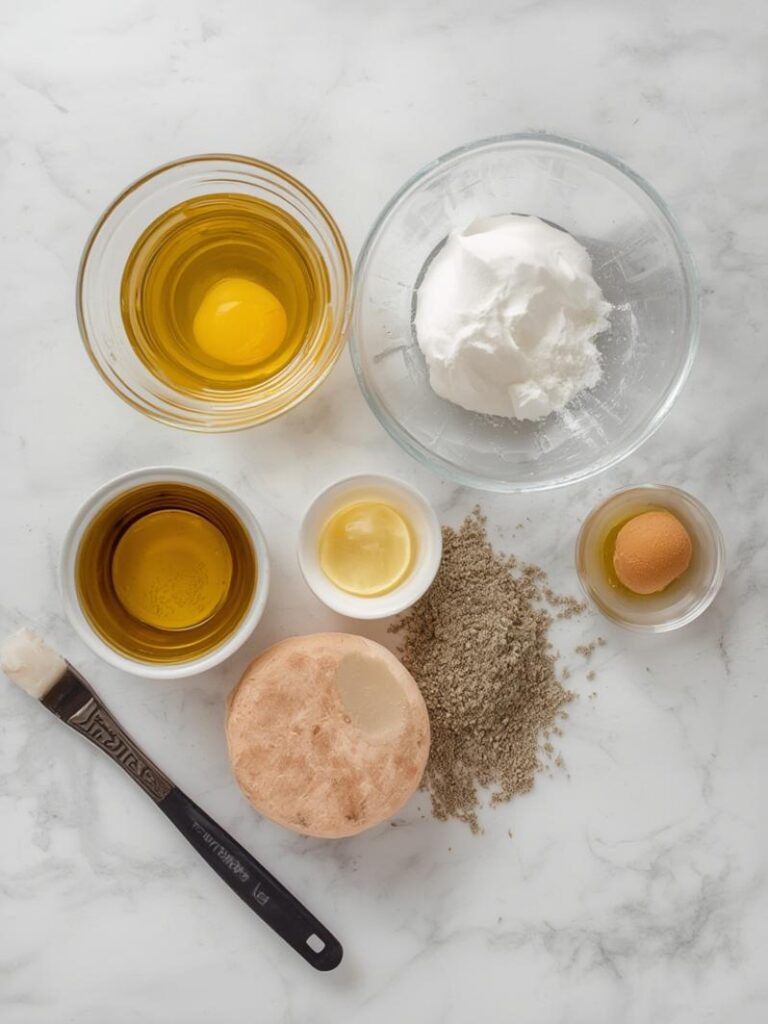
Step-by-Step Sugar-Free Vanilla Cake Recipe
This sugar-free vanilla cake recipe combines 2½ cups flour, 1 cup erythritol, 3 eggs, ½ cup butter, ¾ cup Greek yogurt, 2 teaspoons vanilla, and leavening agents, baked at 350°F for 25-30 minutes for a moist, tender cake with 3g net carbs per slice.
Let’s dive into my go-to sugar free cake recipe that I’ve perfected over the years. This vanilla cake serves as a wonderful base for countless variations and has been the hit of many family gatherings, proving that sugar-free doesn’t mean flavor-free.
Ingredients and Equipment List
For the Cake:
– 2½ cups all-purpose flour (or 3 cups almond flour for keto version)
– 1 cup granulated erythritol-monk fruit blend
– 3 large eggs, room temperature
– ½ cup unsalted butter, softened
– ¾ cup full-fat Greek yogurt
– ½ cup unsweetened almond milk
– 2 teaspoons pure vanilla extract
– ¼ teaspoon almond extract (optional)
– 2 teaspoons baking powder
– ½ teaspoon baking soda
– ¼ teaspoon salt
– Zest of one lemon (optional but recommended)
For Sugar-Free Vanilla Frosting:
– 8 oz cream cheese, softened
– ½ cup unsalted butter, softened
– 1 cup powdered erythritol
– 1 teaspoon vanilla extract
– 2-3 tablespoons heavy cream
Equipment:
– Two 8-inch round cake pans
– Parchment paper
– Electric mixer (stand or hand)
– Mixing bowls
– Measuring cups and spoons
– Cooling rack
Detailed Baking Instructions and Tips
1. Prepare your workspace: I always start by preheating my oven to 350°F (175°C) and preparing my cake pans. Line the bottoms with parchment paper and grease the sides with butter or cooking spray.
2. Mix dry ingredients: In a medium bowl, whisk together the flour, baking powder, baking soda, and salt. This ensures even distribution of leavening agents—something I learned after my early cakes had uneven rising.
3. Cream butter and sweetener: In a large bowl, beat the softened butter and erythritol-monk fruit blend for 3-4 minutes until light and fluffy. Don’t rush this step! It creates the air pockets that give your cake structure.
4. Add eggs: Add eggs one at a time, beating well after each addition. I learned from my grandmother that this prevents the batter from curdling.
5. Incorporate flavorings: Beat in the vanilla extract, almond extract if using, and lemon zest. These flavor enhancers are even more important in sugar-free baking.
6. Alternate wet and dry: Add the flour mixture in three parts, alternating with the yogurt and almond milk, beginning and ending with flour. This prevents overmixing which can make your cake tough.
7. Bake: Divide the batter between the prepared pans and smooth the tops. Bake for 25-30 minutes or until a toothpick inserted in the center comes out clean.
8. Cool properly: Allow the cakes to cool in the pans for 10 minutes before transferring to a wire rack to cool completely. Trying to frost a warm cake leads to disaster—trust me, I’ve made that mistake!
9. Make the frosting: Beat the cream cheese and butter until smooth. Add the powdered erythritol and vanilla, then beat until fluffy. Add heavy cream as needed for spreadable consistency.
10. Frost and decorate: Once completely cool, frost your cake and decorate as desired. This pairs wonderfully with sugar-free brownies for a mixed dessert platter that will impress any guest!
This sugar free cake recipe produces a moist, tender cake with approximately 3g net carbs per slice (using all-purpose flour) or less than 2g net carbs per slice (using almond flour for keto version).
Delicious Sugar-Free Cake Variations
Transform the basic sugar-free cake recipe into chocolate cake by adding ½ cup cocoa powder, carrot cake with 1½ cups shredded carrots, lemon cake using 3 tablespoons lemon juice, or red velvet with 1 tablespoon cocoa and natural red food coloring for versatile sugar-free dessert options.
Once you’ve mastered the basic sugar free cake recipe, it’s time to get creative! These variations have become staples in my recipe collection, and each offers a unique flavor profile while remaining sugar-free.
Chocolate, Carrot, and Lemon Cake Adaptations
Sugar-Free Chocolate Cake:
To transform the basic vanilla recipe into a rich chocolate cake, simply add ½ cup unsweetened cocoa powder to the dry ingredients and increase the almond milk to ¾ cup for proper moisture. I also love adding 1 teaspoon of espresso powder—it doesn’t make the cake taste like coffee but significantly enhances the chocolate flavor. This pairs beautifully with a side of sugar-free jello desserts for a fun texture contrast.
Sugar-Free Carrot Cake:
For a delicious carrot cake, add 1½ cups finely shredded carrots, 1 teaspoon cinnamon, ½ teaspoon nutmeg, and ½ cup chopped walnuts to the basic recipe. Reduce the Greek yogurt to ½ cup to account for the moisture from the carrots. Top with sugar-free cream cheese frosting and a sprinkle of cinnamon for a beautiful presentation.
Sugar-Free Lemon Cake:
This bright, zesty version has become my spring favorite. Add the zest of 2 lemons and 3 tablespoons fresh lemon juice to the batter. Reduce the almond milk accordingly to maintain the proper liquid ratio. For extra lemon flavor, poke holes in the baked cake while warm and drizzle with a mixture of 2 tablespoons lemon juice and 2 tablespoons powdered erythritol.
Seasonal and Special Occasion Sugar-Free Cakes
Sugar-Free Red Velvet Cake:
This is always a hit at Valentine’s Day. Add 1 tablespoon cocoa powder, 1 tablespoon apple cider vinegar, and natural red food coloring or 2 tablespoons beetroot powder to achieve that classic red velvet look without artificial colors.
Holiday Spice Cake:
Perfect for fall and winter gatherings, add 1 teaspoon cinnamon, ½ teaspoon ginger, ¼ teaspoon nutmeg, and ⅛ teaspoon cloves to the basic recipe. You can also fold in ½ cup chopped dried cranberries that have been soaked in hot water and drained (to remove added sugars).
Birthday Funfetti Cake:
For a celebration cake that kids and adults love, fold in 3 tablespoons of sugar-free sprinkles (available online) into the batter just before baking. I made this for my nephew’s birthday, and he couldn’t tell it was sugar-free!
When I’m hosting dinner parties, I often serve a slice of sugar free cake alongside sugar-free cheesecake for guests to sample different textures and flavors. The combination always receives rave reviews, even from friends who typically prefer traditional desserts.
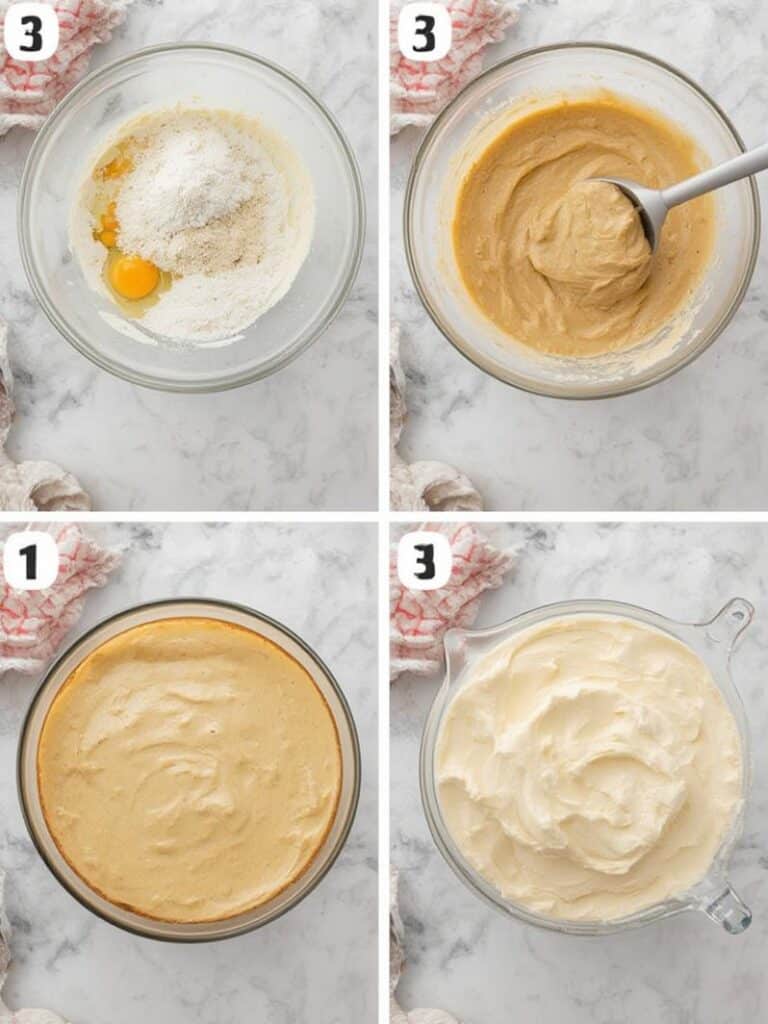
Frosting and Decorating Sugar-Free Cakes
Create delicious sugar-free frostings using powdered erythritol or monk fruit sweetener with butter and cream cheese for buttercream, or heavy cream for whipped frosting, while decorating with fresh berries, chopped nuts, unsweetened coconut flakes, and edible flowers for beautiful, naturally sugar-free embellishments.
The perfect sugar free cake recipe deserves an equally delicious frosting. I’ve spent years perfecting sugar-free frostings that hold their shape, pipe beautifully, and most importantly, taste amazing. Here’s what I’ve learned about creating show-stopping sugar-free cakes.
Sugar-Free Frosting Options
Classic Sugar-Free Buttercream:
The key to a smooth, pipeable buttercream is using powdered, not granulated, sweetener. I typically use:
– 1 cup unsalted butter, softened
– 2 cups powdered erythritol or monk fruit sweetener
– 1 teaspoon vanilla extract
– 2-3 tablespoons heavy cream
– Pinch of salt
Beat the butter until fluffy, then gradually add the powdered sweetener. Add vanilla, salt, and cream until you reach your desired consistency. For chocolate buttercream, add ¼ cup unsweetened cocoa powder.
Sugar-Free Cream Cheese Frosting:
My personal favorite that pairs beautifully with almost any cake flavor:
– 8 oz cream cheese, softened
– ½ cup unsalted butter, softened
– 1½ cups powdered erythritol
– 1 teaspoon vanilla extract
– Pinch of salt
Beat cream cheese and butter until smooth, add remaining ingredients and beat until light and fluffy. This frosting pairs wonderfully with sugar-free banana bread as well!
Whipped Cream Frosting:
For a lighter option:
– 2 cups heavy whipping cream
– ⅓ cup powdered erythritol
– 1 teaspoon vanilla extract
– 1 teaspoon gelatin, bloomed in 1 tablespoon water (for stability)
Whip the cream until soft peaks form, add sweetener and vanilla, then slowly drizzle in the dissolved gelatin while mixing. Continue beating until stiff peaks form.
Natural Decorating Ideas
Sugar-free cakes don’t need artificial decorations to look beautiful. Here are my favorite natural decorating options:
1. Fresh berries: Strawberries, blueberries, and raspberries add beautiful color and natural sweetness.
2. Chopped nuts: Toasted pecans, walnuts, or sliced almonds create beautiful texture and complement the flavors of many cakes.
3. Unsweetened coconut flakes: Toast them lightly for a golden color and nutty flavor.
4. Lemon or lime zest: Creates beautiful color flecks and adds a pop of flavor.
5. Edible flowers: Violets, pansies, or rose petals make any cake look professionally decorated (ensure they’re food-safe and pesticide-free).
6. Cacao nibs: For a chocolate touch without the sugar.
I remember decorating my sister’s anniversary cake with a cascade of fresh berries and mint leaves. Her guests couldn’t believe it was sugar-free, and the natural decorations created a sophisticated, beautiful presentation that outshined many traditional sugary cakes I’d made in the past.
When serving alongside sugar-free peanut butter cookies or sugar-free oatmeal cookies, I like to echo decorative elements across the desserts—perhaps using the same chopped nuts or citrus zest—to create a cohesive dessert table.
Storing and Serving Your Sugar-Free Cake
Store sugar-free cakes at room temperature for 1-2 days in an airtight container, refrigerate frosted cakes for up to 5 days, or freeze unfrosted layers for up to 3 months, wrapping them tightly in plastic wrap and aluminum foil to maintain moisture and flavor.
One of the questions I get most often about my sugar free cake recipe is how to store it properly. Sugar acts as a preservative in traditional cakes, so sugar-free versions require a bit more attention to storage details. Here’s what years of experience have taught me about keeping these delicious creations fresh.
How to Store Sugar-Free Cakes
Room Temperature Storage:
Unfrosted sugar-free cakes can be stored at room temperature for 1-2 days if well-covered. I use a cake keeper or place it under a dome on a cake stand. However, because sugar-free cakes lack the preservation properties of sugar, they typically don’t stay fresh as long at room temperature as traditional cakes.
Refrigerator Storage:
Frosted sugar-free cakes should be refrigerated, especially if using cream cheese frosting. Here’s my method:
1. Place the cake in the refrigerator uncovered for 15-20 minutes to set the frosting.
2. Once the frosting is firm, cover loosely with plastic wrap or place in a cake keeper.
3. Refrigerated cakes will stay fresh for up to 5 days.
Freezer Storage:
Sugar-free cakes freeze beautifully if properly wrapped:
1. For unfrosted cake layers, allow them to cool completely.
2. Wrap each layer tightly in plastic wrap, then in aluminum foil.
3. Place in a freezer bag and remove as much air as possible.
4. Label with the date and freeze for up to 3 months.
To thaw, remove from the freezer the night before and let thaw in the refrigerator overnight while still wrapped. Bring to room temperature before unwrapping to prevent condensation from making the cake soggy.
Best Practices for Serving Sugar-Free Desserts
When serving sugar free cake recipes to guests, I’ve learned a few tricks to ensure the best experience:
1. Temperature matters: Remove refrigerated cake from the fridge 30-60 minutes before serving. The flavors and texture are significantly better at room temperature.
2. Portion appropriately: Use a sharp, thin knife dipped in hot water and wiped clean between cuts for clean slices.
3. Pairing suggestions: Serve with unsweetened whipped cream, a few fresh berries, or a small scoop of sugar-free ice cream to elevate the presentation.
4. Honesty is best: I always let my guests know the cake is sugar-free, but I present it confidently as a delicious dessert, not as a “diet” option.
5. Consider dietary needs: If serving to diabetics, be specific about the sweeteners used, as different people have different sensitivities.
My neighbor Sarah, who follows a strict keto diet, shared this testimonial after trying my sugar-free chocolate cake: “I haven’t had cake in two years because of my dietary restrictions. This was so delicious and moist that I actually cried a little. Thank you for bringing cake back into my life!” Her reaction perfectly captures why I love sharing my sugar-free baking recipes.
For special occasions, I often create a dessert table featuring this sugar free cake recipe alongside sugar-free cookies for a variety of textures and flavors that everyone can enjoy, regardless of their dietary needs.
Conclusion: Enjoying Sweet Treats Without the Sugar
The journey to perfecting a delicious sugar free cake recipe has been one of my most rewarding culinary adventures. What started as a necessity for my diabetic aunt has become a passion that allows me to share joy through food without the negative health impacts of refined sugar.
Remember that sugar-free baking is both a science and an art. Don’t be discouraged if your first attempt isn’t perfect—each kitchen, oven, and ingredient can behave differently. My first sugar-free chocolate cake was dry as dust, but now it’s requested at every family gathering!
The most beautiful thing about these recipes is their inclusivity. When I serve these cakes at gatherings in my Asheville home, everyone enjoys them—those with dietary restrictions don’t feel singled out, and those without restrictions don’t feel they’re missing anything.
I encourage you to experiment with the basic recipe, adding your own creative touches. Perhaps add a layer of sugar-free jam between cake layers, try different extract combinations, or create a beautiful naked cake decorated with edible flowers from your garden.
Whether you’re baking for health reasons or simply looking to reduce sugar in your diet, I hope this recipe brings as much joy to your kitchen as it has to mine. Happy baking from my WePostRecipes kitchen to yours!