Disclaimer: This content is for educational purposes only, not medical advice. Always consult with a doctor before making significant changes to your diet, especially if you have pre-existing health conditions.
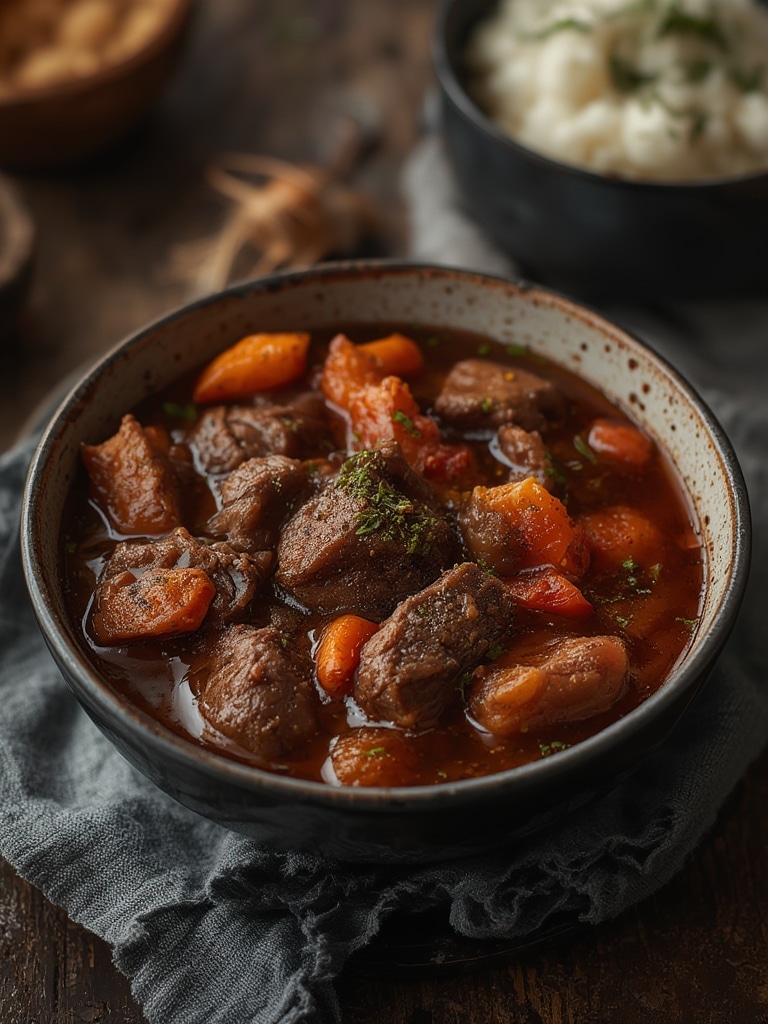
Growing up in Asheville, smoked beef stew was our family’s go-to comfort food when the mountain air turned crisp. I remember my grandmother teaching me how to smoke the beef chunks before adding them to the stew pot, creating layers of flavor that still transport me back to those cozy evenings. Today, I’m sharing my perfected smoked beef stew recipe that combines traditional techniques with approachable methods for home cooks of any skill level.
IN THIS ARTICLE
Key Takeaways: What You Need To Know
– Smoking beef chunks before stewing adds incredible depth of flavor
– You can use either a dedicated smoker or oven-smoking method
– Choose tougher cuts like chuck roast for the best texture and value
– The stew can be made ahead and tastes even better the next day
– You’ll need about 3 hours total (including 1 hour of smoking time)
What Makes Smoked Beef Stew So Special?
Smoked beef stew transforms the traditional beef stew by adding a layer of smoky complexity that elevates this classic comfort food to extraordinary heights. The smoking process creates a unique flavor profile that simply can’t be replicated with liquid smoke or other shortcuts.
When I first started experimenting with smoked beef stew, I was amazed at how the smoke infused through the meat, creating pockets of flavor that burst with each bite. The smoking process also helps create a beautiful exterior crust on the beef that holds up beautifully during the stewing process.
Why Does Smoking The Beef Make Such A Difference?
The smoking process for beef stew meat creates what food scientists call the Maillard reaction—that beautiful browning that develops deep, rich flavors. Additionally, the smoke particles adhere to the surface of the meat, infusing it with complex flavor compounds from the wood you choose.
I discovered through countless test batches that smoking the beef at a relatively low temperature (around 225°F) for about an hour provides the perfect balance. You get substantial smoke flavor without overcooking the beef, which will continue to tenderize during the stewing process.
Which Wood Works Best For Smoking Beef Stew Meat?
Choosing the right smoking wood dramatically impacts your smoked beef stew’s flavor profile. Hardwoods like oak, hickory, and mesquite provide strong, distinctive flavors that stand up well to beef’s robustness.
My personal preference for smoked beef stew is a combination of oak for its reliable baseline flavor and a small amount of cherry wood for subtle sweetness. This pairing creates a balanced smoke profile that complements rather than overwhelms the other stew ingredients. When I served this version at our last family gathering, even my smoke-skeptical sister asked for seconds!
Ingredients You’ll Need For Perfect Smoked Beef Stew
Gathering quality ingredients is the first step toward creating an exceptional smoked beef stew. The combination of smoked beef with fresh vegetables and rich broth creates a harmonious blend that’s both satisfying and nourishing.
The foundation of great smoked beef stew begins with choosing the right cut of beef. For the smoking process to truly shine, you need meat with sufficient marbling that can withstand both smoking and the subsequent stewing without becoming tough.
What’s The Best Cut Of Beef For Smoked Beef Stew?
For smoked beef stew, choose cuts with good marbling and connective tissue that break down during the long cooking process. Chuck roast, bottom round, and beef shoulder all work exceptionally well in this recipe.
I’ve tested multiple cuts over the years, and chuck roast consistently provides the best balance of flavor, texture, and value. When cut into 1½-inch cubes, it absorbs smoke beautifully and later becomes fork-tender in the stew. For the best results, look for well-marbled pieces with a deep red color and avoid excessively lean cuts that might dry out during smoking.
Complete Ingredient List For Smoked Beef Stew
Gather these ingredients before starting your smoked beef stew for a smooth cooking experience. All measurements are designed to create a balanced flavor profile while highlighting the smoked beef.
| Ingredients | Amount |
|---|---|
| Beef chuck roast, cut into 1½-inch cubes | 2 pounds |
| Yellow onions, diced | 2 medium |
| Carrots, cut into 1-inch chunks | 4 large |
| Celery stalks, cut into 1-inch pieces | 3 stalks |
| Yukon gold potatoes, quartered | 1 pound |
| Garlic, minced | 4 cloves |
| Beef broth | 4 cups |
| Tomato paste | 2 tablespoons |
| Worcestershire sauce | 1 tablespoon |
| Bay leaves | 2 |
| Fresh thyme | 4 sprigs |
| Salt and pepper | To taste |
Smoked Beef Stew
Equipment
- smoker or grill
- Dutch oven
- knife and cutting board
- tongs
- Mixing bowls
Ingredients
- 2 lbs beef chuck roast, cut into cubes
- 2 yellow onions, diced
- 4 carrots, cut into chunks
- 3 celery stalks, chopped
- 1 lb Yukon gold potatoes, quartered
- 4 cloves garlic, minced
- 4 cups beef broth
- 2 tbsp tomato paste
- 1 tbsp Worcestershire sauce
- 2 bay leaves
- 4 sprigs fresh thyme
- salt and pepper to taste
Instructions
- Season beef cubes with salt and pepper and let rest at room temperature for 30 minutes.
- Preheat smoker to 225°F and smoke beef for about 1 hour until lightly browned.
- Heat oil in a Dutch oven and brown smoked beef in batches, then set aside.
- Sauté onions, carrots, and celery in the same pot until softened.
- Add garlic and cook briefly, then stir in tomato paste.
- Deglaze with some broth, scraping up browned bits.
- Return beef to pot and add remaining broth, Worcestershire sauce, bay leaves, and thyme.
- Simmer covered for 1.5 hours until beef begins to tenderize.
- Add potatoes and continue cooking 30–45 minutes until everything is tender.
- Adjust seasoning and serve hot.
Notes
Nutrition
Step-By-Step Smoked Beef Stew Instructions
Creating smoked beef stew involves two main cooking processes: smoking the beef first, then combining it with other ingredients to create a rich, flavorful stew. This methodical approach ensures maximum flavor development at each stage.
The key to excellent smoked beef stew lies in patience and attention to detail. By taking your time with each step, you’ll create layers of flavor that make this dish truly special.
How To Smoke The Beef For Your Stew
Smoking beef for stew requires maintaining a consistent low temperature while ensuring the meat absorbs plenty of smoke flavor without drying out. This process creates the foundation of flavor for your entire dish.
1. Season the beef chunks with salt and pepper, then let sit at room temperature for 30 minutes
2. Preheat your smoker to 225°F using your chosen wood (I recommend oak with a bit of cherry)
3. Arrange beef chunks on the smoker rack with space between each piece for proper smoke circulation
4. Smoke the beef for approximately 1 hour until the surface develops a deep reddish-brown color
5. Remove the beef from the smoker once it reaches an internal temperature of about 135°F
When I first started smoking beef for stew, I made the mistake of smoking it completely through. Now I know the beef will continue cooking in the stew, so partial smoking creates the perfect balance.
Combining The Smoked Beef And Other Ingredients
After smoking the beef, it’s time to build your smoked beef stew by layering ingredients and allowing them to simmer together until perfectly tender. The smoked beef will infuse the entire stew with its distinctive flavor.
1. Heat 2 tablespoons of oil in a large Dutch oven over medium-high heat
2. Brown the smoked beef chunks in batches, about 2 minutes per side (don’t overcrowd)
3. Remove beef and set aside on a plate
4. Sauté onions, celery, and carrots in the same pot for 5 minutes until softened
5. Add garlic and cook for another 30 seconds until fragrant
6. Stir in tomato paste and cook for 1 minute
7. Deglaze the pot with 1/2 cup of beef broth, scraping up browned bits
8. Return beef to the pot and add remaining broth, Worcestershire sauce, bay leaves, and thyme
9. Bring to a simmer, then reduce heat to low and cover
10. Cook for 1.5 hours, then add potatoes
11. Continue cooking for 30-45 minutes until beef and vegetables are tender
12. Adjust seasoning with salt and pepper before serving
Serving And Pairing Your Smoked Beef Stew
Smoked beef stew shines brightest when served with complementary sides and beverages that enhance its rich, smoky flavor profile. The right presentation and pairings can transform this hearty dish into a memorable dining experience.
I’ve found that smoked beef stew actually tastes even better the day after cooking, as the flavors have time to meld and develop. If serving leftovers, gently reheat on the stovetop with a splash of additional broth if needed.
What Are The Best Side Dishes For Smoked Beef Stew?
Pair your smoked beef stew with sides that complement its rich flavors while providing textural contrast. The best accompaniments are simple but substantial enough to stand up to the stew’s bold profile.
– Crusty sourdough bread for sopping up the flavorful broth
– Buttered egg noodles that provide a neutral base
– Simple green salad with vinaigrette to cut through the richness
– Roasted garlic mashed potatoes for an extra-hearty meal
– Steamed green beans with a touch of lemon zest
When I serve smoked beef stew for company, I like to put out small bowls of additional toppings like fresh herbs, crumbled bacon, or grated sharp cheddar, allowing guests to customize their bowls.
Beverage Pairings That Complement Smoked Beef Stew
Choose beverages that stand up to the bold, smoky flavors of smoked beef stew. The right drink can highlight different aspects of this complex dish and enhance your overall dining experience.
For wine lovers, a medium to full-bodied red wine like Syrah or Malbec pairs beautifully with smoked beef stew. If beer is more your style, try a brown ale or porter with caramel notes that complement the smokiness. For non-alcoholic options, spiced apple cider or strong black tea work surprisingly well.
Tips For Making The Best Smoked Beef Stew
Making truly exceptional smoked beef stew comes down to understanding a few key techniques and being willing to make adjustments based on what you have available. These practical tips will help ensure success every time.
From my experience testing dozens of variations, I’ve gathered these essential pointers that make all the difference between a good smoked beef stew and an unforgettable one.
How Can I Make Smoked Beef Stew Without A Smoker?
You can create delicious smoked beef stew without a dedicated smoker by using alternative methods that impart smoky flavor to your beef before stewing. These techniques are accessible for any home cook with basic equipment.
Try the oven-smoking method: place soaked wood chips in a foil packet with holes poked in the top, put it directly on an oven burner until smoking, then place it in a low oven (225°F) alongside your seasoned beef for about an hour. Alternatively, use a stovetop smoker box or even a well-ventilated grill with indirect heat and wood chips.
Real Feedback From Home Cooks
My readers have shared their experiences making this smoked beef stew recipe, offering valuable insights and creative adaptations that might inspire your cooking.
– Sarah from Michigan: “I used your smoked beef stew recipe for our hunting cabin dinner and everyone raved about it! I added some smoked paprika to boost the flavor since I only had time to smoke the beef for 30 minutes.”
– Marcus from Portland: “As someone new to smoking meats, I appreciated the detailed instructions. I used my pellet grill and the flavor was incredible. Next time I’ll try adding some root vegetables like parsnips.”
– Lakshmi from Atlanta: “I adapted this for my Instant Pot by pressure cooking after smoking the beef. It was ready in half the time and my family declared it the best stew they’ve ever had!”
These testimonials reinforce what I’ve found in my own kitchen: smoked beef stew is incredibly versatile and forgiving, making it perfect for cooks at any skill level. The smoking technique adds that special touch that transforms an everyday stew into something truly memorable.