Disclaimer: This content is for educational purposes only, not medical advice. Always consult with a doctor before making significant changes to your diet, especially if you have pre-existing health conditions.
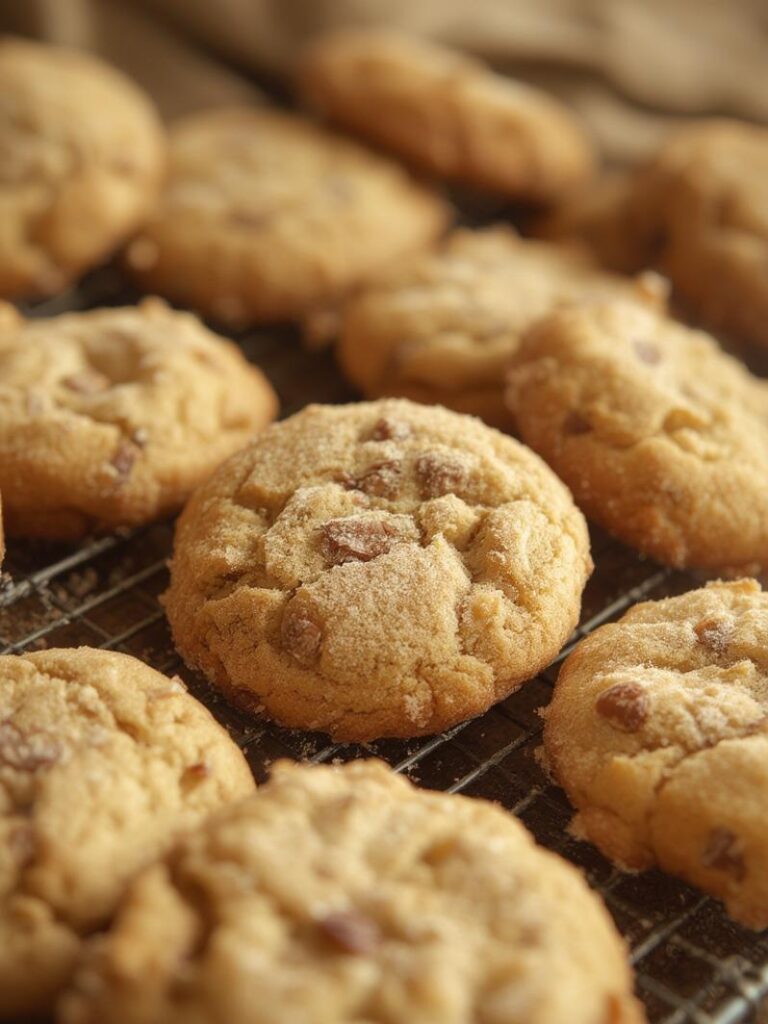
My Journey with Sugar Free Baking
Growing up in the mountains of Asheville, my grandmother always said, “Cookies solve everything.” But when several family members developed dietary restrictions, I had to reimagine those beloved cookie recipes without sugar. Creating sugar free cookies became my personal mission. Through years of kitchen experiments in my cozy North Carolina home, I’ve perfected techniques that deliver sweetness without refined sugar. These recipes maintain that comforting cookie magic while accommodating health-conscious needs. Today, I’m sharing my most successful sugar-free cookie creations that even the pickiest eaters in my family circle request by name.
IN THIS ARTICLE
Key Takeaways: What You Need To Know
– Natural sweeteners like erythritol, monk fruit, and stevia work wonderfully in sugar free cookie recipes
– Proper ingredient ratios are crucial for achieving the right texture in sugar free baking
– Many sugar free cookies actually have a better nutritional profile than traditional versions
– Simple techniques like chilling dough and adjusting baking time dramatically improve results
– Most sugar free cookie recipes can be made with basic kitchen equipment you already own
Why Sugar Free Cookies Are Worth Mastering
Sugar free cookies provide delicious alternatives for diabetics, those watching carbohydrate intake, and anyone reducing sugar consumption, while still delivering satisfying sweet treats with fewer calories and better blood sugar control.
The first time I attempted sugar free cookies, I’ll admit, they were terrible—flat, bitter discs that nobody would touch. That disaster sent me on a quest to understand the science behind sugar-free baking. What I discovered changed everything about my approach to healthier desserts.
Who Benefits Most From Sugar Free Cookie Recipes?
Sugar free cookies aren’t just a trend—they’re essential for many people. My uncle, diagnosed with diabetes five years ago, inspired many of my earliest experiments. According to the [Centers for Disease Control and Prevention](https://www.cdc.gov/diabetes/basics/diabetes.html), over 37 million Americans have diabetes, with millions more having prediabetes. For these individuals, traditional cookie recipes can be problematic.
Beyond diabetes management, sugar free cookies help:
– People following ketogenic or low-carb diets
– Parents wanting to reduce children’s sugar consumption
– Those managing conditions like PCOS that benefit from lower sugar intake
– Anyone looking to reduce empty calories while still enjoying treats
The Surprising Health Benefits of Going Sugar-Free
When I replaced sugar in my cookie recipes, I noticed something remarkable—not only were they safer for family members with blood sugar concerns, but they often contained more nutrition. By incorporating ingredients like almond flour instead of white flour, my sugar free cookies pack more protein, healthy fats, and fiber.
Research from the Harvard T.H. Chan School of Public Health shows that reducing added sugar consumption may help:
– Maintain healthier weight
– Reduce inflammation
– Lower risk of certain chronic diseases
– Improve dental health
– Stabilize energy levels
My neighbor Sarah, who tried my sugar free oatmeal cookies, commented, “I can actually eat these after dinner and not feel that awful sugar crash an hour later!”
The Best Sugar Substitutes For Perfect Cookies
The most effective sweeteners for sugar free cookies include erythritol, monk fruit, allulose, stevia, and xylitol, each providing different benefits in terms of taste profile, baking performance, and glycemic impact.
The secret to delicious sugar free cookies lies in selecting the right sweetener. Through countless test batches in my Asheville kitchen, I’ve learned that each alternative sweetener behaves differently in recipes. Understanding these differences transforms your results from disappointing to delightful.
How Do Different Sweeteners Affect Cookie Texture?
Sugar doesn’t just sweeten cookies—it provides structure, moisture, and browning. When we remove it, we need alternatives that can replicate these functions. After dozens of batches, I’ve compiled this comparison of how each sweetener performs:
| Sweetener | Texture Effect | Browning | Moisture Level |
|---|---|---|---|
| Erythritol | Crisp exterior, can be cooling sensation | Moderate | Drier than sugar |
| Monk Fruit (pure) | Needs bulking agents | Minimal | Requires moisture compensation |
| Allulose | Most similar to sugar | Excellent | Maintains moisture well |
| Stevia | Needs bulking agents | Poor | Requires moisture compensation |
| Xylitol | Similar to sugar | Good | Maintains moisture well |
My breakthrough came when I started combining sweeteners. For my famous sugar free peanut butter cookies, I use a blend of erythritol and monk fruit that delivers the perfect balance of sweetness without the cooling effect erythritol can have when used alone.
Which Sweeteners Have The Best Taste Profile?
Taste matters tremendously in cookie recipes. After testing sweeteners with my family’s brutally honest feedback, I’ve found:
– Allulose: The closest taste to real sugar with no aftertaste. Works beautifully in sugar free cookies that need a clean, traditional flavor.
– Monk Fruit + Erythritol Blends: These balanced blends avoid the cooling sensation of pure erythritol while minimizing the occasional licorice notes of monk fruit.
– Stevia: Works well when combined with other sweeteners but can have a bitter aftertaste if used alone. I typically use it in cookies with stronger flavors like sugar free brownies that can mask any aftertaste.
– Xylitol: Tastes remarkably like sugar but comes with two caveats—it affects blood sugar more than other alternatives (though still less than sugar) and is toxic to pets. As a dog owner, I’m extremely cautious when using it.
Lisa, a regular reader who tried my sugar-free double chocolate cookies, wrote: “I’ve tried countless sugar-free desserts that taste ‘diet,’ but these cookies taste so normal that my kids didn’t even question them!”
Essential Ingredients That Make Sugar Free Cookies Delicious
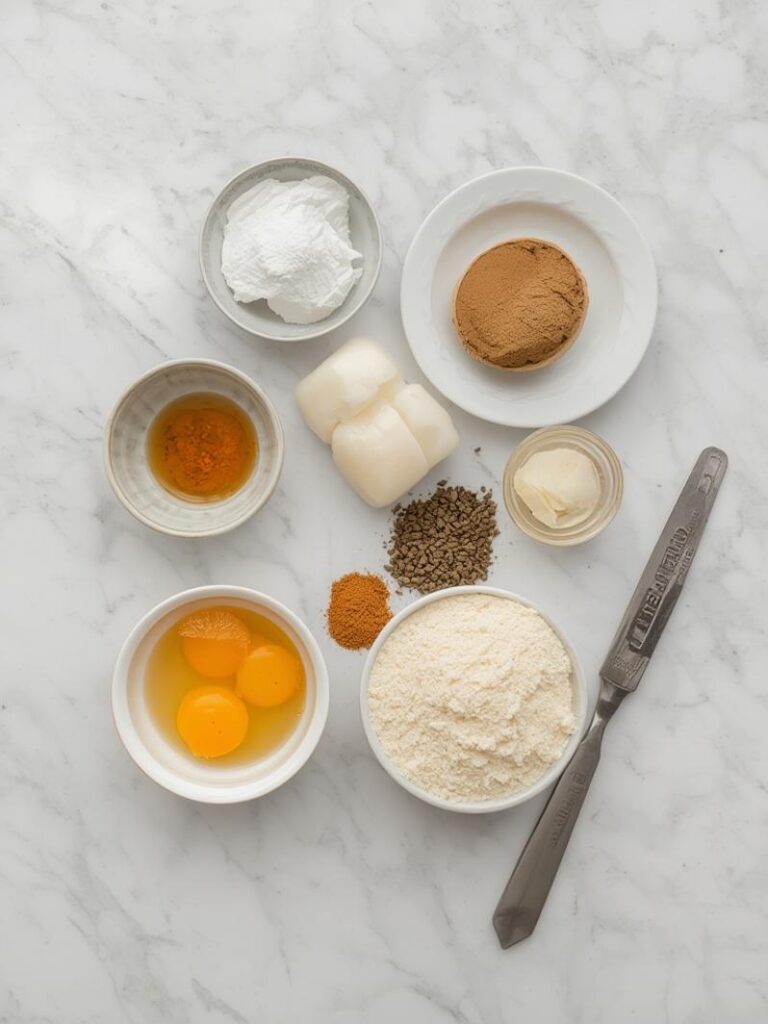
Successful sugar free cookies rely on key ingredients like almond flour, coconut flour, quality fats like butter or coconut oil, eggs as binders, and flavor enhancers like vanilla extract and salt to compensate for missing sugar.
Beyond sweeteners, the supporting ingredients in sugar free cookies play crucial roles. Sugar provides structure in traditional cookies, so we need to carefully select other ingredients to create that perfect cookie texture without it.
What Flours Work Best In Sugar Free Baking?
The flour you choose dramatically impacts both texture and nutritional profile. Growing up in North Carolina, I was raised on traditional all-purpose flour recipes, but my sugar-free baking journey led me to explore alternatives that actually improve the nutritional value of cookies.
My favorite flour options include:
– Almond Flour: My go-to choice for sugar free cookies. It adds moisture, healthy fats, and protein while keeping carbs low. The slight nuttiness enhances flavor, especially in chocolate chip cookies.
– Coconut Flour: Extremely absorbent, requiring additional moisture in recipes. I use it in smaller quantities (typically ¼ cup coconut flour can replace 1 cup traditional flour when additional liquid is added). Perfect for creating soft, cake-like cookies.
– Oat Flour: Made simply by blending rolled oats, this adds fiber and creates a chewy texture. I use it extensively in my sugar free oatmeal cookies for authentic texture and flavor.
– Lupin Flour: A newcomer to my baking arsenal, this low-carb, high-protein flour creates golden, crisp cookies when blended with other flours.
One of my most popular recipes uses a blend of almond and coconut flours for the perfect balance of structure and moisture.
How To Add Moisture Without Sugar?
Sugar contributes significantly to cookie moisture. Without it, cookies can become dry and crumbly. Through extensive testing in my kitchen, I’ve found these moisture-adding ingredients work wonderfully:
– Unsweetened Applesauce: Adds moisture and natural sweetness with minimal flavor impact. Works particularly well in spiced cookies like my sugar-free ginger snaps.
– Mashed Banana: Perfect for adding moisture and natural sweetness. The flavor works wonderfully in sugar free banana bread cookies.
– Greek Yogurt: Adds tanginess and moisture while boosting protein content. I use it in softer cookie varieties.
– Extra Egg Yolks: Adding an extra yolk creates richness and chewiness without additional sweetener.
– Melted Butter: Rather than creamed butter, using melted butter can create a moister result in sugar-free recipes.
My neighbor Tom, who’s been following a keto diet for health reasons, told me: “Your almond flour chocolate chip cookies were the first dessert I’ve had in six months that didn’t taste like a compromise. They’re better than the sugary ones I used to eat!”
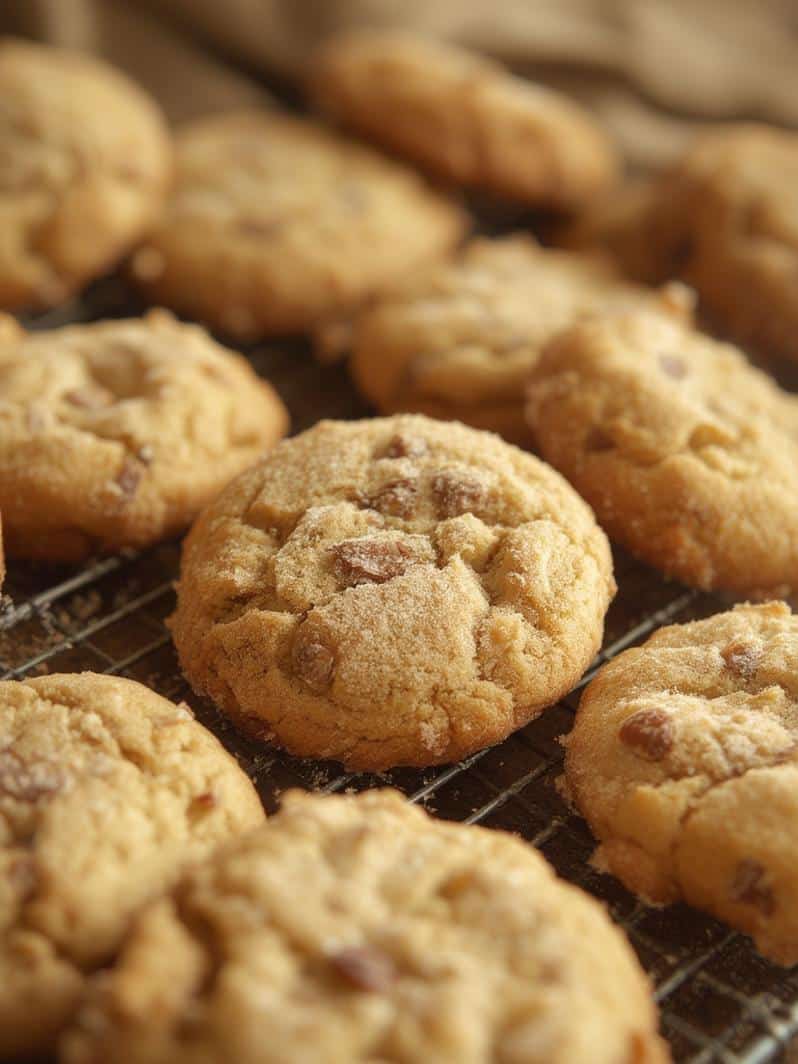
Sugar Free Cookies
Equipment
- Mixing bowl
- Baking sheet
- Parchment paper
- fork
Ingredients
- 1 cup natural peanut butter
- 1 large egg
- 1/3 cup granulated sugar-free sweetener (erythritol or monk fruit blend)
- 1 tsp vanilla extract
Instructions
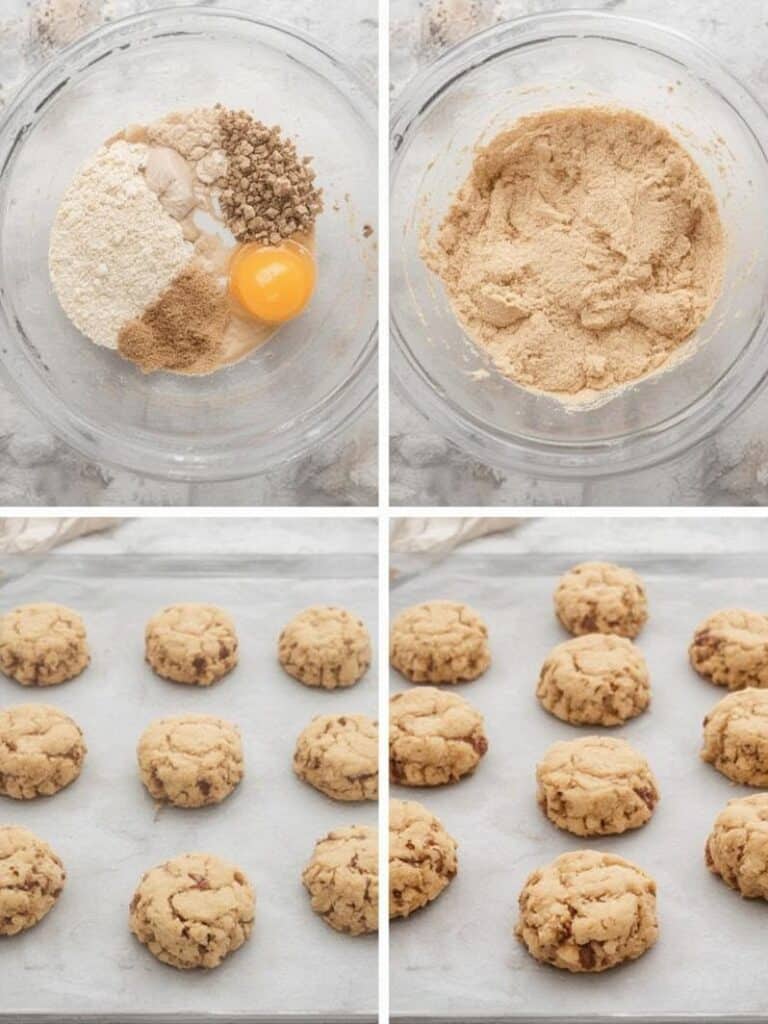
- Preheat your oven to 350°F (175°C) and line a baking sheet with parchment paper.
- In a mixing bowl, combine peanut butter, egg, sugar-free sweetener, and vanilla extract until smooth.
- Scoop dough into small balls and place them on the baking sheet. Flatten each cookie with a fork to create a crisscross pattern.
- Bake for 8–10 minutes or until edges are lightly golden.
- Remove from oven and allow cookies to cool completely before serving, as they will firm up while cooling.
Notes
Nutrition
Foolproof Sugar Free Cookie Recipes For Beginners
The most beginner-friendly sugar free cookie recipes include chocolate chip cookies made with allulose, peanut butter cookies that rely on natural nut butter sweetness, and simple shortbread cookies that require minimal ingredients and techniques.
When I first started developing sugar free cookies, I wanted recipes that wouldn’t intimidate beginners. After teaching countless friends and family members, I’ve identified the most foolproof recipes for those new to sugar-free baking.
What’s The Easiest Sugar Free Cookie To Master?
Without question, sugar-free peanut butter cookies win the ease contest. Natural peanut butter provides fat, structure, and subtle sweetness that makes these cookies forgiving even with minimal sweetener. My four-ingredient version has become a staple for beginners:
1. 1 cup natural peanut butter (just peanuts and salt)
2. 1 large egg
3. ⅓ cup granulated sweetener (I use an erythritol/monk fruit blend)
4. 1 teaspoon vanilla extract
The process couldn’t be simpler: mix ingredients, form into balls, press with a fork, and bake at 350°F for 8-10 minutes. These sugar free peanut butter cookies are nearly impossible to mess up and satisfy even traditional cookie lovers.
Almond flour shortbread cookies are another beginner-friendly option. With just almond flour, butter, sweetener, and vanilla, they provide that buttery cookie experience without complex techniques.
How Can You Customize Basic Sugar Free Cookies?
Starting with a master cookie recipe and then adding variations keeps sugar-free baking interesting. I teach my nephews to bake using this approach—master one base recipe, then get creative with add-ins.
For my almond flour sugar-free cookie base, try these variations:
– Add unsweetened cocoa powder and sugar-free chocolate chips for double chocolate cookies
– Mix in lemon zest and a touch of lemon extract for bright lemon cookies
– Incorporate cinnamon, nutmeg, and cloves for a sugar-free spice cookie
– Fold in chopped nuts and sugar-free chocolate chips for a loaded cookie experience
One reader, Melissa, shared: “I used your basic almond flour cookie recipe but added orange zest and a few cranberries. My husband couldn’t believe they were sugar-free—we’ve found our new Christmas cookie tradition!”
The beauty of these base recipes is their forgiveness. Even if measurements aren’t perfect, the cookies typically turn out delicious, making them ideal for beginners or baking with children.
Advanced Tips For Perfect Sugar Free Cookies Every Time
Creating professional-quality sugar free cookies requires precise techniques like properly creaming butter and sweetener, chilling dough before baking, adjusting oven temperatures down by 25°F, watching cookies closely while baking, and allowing proper cooling time for texture development.
After years of perfecting sugar free cookies in my Asheville kitchen, I’ve discovered that specific techniques elevate these treats from good to extraordinary. These advanced strategies make all the difference, especially when baking for skeptical friends and family.
Why Do Sugar Free Cookies Sometimes Fail?
Understanding common pitfalls helps avoid disappointment. The most frequent sugar-free cookie failures I’ve encountered (and solved) include:
– Excessive Spreading: Without sugar’s structure, cookies can spread too much. Solution: Add 1-2 tablespoons of additional flour or chill the dough for at least 30 minutes before baking.
– Too Dry/Crumbly: Sugar attracts moisture. Solution: Add 1-2 tablespoons of liquid (water, almond milk, or melted butter) to compensate.
– Strange Aftertaste: Some sweeteners have distinctive flavors. Solution: Blend different sweeteners and enhance with vanilla, salt, or spices to mask any aftertaste.
– Won’t Brown Properly: Sugar caramelizes for that golden color. Solution: Brush tops lightly with egg wash before baking or use a sweetener like allulose that browns better.
– Falls Apart After Baking: Missing binding properties. Solution: Add xanthan gum (¼ teaspoon per cup of flour) or an additional egg yolk.
One breakthrough came when I discovered that lowering the oven temperature by 25°F and extending baking time slightly allows sugar-free cookies to develop better texture without burning.
What’s The Secret To Chewy Sugar Free Cookies?
Creating that perfect chewy texture without sugar is tricky but absolutely achievable. My most requested sugar free chocolate chip cookies maintain chewiness through these specific techniques:
1. Use brown sugar alternatives: Sweeteners with molasses-like qualities (like Swerve Brown or a small amount of blackstrap molasses with erythritol) provide chewiness.
2. Add glycerin: A tiny amount (½ teaspoon per batch) acts similarly to honey or corn syrup in traditional recipes.
3. Incorporate egg yolks: An extra yolk adds richness and chewiness. In my chocolate chip cookie recipe, I use one whole egg plus one yolk.
4. Don’t overbake: Sugar-free cookies continue firming up after removal from the oven. Pull them when they appear slightly underdone.
5. Use allulose: Of all sweeteners, allulose creates the chewiest texture closest to traditional sugar cookies.
My friend James, a professional baker who was highly skeptical of sugar-free baking, tried my chewy chocolate chip cookie recipe and admitted, “I wouldn’t have known these were sugar-free if you hadn’t told me. The texture is spot-on.”
Storing And Freezing Your Sugar Free Creations
Direct Answer Summary: Sugar free cookies often have different storage requirements than traditional cookies, typically lasting 3-4 days at room temperature in airtight containers, up to 2 weeks in the refrigerator, and 3 months when properly frozen with parchment paper between layers.
One significant difference with sugar free cookies is their storage requirements. Without sugar’s preservative qualities, these treats need proper storage to maintain their taste and texture. Living in humid North Carolina taught me this lesson quickly!
How Long Do Sugar Free Cookies Stay Fresh?
Through careful testing (and some disappointing stale cookies), I’ve determined these storage timeframes for different types of sugar-free cookies:
| Cookie Type | Room Temperature | Refrigerated | Frozen |
|---|---|---|---|
| Almond Flour Cookies | 2-3 days | 7-10 days | 3 months |
| Coconut Flour Cookies | 1-2 days | 5-7 days | 2-3 months |
| Peanut Butter Cookies | 3-4 days | 10-14 days | 3 months |
| Chocolate-based Cookies | 4-5 days | 2 weeks | 3-4 months |
For room temperature storage, I use airtight containers with parchment paper between layers. In particularly humid weather (common in North Carolina summers), I add a piece of bread to the container—it absorbs excess moisture that would otherwise make the cookies soggy.
Can You Freeze Sugar Free Cookie Dough?
One game-changing discovery was learning to freeze sugar-free cookie dough. This allows me to have freshly baked cookies whenever cravings strike, without the full preparation process.
My tested freezing method for sugar-free cookie dough:
1. Prepare dough as directed in the recipe.
2. For drop cookies: Portion dough onto a parchment-lined baking sheet using a cookie scoop, then freeze until solid (about 2 hours).
3. Transfer frozen dough balls to a freezer-safe container or zip-top bag, adding parchment between layers if stacking.
4. Label with cookie type and date.
5. Freeze for up to 3 months.
6. When ready to bake, place frozen dough directly on baking sheets and add 2-3 minutes to the normal baking time.
For slice-and-bake cookies like sugar free cookies made with almond flour, I form the dough into logs, wrap in parchment, then in plastic wrap, and freeze. When needed, I slice cookies directly from the frozen log and bake.
My sister-in-law Rebecca adopted this method and shared, “Having sugar-free cookie dough in the freezer has been a lifesaver for my diet. I can bake just two cookies when I need a treat without feeling tempted by a whole batch.”
For those wanting to explore more sugar-free dessert options, don’t miss my collection of easy sugar-free desserts that go beyond cookies, including my reader-favorite sugar free cake recipe and creamy sugar free cheesecake recipe.
Creating delicious sugar free cookies has been one of my most rewarding kitchen journeys. What started as accommodating family dietary needs has become a passion that brings healthier joy to everyone’s dessert plate. I’d love to hear about your sugar-free baking experiences or answer any questions in the comments below!