Disclaimer: This content is for educational purposes only, not medical advice. Always consult with a doctor before making significant changes to your diet, especially if you have pre-existing health conditions.
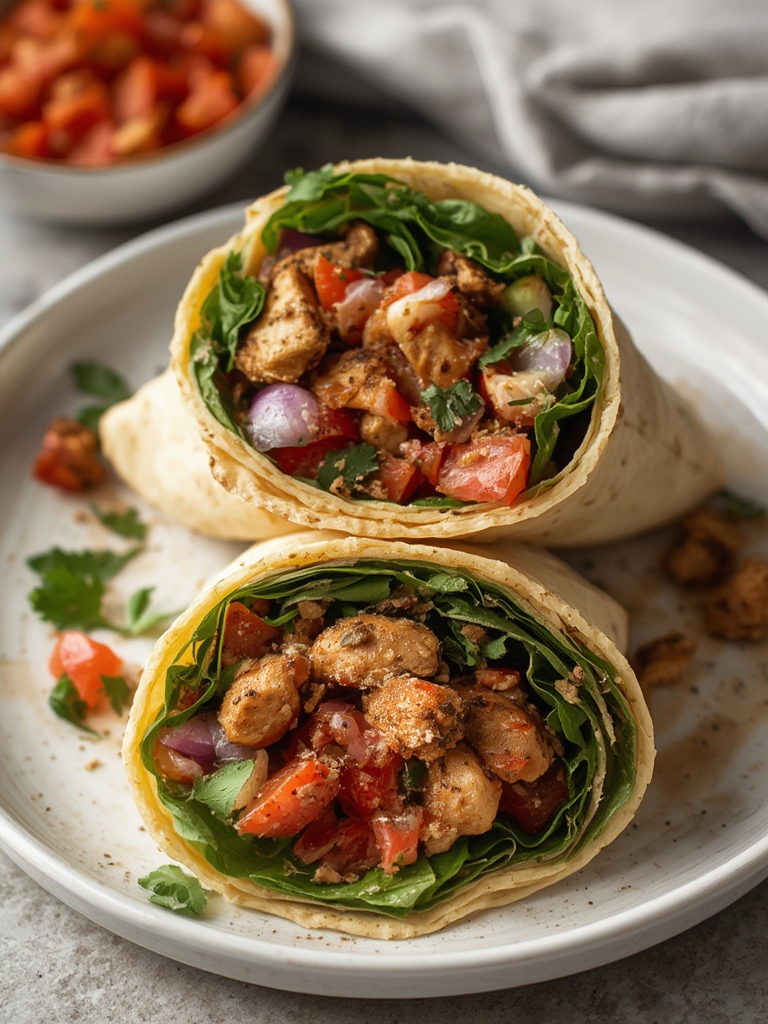
Mediterranean chicken wraps bring together succulent marinated chicken, crisp vegetables, and creamy tzatziki sauce in a portable, nutritious meal. Growing up in Asheville’s food-centric culture, I learned to appreciate how fresh ingredients and simple techniques can create incredible flavors. These wraps have become my go-to lunch solution when I’m craving something satisfying yet light. The combination of protein-packed chicken, fiber-rich vegetables, and whole grain wraps makes this a balanced meal that’s perfect for busy weekdays or casual gatherings.
IN THIS ARTICLE
Key Takeaways: What You Need To Know
– These mediterranean chicken wraps combine juicy marinated chicken with fresh vegetables and tzatziki sauce
– Prep components ahead for quick assembly throughout the week
– Customize with your favorite Mediterranean ingredients like olives, feta, or roasted red peppers
– Use either store-bought rotisserie chicken or marinate and grill your own
– These wraps work great for meal prep and can be partially assembled in advance
– Whole wheat wraps provide extra fiber but any flatbread works well
What Makes Mediterranean Chicken Wraps So Special?
Direct Answer: Mediterranean chicken wraps combine succulent marinated chicken, fresh vegetables, and tangy tzatziki sauce in a portable format that delivers authentic Mediterranean flavors in every bite.
Growing up in the mountains of Asheville, my exposure to Mediterranean cuisine came later in life, but it was love at first taste. The bright, fresh flavors and healthy ingredients immediately spoke to me as both a cook and food lover. Mediterranean chicken wraps have become my solution for bringing those vibrant coastal flavors into everyday meals without complicated techniques or hard-to-find ingredients.
What sets these wraps apart from standard lunch fare is the harmonious balance of flavors and textures – tender chicken infused with lemon and herbs, crisp vegetables, and creamy tzatziki, all wrapped in a soft flatbread. The mediterranean chicken wraps I’m sharing today represent everything I love about home cooking: simple ingredients transformed into something truly special.
Why Are Mediterranean Flavors So Beloved?
Mediterranean cuisine has gained worldwide popularity for good reason. The flavors are bold yet accessible, focusing on fresh ingredients rather than complicated techniques. According to research from the American Heart Association, the Mediterranean eating pattern is consistently ranked among the healthiest diets globally.
In my kitchen experiments, I’ve found that mediterranean chicken wraps perfectly capture this cuisine’s essence. The combination of grilled proteins, fresh vegetables, olive oil, and herbs creates layers of flavor that feel sophisticated yet remain approachable for everyday cooking. These wraps have become my go-to recommendation for friends who want to expand their culinary horizons without feeling intimidated.
How Do These Wraps Fit Into A Balanced Diet?
As someone who believes in enjoyable, sustainable eating habits, I appreciate how mediterranean chicken wraps deliver nutrition without sacrifice. Each component brings valuable nutrients to the table: lean protein from the chicken, fiber from vegetables, healthy fats from olive oil, and complex carbohydrates from whole grain wraps.
What makes these wraps particularly special is their versatility. They work equally well as a quick lunch, light dinner, or party appetizer when cut into smaller portions. The protein and fiber combination creates lasting satisfaction, which I’ve found particularly helpful when teaching new cooks about building balanced meals. Mediterranean chicken wraps demonstrate that nutritious eating can be both convenient and delicious.
Mediterranean Chicken Wraps
Equipment
- grill or skillet
- Mixing bowl
- Knife
- Cutting board
- Spoon
Ingredients
- 2 cups cooked chicken breast (sliced or shredded)
- 4 flatbreads or wraps
- 1 cup tzatziki sauce
- 1 cup cucumber (sliced)
- 1 cup tomatoes (diced)
- 1/2 cup red onion (thinly sliced)
- 1 cup romaine lettuce or greens
- 1/2 cup feta cheese (optional)
- 1/4 cup kalamata olives (optional)
- 2 tbsp olive oil
- 2 tbsp lemon juice
- 2 cloves garlic (minced)
- 1 tsp dried oregano
- salt and pepper to taste
Instructions
- Marinate chicken with olive oil, lemon juice, garlic, oregano, salt, and pepper for at least 30 minutes.
- Cook chicken by grilling or pan-searing until fully cooked, then slice into strips.
- Prepare vegetables by slicing cucumbers, dicing tomatoes, and thinly slicing red onion.
- Warm the flatbreads slightly to make them pliable.
- Spread tzatziki sauce evenly over each wrap.
- Add chicken, vegetables, and optional toppings like feta and olives.
- Fold in sides and roll tightly to form wraps.
- Slice in half and serve immediately.
Notes
Nutrition
Essential Ingredients for Authentic Mediterranean Chicken Wraps
Direct Answer: Authentic mediterranean chicken wraps require marinated chicken, fresh vegetables (tomatoes, cucumbers, red onion), tzatziki sauce, and flatbreads, with optional additions like feta cheese, olives, and fresh herbs.
When I first started experimenting with mediterranean chicken wraps in my Asheville kitchen, I quickly learned that quality ingredients make all the difference. The beauty of Mediterranean cooking lies in its simplicity – allowing fresh, high-quality components to shine without excessive manipulation. Let me walk you through the essential elements that make these wraps truly special.
For the chicken component, boneless skinless chicken breasts or thighs work beautifully when marinated in a mixture of olive oil, lemon juice, garlic, and Mediterranean herbs like oregano and thyme. This simple marinade infuses the meat with flavor that serves as the foundation for our wraps. The mediterranean chicken wraps’ protein component can be grilled, baked, or even pan-seared depending on what equipment you have available.
What Vegetables Work Best in These Wraps?
Fresh, crisp vegetables are non-negotiable for authentic mediterranean chicken wraps. My standard combination includes:
– Persian or English cucumbers (they have fewer seeds and more flavor)
– Ripe tomatoes, preferably Roma or cherry varieties
– Thinly sliced red onion for sharp contrast
– Fresh leafy greens like romaine or arugula for texture
What I’ve discovered through years of experimentation is that the vegetables should be cut uniformly – not too large (which makes the wrap difficult to eat) but not so small that they lose their distinct textures. I particularly love adding Greek salad ingredients like kalamata olives and feta cheese for additional Mediterranean authenticity.
How to Choose the Perfect Wraps and Spreads
The wrap itself deserves careful consideration. While traditional Greek gyros use pita bread, I’ve found that larger flour tortillas or lavash bread work better for these mediterranean chicken wraps because they’re easier to roll and hold together. Whole wheat options add nutritional value and a pleasant nuttiness that complements the fillings.
For spreads, nothing beats homemade tzatziki sauce – the cooling yogurt-cucumber combination provides the perfect counterpoint to the seasoned chicken. My simple version combines Greek yogurt, grated cucumber (with excess moisture squeezed out), minced garlic, lemon juice, dill, and a touch of olive oil. For a shortcut, quality store-bought versions work well too, though I always recommend adding fresh herbs to brighten the flavors. Some Mediterranean restaurants I’ve visited also add a thin layer of hummus, which adds another dimension of flavor to these versatile wraps.
Step-by-Step Guide to Perfect Mediterranean Chicken Wraps
Direct Answer: To make perfect mediterranean chicken wraps, marinate and cook the chicken, prepare fresh vegetables and tzatziki sauce, warm the flatbreads, then assemble by spreading sauce, adding chicken and vegetables, and rolling tightly while tucking in the ends.
Creating these mediterranean chicken wraps has become second nature in my kitchen, but I remember when I first started experimenting with them years ago in my small Asheville apartment. The process is straightforward once you understand the sequence, and the results are consistently delicious. Let me break it down into manageable steps that ensure success every time.
First, prepare the chicken. While you can certainly use rotisserie chicken as a time-saver, I prefer marinating boneless chicken breasts or thighs in a mixture of olive oil, lemon juice, garlic, oregano, and a pinch of red pepper flakes. Even 30 minutes of marination makes a difference, though overnight in the refrigerator yields the most flavorful results. Cook the chicken using your preferred method – I typically grill for about 6-7 minutes per side until it reaches 165°F internally, then let it rest before slicing into strips.
How to Prepare and Cut Vegetables for Maximum Flavor?
The way you prepare vegetables for mediterranean chicken wraps significantly impacts both flavor and texture. Through trial and error, I’ve developed these preparation techniques:
| Vegetable | Preparation Technique |
|---|---|
| Cucumbers | Cut into thin half-moons; salt lightly to draw out excess moisture |
| Tomatoes | Remove seeds and dice; salt just before serving |
| Red onion | Slice very thinly and soak in cold water for 5 minutes to reduce sharpness |
| Leafy greens | Tear into bite-sized pieces rather than cutting to prevent browning |
I’ve learned that pre-salting vegetables like cucumbers and tomatoes draws out excess moisture that would otherwise make your wrap soggy. This simple step, combined with patting the vegetables dry with paper towels, helps maintain the structural integrity of your mediterranean chicken wraps while concentrating flavors.
What’s the Best Method for Rolling and Serving?
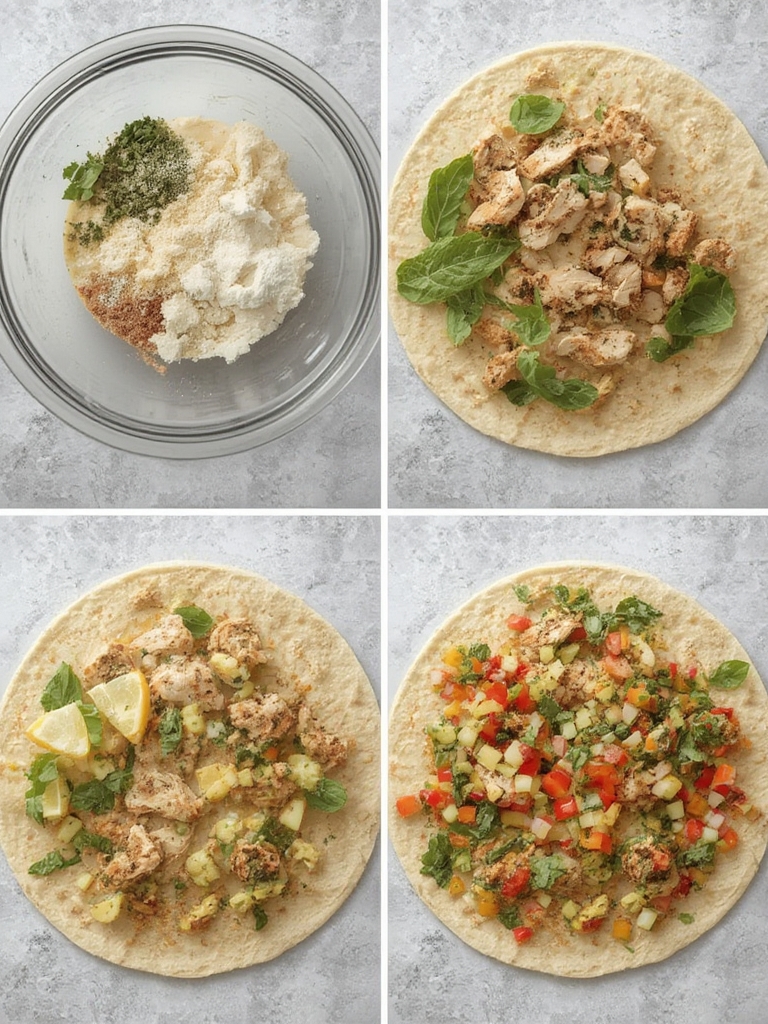
The rolling technique can make or break your mediterranean chicken wraps experience. I’ve perfected a method that keeps everything secure:
1. Warm your flatbread or tortilla for about 10 seconds in the microwave or on a dry skillet – this makes it more pliable
2. Leave a one-inch border around the edges when adding fillings
3. Place the heaviest ingredients (chicken) in the center
4. Spread tzatziki across the entire surface to help ingredients adhere
5. Fold in the sides first, then roll from the bottom up, keeping pressure firm but gentle
6. For presentation and stability, wrap in parchment paper or foil, then cut diagonally
Timing matters too – if making these for a crowd, I assemble them no more than an hour before serving, storing them wrapped in the refrigerator. For meal prep, I keep all components separate and assemble them just before eating to maintain optimal texture and prevent sogginess. These mediterranean chicken wraps have been my solution for countless picnics, work lunches, and casual dinner gatherings.
Creative Variations on Traditional Mediterranean Chicken Wraps
Direct Answer: Enhance traditional mediterranean chicken wraps by trying variations like Greek-style with feta and olives, Moroccan-inspired with spiced chicken and hummus, vegetarian options with roasted vegetables, or breakfast versions with eggs and Mediterranean ingredients.
One thing I absolutely love about mediterranean chicken wraps is their versatility. During my cooking journey, I’ve developed numerous variations that maintain the Mediterranean essence while introducing new flavors and ingredients. These adaptations have helped me keep family meals exciting while still honoring the core principles of Mediterranean cooking.
My kitchen in Asheville has been the testing ground for countless mediterranean chicken wrap variations. Some have become such family favorites that they’ve earned their own special names in our household recipe collection. What I appreciate most is how these wraps can be adapted to different dietary needs and preferences without losing their distinctive Mediterranean character.
How Can You Create Vegetarian Mediterranean Wraps?
Creating satisfying vegetarian versions of mediterranean chicken wraps has been a delightful challenge in my kitchen. The key is finding protein alternatives that deliver both satisfaction and complementary flavors:
| Protein Alternative | Preparation Technique |
|---|---|
| Falafel | Crispy chickpea fritters, either homemade or quality store-bought |
| Grilled halloumi | Slice and pan-sear until golden for a meaty texture with salty flavor |
| Roasted portobello mushrooms | Marinate in same chicken seasonings, then roast until tender |
| Lentil patties | Season with Mediterranean herbs and pan-fry until crisp |
When making vegetarian mediterranean wraps, I’ve found it important to increase the healthy fat content (with extra avocado or a more generous drizzle of olive oil) to create satisfaction similar to the chicken version. Adding a spread of homemade hummus provides additional protein and creaminess. My vegetarian friends particularly love the combination of grilled halloumi with roasted red peppers and a kalamata olive tapenade.
What Regional Mediterranean Flavors Can You Incorporate?
The Mediterranean encompasses diverse culinary traditions that can inspire exciting variations of these wraps. Through my cooking explorations, I’ve developed several regional twists:
Greek-Style: Lean into classic Greek flavors by adding crumbled feta, kalamata olives, and dried oregano to your mediterranean chicken wraps. A squeeze of fresh lemon juice brightens everything. This version reminds me of the Greek festivals I attended in Asheville, where the food vendors would create similar combinations.
Moroccan-Inspired: Marinate the chicken with cumin, cinnamon, and a touch of harissa paste before cooking. Swap tzatziki for a spread of hummus mixed with a hint of honey. Add chopped dried apricots for sweetness. This variation has become a favorite for dinner parties, as the warm spices create an exotic yet approachable flavor profile.
Italian Mediterranean: Use pesto instead of tzatziki as your spread, add roasted red peppers, and include a few thin slices of provolone cheese. This version works particularly well with chicken that’s been seasoned simply with just salt, pepper, and Italian herbs. I created this variation after visiting an Italian market that opened in my neighborhood, bringing home ingredients that inspired this delicious fusion.
Spanish Influence: Incorporate smoked paprika in your chicken marinade, add thin slices of Spanish chorizo for depth of flavor, and include roasted piquillo peppers. A light aioli works beautifully as the spread. This robust variation pairs wonderfully with a simple green salad for a complete meal that transports you to the Spanish coastline.
Meal Prep Tips for Mediterranean Chicken Wraps
Direct Answer: For meal prepping mediterranean chicken wraps, prepare and store components separately (marinated chicken, chopped vegetables, tzatziki) in airtight containers, keep wraps at room temperature, and assemble just before eating to prevent sogginess.
As someone who juggles work and family responsibilities, I’ve perfected the art of meal prepping these mediterranean chicken wraps over the years. The Mediterranean diet’s emphasis on fresh, minimally processed ingredients makes it ideal for advance preparation, as long as you understand how to store components properly to maintain quality and prevent sogginess.
When I first started experimenting with make-ahead mediterranean chicken wraps, I made the rookie mistake of fully assembling them days in advance. After a few disappointing soggy lunches, I developed a component-based approach that ensures fresh, delicious wraps every time. This method has transformed my weekly meal planning and saved countless hours during busy weeknights.
How Can You Store Components for Maximum Freshness?
The success of meal-prepped mediterranean chicken wraps depends entirely on proper storage of individual components. Through trial and error, I’ve developed these storage guidelines:
| Component | Storage Method | Duration |
|---|---|---|
| Cooked chicken | Airtight container, slightly undercook if reheating | 3-4 days refrigerated |
| Tzatziki sauce | Mason jar with paper towel under lid to absorb moisture | Up to 5 days |
| Chopped vegetables | Container lined with paper towels to absorb moisture | 2-3 days |
| Flatbreads/wraps | Original packaging or ziplock bag at room temperature | According to package date |
I’ve learned that keeping tomatoes separate from other vegetables extends freshness, as their acidity can cause other ingredients to break down more quickly. For leafy greens, I wash, thoroughly dry (this is crucial!), and store them with a dry paper towel in a loosely closed container. My mediterranean chicken wraps stay fresh longer when all components are properly dried before storage – moisture is the enemy of meal prep!
What’s the Best Way to Transport and Reheat These Wraps?
Transporting mediterranean chicken wraps for work lunches or outings requires some strategy to maintain their integrity. After many lunchtime disappointments (and one memorable purse disaster), I’ve refined my approach:
For same-day consumption, I assemble the wraps in the morning but keep the tzatziki separate in a small container. I apply the sauce just before eating to prevent sogginess. Wrapping each assembled wrap tightly in parchment paper followed by aluminum foil maintains structural integrity and freshness.
When reheating is necessary, I’ve found that chicken is best warmed separately from other components. A quick 30-second microwave zap restores the chicken’s juiciness without cooking the vegetables. Alternatively, bringing the chicken to room temperature before assembling creates a more pleasant temperature contrast with the cool vegetables.
For picnics or travel, I pack fully assembled mediterranean chicken wraps in a cooler but include extra tzatziki for dipping. The wraps tend to firm up when chilled, so removing them from the cooler about 15-20 minutes before serving allows the flatbread to soften for the best eating experience. This technique saved our family beach picnic last summer when I brought these wraps for everyone to enjoy!
Nutritional Benefits and Dietary Adaptations
Direct Answer: Mediterranean chicken wraps offer balanced nutrition through lean protein, complex carbohydrates, healthy fats, and abundant vegetables, and can be adapted for various dietary needs including gluten-free, dairy-free, low-carb, and keto modifications.
As someone who believes food should be both nourishing and delicious, I appreciate how these mediterranean chicken wraps naturally align with balanced eating principles. The Mediterranean diet has been extensively studied by organizations like the Harvard School of Public Health, consistently showing benefits for heart health, longevity, and overall wellness.
What makes mediterranean chicken wraps particularly special from a nutritional standpoint is their balance of macronutrients. The chicken provides lean protein necessary for muscle maintenance and satiety. The vegetables deliver fiber, vitamins, and antioxidants. The olive oil and olives contribute heart-healthy monounsaturated fats. Together, these components create a satisfying meal that provides sustained energy without the blood sugar spikes and crashes associated with many convenience foods.
How Can You Adapt These Wraps for Special Diets?
Throughout my cooking journey, I’ve had to accommodate various dietary needs for family and friends. Mediterranean chicken wraps are remarkably adaptable to different requirements:
Gluten-Free: Substitute traditional flatbreads with gluten-free alternatives like corn tortillas, rice wraps, or specialized gluten-free wraps. Alternatively, create a “bowl” version using a bed of cauliflower rice or quinoa as the base. When I hosted a dinner party for a friend with celiac disease, I created a deconstructed version over gluten-free quinoa that was such a hit everyone requested it regardless of dietary needs.
Dairy-Free: Replace traditional tzatziki with a dairy-free version using coconut yogurt and the same seasonings. For additional creaminess without dairy, add avocado slices or a tahini-based sauce. My lactose-intolerant neighbor declared my coconut yogurt tzatziki “better than the original” after trying it at a neighborhood potluck.
Low-Carb/Keto: Create lettuce wraps using large romaine or butter lettuce leaves instead of flatbreads. Increase the healthy fat content by adding extra olive oil, avocado, or olives. Focus on lower-carb vegetable options like bell peppers and cucumbers while limiting tomatoes. This variation helped my sister stay on track with her keto lifestyle while still enjoying family meals.
Paleo: Use large collard green leaves as wraps after briefly blanching them to increase flexibility. Focus on the chicken and vegetables while using a paleo-compliant sauce like avocado oil mayonnaise mixed with herbs. This adaptation came from a cooking workshop I attended in Asheville where we explored ancestral eating patterns through modern recipes.
What Makes These Wraps a Balanced Meal Option?
The nutritional profile of mediterranean chicken wraps aligns perfectly with current dietary guidelines emphasizing balanced eating rather than restriction. Each wrap contains:
– Protein: 20-25g from chicken and small amounts from yogurt in tzatziki
– Complex carbohydrates: 30-35g primarily from the flatbread with fiber from vegetables
– Healthy fats: 15-20g from olive oil, olives, and yogurt
– Vegetables: 1-2 servings per wrap, providing essential vitamins, minerals, and fiber
This balance creates lasting satisfaction while delivering nutrition—something I emphasize when teaching cooking classes. Mediterranean chicken wraps demonstrate how traditional eating patterns naturally achieve nutritional balance without complicated calculations or restrictive rules.
One student from my cooking workshop shared: “I’ve been making Chloe’s mediterranean chicken wraps every week since taking her class. They keep me satisfied all afternoon, and I’ve actually lost weight without feeling like I’m dieting. Plus, my kids will eat them!”
These wraps showcase how Mediterranean cuisine naturally aligns with modern nutrition science—emphasizing whole foods, plant-forward eating, and moderate portions of high-quality proteins. They’ve become my go-to recommendation for friends seeking healthier eating habits without sacrificing flavor or enjoyment, proving that nutritious eating can be both accessible and delicious.