Disclaimer: This content is for educational purposes only, not medical advice. Always consult with a doctor before making significant changes to your diet, especially if you have pre-existing health conditions.
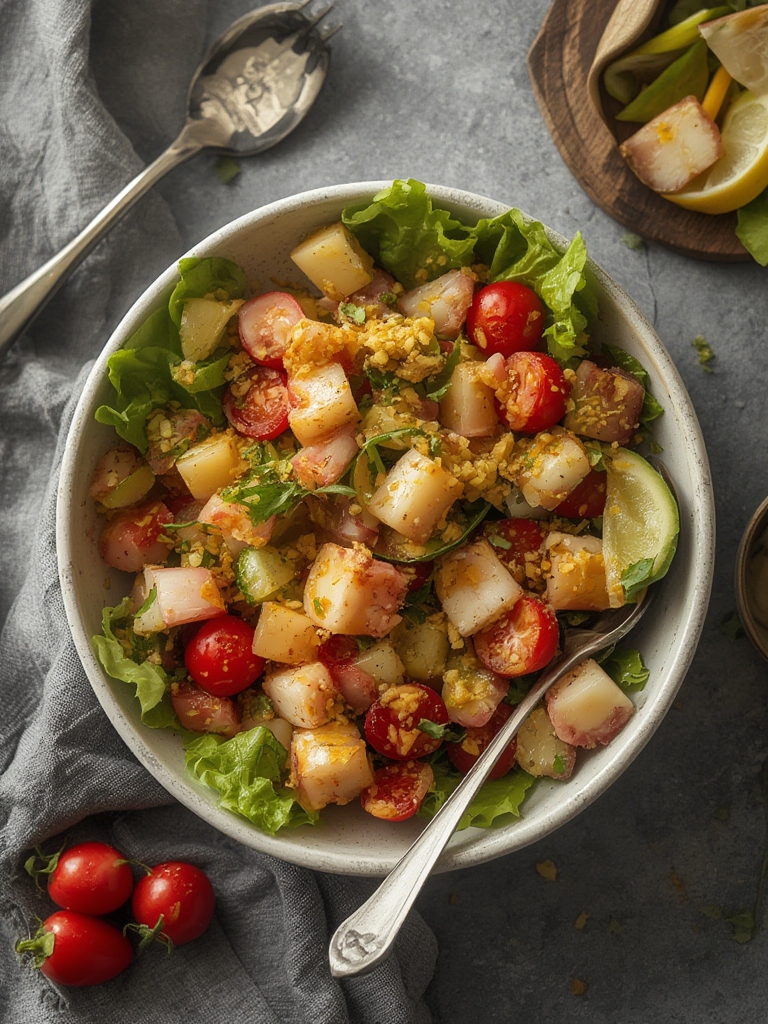
Have you ever stood in front of your refrigerator, salad in hand, wondering how to add flavor without piling on extra calories? I’ve been there more times than I can count. Growing up in Asheville, our family dinners always featured fresh garden salads, but the store-bought dressings were loaded with calories and ingredients I couldn’t pronounce. That’s why I’m excited to share my 0 calorie salad dressing recipes that have transformed my meals—and could change yours too.
Creating 0 calorie salad dressing at home isn’t just possible—it’s deliciously simple. After years of testing and tweaking in my mountain kitchen, I’ve perfected versions that don’t sacrifice taste while keeping the calorie count at zero. These dressings have become staples in my household, and my friends constantly ask for the recipes.
IN THIS ARTICLE
Key Takeaways: What You Need To Know
– 0 calorie salad dressings use flavor-packed ingredients like vinegar, citrus, and herbs instead of oils and sugars
– Homemade versions eliminate preservatives and artificial ingredients found in store-bought alternatives
– Simple techniques like emulsifying and infusing can create restaurant-quality dressings with zero calories
– These dressings work wonderfully on more than just salads—try them as marinades or veggie dips
– With proper storage, homemade 0 calorie dressings can last up to two weeks in your refrigerator
Why Choose 0 Calorie Salad Dressing Over Store-Bought Options
Zero calorie salad dressings offer a way to enjoy flavorful salads without compromising nutrition goals. Most commercial “light” dressings still contain 30-50 calories per serving, while truly 0 calorie options often use artificial ingredients. Homemade versions solve both problems with natural ingredients and authentic flavors.
What Makes Traditional Dressings So Calorie-Dense?
Traditional salad dressings get their high calorie counts primarily from oils and added sugars. A standard vinaigrette contains 60-80% oil, with each tablespoon of oil adding about 120 calories. Additionally, many commercial dressings contain surprising amounts of sugar—sometimes up to 7 grams per serving—contributing both calories and unwanted sweetness.
I discovered this reality when trying to lose weight after my second child. Despite eating salads daily, I wasn’t seeing results until I realized my “healthy” store-bought dressing was adding nearly 200 calories to each meal!
How Can Dressings Really Be Zero Calories?
Zero calorie dressings utilize ingredients that the FDA allows to be listed as containing no calories when used in small amounts. Vinegars, most herbs and spices, citrus juices in small quantities, and non-nutritive sweeteners all qualify. By combining these flavor powerhouses strategically, you can create dressings that register as 0 calories per serving while delivering bold taste.
The key is understanding that ingredients like vinegar, lemon juice, and herbs provide enormous flavor impact without caloric density. When I first started experimenting with these dressings, I was skeptical they could satisfy my taste buds—but the intensity of good vinegar and fresh herbs quickly proved me wrong.
Ingredients You’ll Need For Perfect 0 Calorie Dressings
The foundation of great 0 calorie salad dressing starts with high-quality, flavor-packed ingredients. Since we’re not relying on oil and sugar for taste, each component needs to pull its weight in the flavor department.
What Are The Essential Base Ingredients?
Every 0 calorie dressing needs a flavorful acid base that forms its backbone. These core ingredients create the structure that carries other flavors:
| Base Ingredient | Flavor Profile |
|---|---|
| White vinegar | Sharp, clean acidity |
| Apple cider vinegar | Fruity, slightly sweet tang |
| Rice vinegar | Mild, subtle sweetness |
| Balsamic vinegar | Rich, complex sweetness |
| Lemon juice | Bright, fresh citrus notes |
I always keep at least three different vinegars in my pantry. The difference between a basic white vinegar and a well-aged balsamic can transform a dressing from ordinary to extraordinary.
Which Flavor Enhancers Make Zero-Calorie Dressings Pop?
While the acid base provides structure, flavor enhancers add complexity and depth to 0 calorie salad dressing. These ingredients create the impression of richness without adding calories:
– Fresh herbs (basil, cilantro, dill, parsley)
– Dried herbs and spices (oregano, thyme, red pepper flakes)
– Garlic and onion (fresh, powdered, or dehydrated)
– Dijon mustard (most varieties contain 0-5 calories per teaspoon)
– Salt and black pepper
– Zero-calorie sweeteners (stevia, monk fruit) to balance acidity
My personal secret weapon is roasted garlic. I’ll roast a whole head until soft, which develops a sweet, complex flavor that makes dressings taste almost creamy without adding fat.
0 Calorie Salad Dressing
Equipment
- glass jar with lid
- Mixing bowl
- Whisk or spoon
- measuring spoons
- knife and cutting board
Ingredients
- 1/2 cup white or apple cider vinegar
- 2 tbsp fresh herbs (parsley, basil, or dill), chopped
- 1 garlic clove, minced
- 1 tsp Dijon mustard
- 1/4 tsp salt
- 1/4 tsp black pepper
- 2-3 tbsp water (to dilute)
Instructions
- Add vinegar to a glass jar or mixing bowl.
- Add chopped herbs, minced garlic, and Dijon mustard.
- Season with salt and black pepper.
- Add water to adjust acidity and taste.
- Shake or whisk vigorously until well combined.
- Let sit for at least 30 minutes before serving for best flavor.
Notes
Nutrition
Step-By-Step Instructions For Making 0 Calorie Salad Dressing
Creating zero-calorie dressings at home is surprisingly simple and requires minimal equipment. The process focuses on extracting maximum flavor from minimal ingredients.
How Do You Make Basic Herb-Infused 0 Calorie Dressing?
A herb-infused 0 calorie salad dressing creates depth through infusion rather than fat. This process allows the flavors to fully develop and meld together for a more complex taste experience.
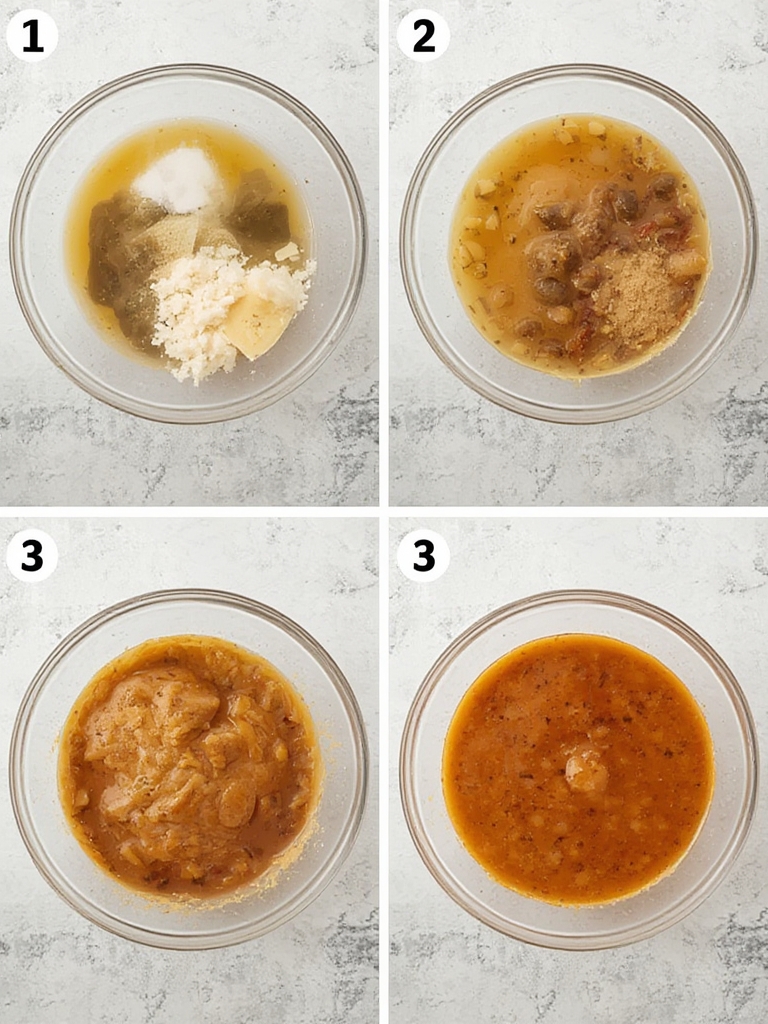
1. Start with 1/2 cup white or apple cider vinegar in a glass jar
2. Add 2 tablespoons finely chopped fresh herbs (basil, parsley, dill)
3. Include 1 minced garlic clove and 1 teaspoon Dijon mustard
4. Season with 1/4 teaspoon each salt and black pepper
5. Add 2-3 tablespoons water to dilute the acidity if desired
6. Shake vigorously until well combined
7. Let sit for at least 30 minutes before using (overnight is better)
I discovered this method after noticing how flavors develop in my grandmother’s cucumber salad that sat overnight. The patience pays off—herbs fully release their oils, creating a more aromatic dressing.
What Techniques Create Creamy Zero-Calorie Dressings?
Achieving creaminess without calories seems impossible, but specific techniques create that satisfying texture without adding fat:
1. Use an immersion blender to emulsify ingredients with a small amount of xanthan gum (1/8 teaspoon)
2. Incorporate pureed vegetables like cucumber or roasted red pepper as a base
3. Add 1-2 tablespoons plain non-fat Greek yogurt (adds minimal calories but creates creaminess)
4. Blend in 1 teaspoon nutritional yeast for umami and thickening
5. Chill thoroughly before serving to enhance perceived thickness
The first time I tried the cucumber technique, I was genuinely shocked. Blending cucumber with vinegar, garlic, and dill created a dressing so creamy my husband couldn’t believe it contained zero oil!
Creative Flavor Combinations For 0 Calorie Dressings
Once you master the basic techniques, experimentation leads to endless flavor possibilities. These combinations keep salads exciting while maintaining the zero-calorie promise.
Which Herb And Spice Combinations Work Best?
Certain herb and spice combinations create distinctive flavor profiles that elevate simple salads to gourmet experiences. Each of these 0 calorie salad dressing variations has become a favorite in my recipe collection:
| Flavor Profile | Key Ingredients |
|---|---|
| Italian Garden | White vinegar, basil, oregano, garlic, red pepper flakes |
| Asian Fusion | Rice vinegar, ginger, garlic, lemongrass, lime zest |
| Greek Inspired | Red wine vinegar, oregano, garlic, mint, lemon zest |
| Southwestern | Lime juice, cilantro, cumin, chili powder, garlic |
My family’s current favorite is the Southwestern blend. My teenage daughter, who normally avoids salads, requests “the lime one” regularly—a major win in my household!
How Can You Use Zero-Calorie Dressings Beyond Salads?
Zero-calorie dressings aren’t just for lettuce. Their concentrated flavors make them versatile kitchen workhorses:
1. Use as marinades for chicken, fish, or tofu (the acid tenderizes protein)
2. Drizzle over roasted vegetables before serving
3. Add to grain bowls for moisture and flavor
4. Use as dipping sauces for raw vegetables
5. Brush onto grilled foods during the last few minutes of cooking
6. Mix into cold pasta or potato salads instead of mayonnaise-based dressings
Last summer, I marinated chicken thighs in my herb-infused zero-calorie dressing before grilling. The results were so flavorful that it’s now our standard preparation method for weekly meal prep.
Storage And Shelf Life Of Homemade 0 Calorie Dressings
Proper storage ensures your zero-calorie creations maintain their flavor and safety. Understanding shelf life helps prevent waste and ensures you always have delicious dressings ready.
How Long Do Zero-Calorie Dressings Last?
Zero calorie salad dressings typically last longer than their oil-based counterparts because they contain more acid and less fat. The high acid content naturally preserves these dressings.
| Dressing Type | Refrigerator Shelf Life |
|---|---|
| Basic vinegar-herb | 2-3 weeks |
| Citrus-based | 1 week |
| With fresh vegetables | 3-5 days |
| With yogurt added | 5-7 days |
I’ve found that making smaller batches more frequently ensures the freshest flavor. My Sunday ritual includes preparing two different dressings for the week ahead—usually one herb-infused vinegar base and one citrus blend.
What’s The Best Way To Store Zero-Calorie Dressings?

Proper storage containers and techniques maximize the shelf life and flavor of your 0 calorie salad dressings:
1. Use glass containers with tight-fitting lids rather than plastic (prevents flavor absorption)
2. Store in the refrigerator door where temperature is most consistent
3. Label with the preparation date to track freshness
4. Leave minimal headspace in containers to reduce oxidation
5. Allow dressings to come to room temperature before serving for best flavor
6. Shake well before each use to recombine ingredients
“I’ve been making Chloe’s herb-infused zero-calorie dressing for months now,” shares Maria, a WePostRecipes reader from Colorado. “I keep mine in a small mason jar in the fridge door and it stays fresh for about two weeks. The flavors actually improve after a few days as everything melds together. It’s saved me countless calories without sacrificing taste!”
I learned the importance of proper storage after ruining a batch by keeping it in a plastic container—the vinegar absorbed the plastic smell completely. Now I exclusively use small glass jars with rubber gasket seals, which maintain flavor integrity perfectly.
Troubleshooting Common Issues With Zero-Calorie Dressings
Even with simple recipes, occasional challenges arise. Understanding how to fix common problems ensures consistently delicious results with your 0 calorie salad dressing.
Why Is My Dressing Too Acidic?
A too-sharp, vinegary taste is the most common issue with zero-calorie dressings since they rely heavily on acids for flavor. Fortunately, this is easily correctable:
1. Add a tiny pinch of zero-calorie sweetener like stevia or monk fruit
2. Dilute with 1-2 tablespoons of water
3. Incorporate more herbs or spices to create flavor complexity
4. Add 1/4 teaspoon of nutritional yeast for umami depth
5. Let sit longer to allow flavors to mellow and integrate
When I first started making these dressings, I found them overwhelmingly acidic. The game-changer was learning to balance with herbs and letting them rest overnight—the difference was remarkable.
How Can I Make My Zero-Calorie Dressing Taste More Satisfying?
Without oil’s richness, zero-calorie dressings sometimes feel lacking in mouthfeel and satisfaction. These techniques create a more complete flavor experience:
1. Incorporate umami-rich ingredients like nutritional yeast or mushroom powder
2. Use a very small amount of Dijon mustard (1/2 teaspoon) as an emulsifier
3. Add depth with smoked salt or smoked paprika
4. Include aromatic ingredients like shallots or roasted garlic
5. Try a dash of balsamic vinegar, which contains natural sugars for complexity
6. Incorporate herbs with natural oils like rosemary or thyme
My personal breakthrough came when I started using roasted rather than raw garlic. The roasting process develops sweetness and complexity that makes the dressing taste almost buttery despite containing zero fat.
With these recipes and techniques, you’ll never have to choose between flavor and calories again. These 0 calorie salad dressings have transformed my approach to healthy eating—maintaining taste while supporting nutritional goals. I’d love to hear which versions become your favorites!