Disclaimer: This content is for educational purposes only, not medical advice. Always consult with a doctor before making significant changes to your diet, especially if you have pre-existing health conditions.
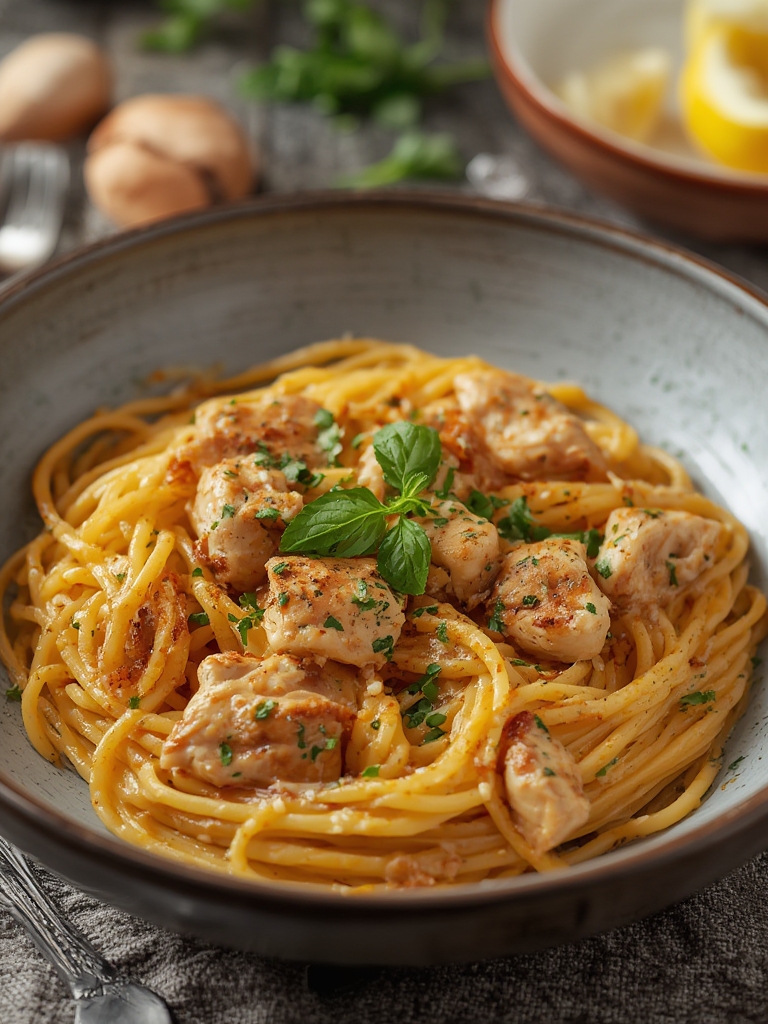
My Journey With This Comforting Classic
Creamy chicken pasta has been my go-to comfort dish since my early cooking days in my small Asheville kitchen. I remember the first time I made this creamy chicken pasta for my family gathering – everyone went silent as they took their first bites, then erupted in praise. The silky sauce, tender chicken, and perfectly cooked pasta created a symphony of flavors that still brings me joy whenever I prepare it. Over the years, I’ve refined this recipe to be both impressive and approachable, especially for those just finding their confidence in the kitchen.
This dish combines simple techniques with everyday ingredients to create something truly special that even novice cooks can master. Through countless Sunday dinners and impromptu gatherings, this creamy chicken pasta has earned its place as my most-requested recipe.
IN THIS ARTICLE
Key Takeaways: What You Need To Know
– Creamy chicken pasta comes together in just 30 minutes with everyday ingredients
– The secret to silky sauce is gradually adding liquid while whisking constantly
– You can prep components ahead of time for even faster weeknight cooking
– This versatile recipe welcomes substitutions based on what’s in your pantry
– Proper pasta cooking and sauce consistency techniques ensure restaurant-quality results
Why Creamy Chicken Pasta Becomes Everyone’s Favorite
A well-executed creamy chicken pasta delivers comfort and satisfaction in every forkful. This dish balances rich creaminess with savory protein and tender pasta, creating the perfect comfort food equation. The combination of al dente pasta, tender chicken pieces, and velvety sauce creates an irresistible texture contrast that pleases both sophisticated palates and picky eaters alike.
The magic happens when simple ingredients transform through proper technique. While many home cooks think creamy sauces require professional training, my approach breaks it down into foolproof steps anyone can follow. Plus, this creamy chicken pasta recipe offers endless customization possibilities—add vegetables for nutrition, adjust spice levels, or swap proteins based on what you have available.
What Makes This Recipe So Special?
My version of creamy chicken pasta stands out because it prioritizes technique over complicated ingredients. Rather than relying on pre-made sauces or flavor packets, we build flavor through proper searing, deglazing, and emulsification. The sauce comes together through a simple roux base (butter and flour) that creates the perfect texture without separating or becoming gluey.
Having tested countless variations over my years of home cooking, I’ve identified exactly where most creamy pasta recipes go wrong. My method ensures your chicken stays juicy, your pasta maintains perfect texture, and your sauce achieves that restaurant-quality consistency that coats each strand beautifully.
How Difficult Is It To Make At Home?
Despite its impressive results, this creamy chicken pasta is surprisingly beginner-friendly. The entire dish comes together in a single pan (plus one for pasta), minimizing cleanup and simplifying the cooking process. Even if you’re new to making cream sauces, my step-by-step approach eliminates common pitfalls.
The most challenging part—achieving the perfect sauce consistency—becomes manageable through visual cues I’ll share throughout the recipe. You’ll learn how to identify when your roux is properly cooked, how to gradually incorporate liquids to prevent lumps, and how to adjust seasoning for balanced flavor. These are transferable skills that will improve all your cooking beyond this single recipe.
Ingredients You’ll Need for Perfect Creamy Chicken Pasta
Gathering the right ingredients is the crucial first step toward creamy chicken pasta success. This recipe uses pantry staples and fresh components you can find in any grocery store. The magic happens in how these simple ingredients work together to create something greater than the sum of their parts. Each component plays a specific role in building flavor and texture.
For best results, bring ingredients to room temperature before cooking when possible. Cold chicken won’t brown properly, and chilled dairy products can cause sauces to separate. Planning ahead with ingredient prep makes the cooking process smooth and enjoyable, especially if you’re new to making cream sauces.
Essential Ingredients and Possible Substitutions
| Ingredient | Substitution Options |
|---|---|
| 1 lb boneless chicken breasts | Chicken thighs, leftover rotisserie chicken, or Italian sausage |
| 8 oz fettuccine pasta | Penne, linguine, or gluten-free pasta alternatives |
| 2 tbsp butter | Olive oil or plant-based butter |
| 3 garlic cloves | 1 tsp garlic powder or roasted garlic paste |
| 1 cup heavy cream | Half-and-half with 1 tbsp cornstarch, or full-fat coconut milk |
What Kitchen Tools Will You Need?
The right equipment makes preparing creamy chicken pasta significantly easier. You don’t need professional-grade tools, but a few quality basics ensure success. Properly sized cookware prevents overcrowding when browning chicken and allows pasta to cook evenly.
When I started cooking in my tiny Asheville apartment, I learned that a good, heavy-bottomed skillet was worth every penny for making cream sauces. The even heat distribution prevents hot spots that can burn your garlic or cause your sauce to separate. For this creamy chicken pasta recipe, gather these essentials before starting:
– Large skillet or sauté pan (12-inch minimum)
– Medium pot for cooking pasta
– Sharp knife for chicken prep
– Cutting board (preferably with juice groove)
– Measuring cups and spoons
– Wooden spoon or silicone spatula
– Tongs for pasta handling
– Cheese grater (for fresh Parmesan)
Creamy Chicken Pasta
Equipment
- – Large skillet
- pot for pasta
- whisk
- Wooden spoon
- tongs
- Measuring cups and spoons
- knife and cutting board
Ingredients
- 1 lb boneless chicken breasts, cubed
- 8 oz fettuccine pasta
- 2 tbsp butter
- 1 tbsp olive oil
- 3 cloves garlic, minced
- 2 tbsp all-purpose flour
- 1/2 cup chicken broth
- 1 cup heavy cream
- 1/2 cup Parmesan cheese, grated
- 1 tsp salt
- 1/2 tsp black pepper
Instructions
- Bring a pot of salted water to a boil and cook pasta until al dente. Reserve some pasta water, then drain.
- Season chicken with salt and pepper. Heat olive oil in a skillet and cook chicken until golden and fully cooked, then set aside.
- In the same skillet, melt butter and sauté garlic until fragrant.
- Whisk in flour and cook for 1 minute to form a roux.
- Gradually whisk in chicken broth, then add heavy cream and simmer until slightly thickened.
- Stir in Parmesan cheese until melted and smooth.
- Return cooked chicken to the skillet and stir to combine.
- Add cooked pasta and toss until fully coated. Use reserved pasta water if needed to adjust consistency.
- Serve immediately with extra Parmesan if desired.
Notes
Nutrition
Step-by-Step Instructions for Creamy Chicken Pasta
Creating the perfect creamy chicken pasta happens through a sequence of simple steps that build flavor at each stage. Following this process ensures properly cooked chicken, perfectly al dente pasta, and a silky sauce that coats every strand. The method involves preparing components separately, then combining them at the right moment for maximum flavor impact.
Timing is especially important when making creamy pasta dishes. Start by bringing water to boil for pasta, then prep and cook your chicken while the water heats. This efficient workflow allows everything to come together just as the pasta finishes cooking, preventing overcooked pasta or a sauce that sits too long and thickens excessively.
How Do You Prepare the Chicken?
Properly cooked chicken makes all the difference in creamy chicken pasta. Begin with uniformly cut pieces that cook evenly. Season generously with salt and pepper before cooking to ensure flavor penetrates throughout. The goal is golden-brown exterior while maintaining juicy interior.
1. Pat 1 pound of boneless chicken breasts dry with paper towels (moisture prevents proper browning)
2. Cut chicken into even 1-inch cubes for quick, consistent cooking
3. Season generously with 1 teaspoon salt and ½ teaspoon black pepper
4. Heat 1 tablespoon olive oil in a large skillet over medium-high heat until shimmering
5. Add chicken pieces without crowding, working in batches if necessary
6. Cook undisturbed for 3-4 minutes until golden on first side
7. Flip pieces and cook additional 2-3 minutes until internal temperature reaches 165°F
8. Transfer chicken to a plate and cover loosely with foil to keep warm
How to Make the Perfect Creamy Sauce?
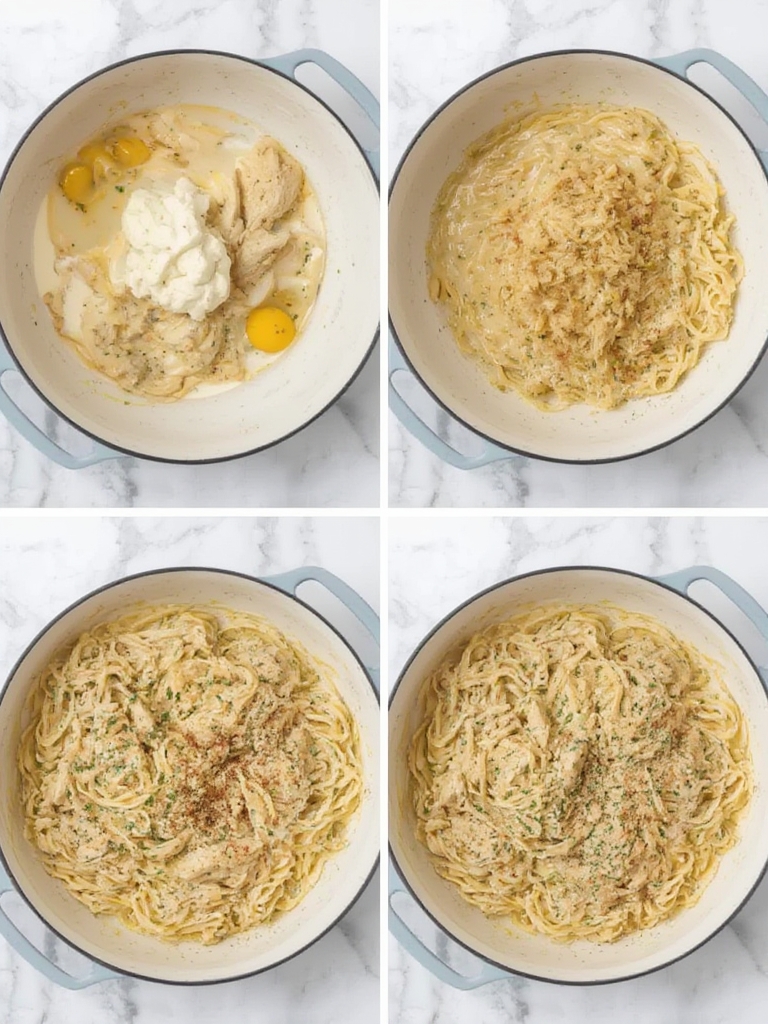
The velvety sauce is the heart of any creamy chicken pasta dish. My foolproof method builds flavor through aromatic base ingredients before creating a roux that thickens the sauce perfectly. Starting with properly sautéed garlic infuses the entire sauce with aromatic complexity.
1. In the same skillet used for chicken, melt 2 tablespoons butter over medium heat
2. Add 3 minced garlic cloves and cook for 30 seconds until fragrant but not browned
3. Sprinkle in 2 tablespoons all-purpose flour and whisk continuously for 1 minute to cook out raw flour taste
4. Slowly pour in ½ cup chicken broth while whisking constantly to prevent lumps
5. Once smooth, add 1 cup heavy cream and bring to a gentle simmer
6. Cook sauce for 3-4 minutes until it coats the back of a spoon
7. Stir in ½ cup freshly grated Parmesan cheese until melted
8. Return cooked chicken to the sauce and simmer for 1-2 minutes to reheat
Common Challenges and How to Overcome Them
Even experienced cooks encounter challenges when making creamy chicken pasta. Understanding potential pitfalls helps you navigate them successfully. Most issues stem from incorrect heat management, improper timing, or not understanding the visual cues of proper sauce development. With a few troubleshooting tips, you can achieve restaurant-quality results consistently.
The most common mistake is rushing the sauce-building process. Patience particularly matters when creating the roux base and when incorporating liquids. Another frequent issue involves pasta texture—either overcooked and mushy or undercooked and tough. By addressing these challenges proactively, you’ll elevate your creamy chicken pasta from good to extraordinary.
Why Is My Sauce Too Thin or Too Thick?
Sauce consistency makes or breaks creamy chicken pasta. If your sauce is too thin, it won’t properly coat the pasta. If too thick, it becomes heavy and gluey rather than silky and luxurious. Achieving the perfect consistency requires understanding how sauces thicken and how to make adjustments.
For thin sauce: Simmer longer to reduce liquid, or create a slurry by mixing 1 teaspoon cornstarch with 1 tablespoon cold water, then whisking into simmering sauce. For thick sauce: Add warm pasta water tablespoon by tablespoon while stirring until reaching desired consistency. The starch in pasta water helps maintain sauce texture while thinning it appropriately.
The perfect creamy sauce should coat the back of a spoon—when you run your finger through it, the line should remain clear without the sauce immediately running back together. This visual cue indicates ideal consistency for coating pasta without becoming heavy or gummy.
How Do I Prevent Curdling in Cream Sauce?
Curdling happens when dairy proteins separate from liquid, creating an unappetizing texture in your creamy chicken pasta. This typically occurs when heat is too high or when cold dairy hits a very hot pan. Preventing curdling requires temperature management and proper technique.
Always bring cream to room temperature before adding to hot ingredients. Add dairy gradually while whisking constantly, which helps it incorporate smoothly. Keep sauce at a gentle simmer rather than boiling after adding dairy components. If your sauce shows early signs of separation, immediately remove from heat and whisk vigorously, sometimes adding a splash of cold cream to quickly lower temperature.
Serving and Storage Tips for Creamy Chicken Pasta
Properly serving and storing creamy chicken pasta preserves its texture and flavor. Timing matters significantly—this dish shines when served immediately after preparation while the sauce maintains its perfect consistency. When plating, use warm dishes to keep the pasta from cooling too quickly, which can cause the sauce to thicken unpleasantly.
Leftover creamy chicken pasta requires special handling to maintain quality. While many pasta dishes improve overnight, cream-based sauces present unique challenges when reheated. With proper storage and gentle reheating techniques, you can enjoy this dish for several days without significant texture degradation.
What Are the Best Accompaniments?
Complete your creamy chicken pasta meal with thoughtfully chosen sides that complement without overwhelming. A bright, acidic salad creates perfect contrast to the rich pasta, while garlic bread provides a vehicle for enjoying every last bit of sauce. Consider these pairings to create a balanced meal:
“I made Chloe’s creamy chicken pasta last night for company, and everyone raved about it! The sauce was perfectly silky, and the step-by-step instructions made me feel like a pro in the kitchen. I’ve tried many pasta recipes before, but this one was foolproof. The tip about gradually adding the cream while whisking constantly really made a difference—no curdling at all! This is definitely going into my regular rotation.” – Sarah from Denver, Colorado
| Side Dish | Why It Works |
|---|---|
| Arugula salad with lemon dressing | Peppery greens and bright acidity cut through richness |
| Garlic bread with herbs | Perfect for soaking up extra sauce |
| Roasted asparagus or broccoli | Adds nutritional balance and complementary texture |
| Dry white wine (Pinot Grigio or Sauvignon Blanc) | Acidity cuts through cream while complementing flavors |
When living in Asheville, I discovered that serving creamy chicken pasta with a simple side of fresh mountain-grown vegetables created the perfect balance. The contrast between rich pasta and fresh vegetables makes for a more satisfying overall meal experience.