Disclaimer: This content is for educational purposes only, not medical advice. Always consult with a doctor before making significant changes to your diet, especially if you have pre-existing health conditions.
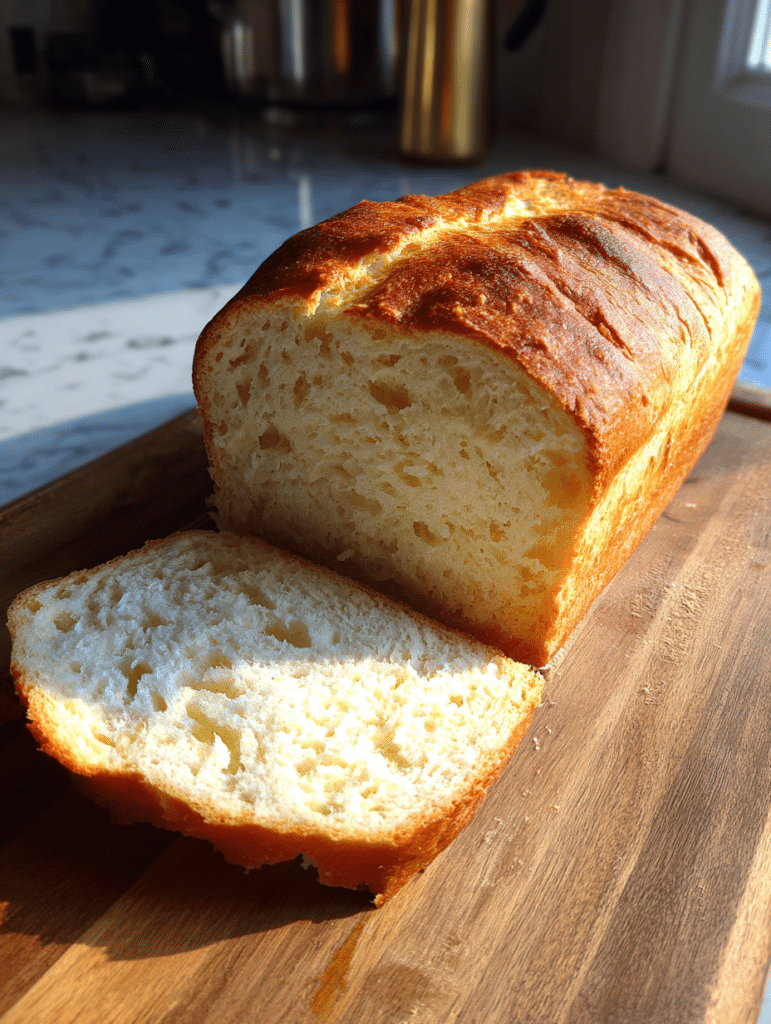
The first time I baked gluten free bread, I thought I nailed it—until I cut into it. The inside was dense and gummy, like an undercooked pancake. I almost gave up on homemade bread altogether. But growing up in Asheville, where food and comfort go hand in hand, I wasn’t ready to settle. After many (many) messy trials, I created a gluten free bread recipe that finally felt like real bread—soft inside, crisp crust, and deeply satisfying.
If you’ve ever struggled with flat, dry, or flavorless gluten free bread, I’ve been right there with you. This recipe is for anyone craving something easy, nourishing, and real—whether you’re new to baking or navigating a gluten free kitchen. You don’t need special tools or hours of prep. Just a few pantry ingredients and a reliable guide.
Through wepostrecipes, I’m here to help you build confidence in the kitchen. My motto is simple: Simplicity first, creativity always. And this bread? It’s one of my proudest kitchen wins.
IN THIS ARTICLE
KEY TAKEAWAYS: What You Need To Know
This gluten free bread recipe is soft, sliceable, and easy to make with one bowl and basic ingredients. It’s ideal for toast, sandwiches, or dipping. You’ll use a gluten free flour blend, yeast, and psyllium husk to create structure and moisture—no weird gums or hard-to-find ingredients. It’s a game-changer for anyone eating gluten free.
Understanding Gluten Free Bread
Why Gluten Free Bread Is So Tricky (And How to Get It Right)
If you’ve ever baked a loaf that turned out brick-hard or wet in the middle, you’re not alone. Gluten free bread is one of the trickiest things to master in a home kitchen—and it’s all because of that missing glue: gluten.
Gluten is a protein found in wheat, rye, and barley. In traditional bread, gluten creates structure and elasticity, allowing the dough to trap air and rise beautifully. Without it? Bread can easily fall flat—literally.
But here’s the good news: With the right mix of flours and moisture-retaining ingredients, you can absolutely make a loaf that rivals wheat-based bread. The key is replacing gluten’s structure and binding power with ingredients that offer similar effects.
Most store-bought breads try to compensate with gums like xanthan or guar gum, but I prefer psyllium husk, which is natural, affordable, and gives bread a chewy texture without the additives. It’s also more forgiving for beginners.
“This recipe reminded me of bakery bread. I’ve tried dozens, but this one finally had the texture I missed.” – Taylor G., reader testimonial
Best Gluten Free Flours to Use (And Which to Skip)
Not all gluten free flours are created equal. Some are gritty. Some are too starchy. Others don’t bind at all. For bread, you need a balanced blend that mimics the protein/starch ratio of all-purpose wheat flour.
Here’s what works well together:
- Brown rice flour – Adds lightness and neutral flavor
- Sorghum flour – Boosts nutrition and softness
- Potato starch – Helps with browning and elasticity
- Tapioca starch – Creates chewiness
- Almond flour (in small amounts) – Adds fat and moisture
If you prefer a store-bought blend, look for one that says “1:1 baking blend” or “for bread,” and includes psyllium husk or a gum alternative.
What to skip:
- Pure coconut flour (too dry)
- Only rice flour (gritty and dense)
- Bean flours (strong taste, heavy texture)
Want to make your own mix? Try a 40% whole grain flour (like sorghum or brown rice) to 60% starches (like potato and tapioca).
If you’re looking to explore more gluten free staples, don’t miss our gluten-free muffins or gluten-free pasta recipe — they follow the same structure-focused philosophy that makes this bread a success.
The Foolproof Gluten Free Bread Recipe
My No-Fail Recipe: Just 7 Ingredients
This is the gluten free bread recipe I wish I had years ago—no complicated methods, no fancy machines, just one bowl and a loaf pan. It makes a soft, golden loaf with a chewy crust and tender crumb that doesn’t fall apart when sliced.
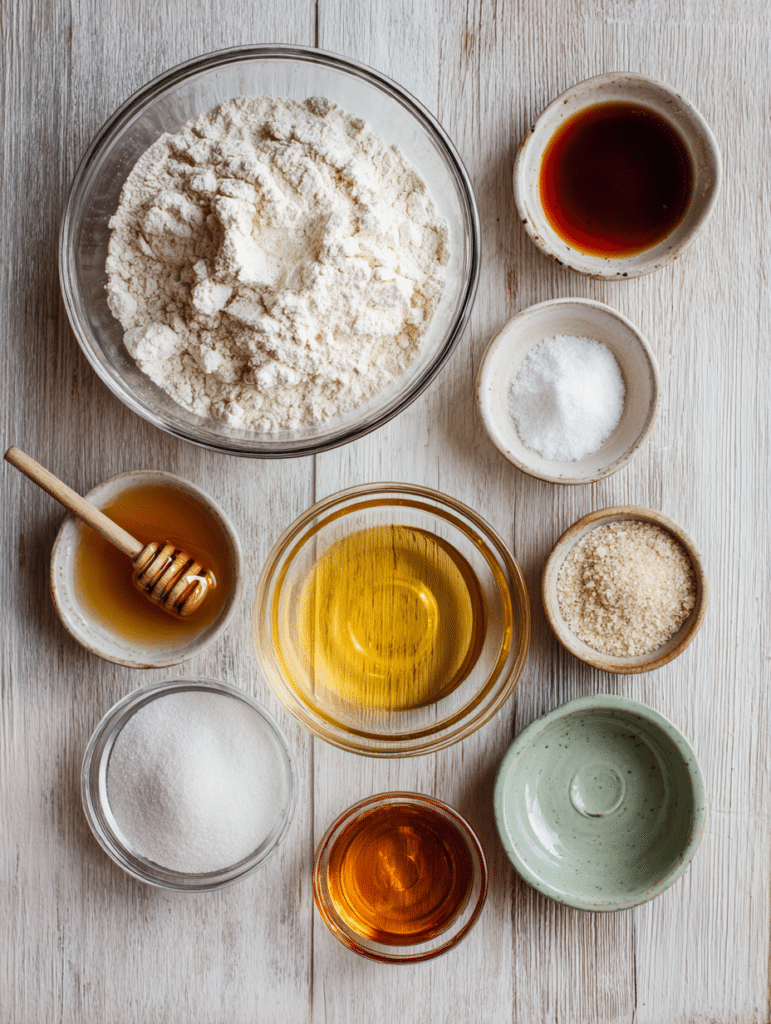
You only need 7 pantry ingredients, plus warm water. Most are probably in your kitchen already.
Here’s the exact list:
Main Ingredients:
- 2 ½ cups gluten free flour blend (with xanthan gum or psyllium husk)
- 2 teaspoons instant yeast
- 1 tablespoon whole psyllium husk (or 2 teaspoons powder)
- 1 tablespoon olive oil
- 1 tablespoon apple cider vinegar
- 1 tablespoon honey or maple syrup
- 1 teaspoon fine sea salt
- 1 ¾ cups warm water (not hot)
No flour blend? Combine: 1 cup brown rice flour, ¾ cup potato starch, ¾ cup tapioca starch + 1 tsp xanthan gum.
Why These Ingredients Work:
- Psyllium husk acts like gluten—it gives stretch and holds moisture
- Vinegar + yeast help the bread rise and neutralize any aftertaste
- Olive oil keeps it soft for days
- Honey or maple syrup gives a subtle flavor and helps the yeast activate
Optional Add-Ins:
- 1 teaspoon garlic powder for flavor
- 2 tablespoons seeds (sunflower, chia, flax)
- Swap olive oil for melted butter for a richer taste
Want to go even simpler? Try this 3 ingredient gluten free bread recipe variant:
- 2 cups self-rising gluten free flour
- 1 ½ cups plain yogurt
- 1 tablespoon olive oil
(Mix, shape into a loaf, bake at 375°F for 40–45 minutes—done!)
If you love low-effort wins, you’ll also enjoy our gluten-free bagels, which use a similar no-knead method and are just as rewarding.
Step-by-Step Method That Works Every Time
You don’t need a stand mixer for this. No kneading. Just a bowl, spoon, and loaf pan.
Step 1: Activate the Psyllium
Mix psyllium husk with the warm water in a large bowl. Let sit for 2–3 minutes until it gels.
Step 2: Mix Dry Ingredients
In a separate bowl, combine:
- Gluten free flour blend
- Yeast
- Salt
Whisk to distribute evenly.
Step 3: Add Wet Ingredients
Pour olive oil, vinegar, and honey into the psyllium gel. Stir well.
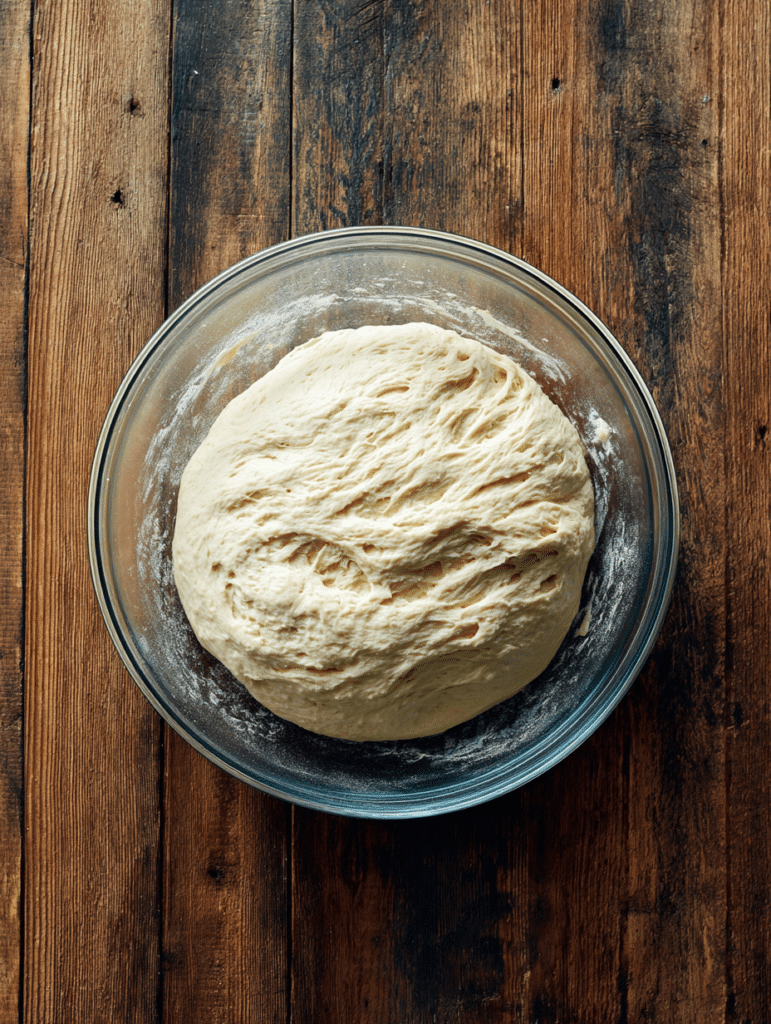
Then add dry mix into the wet. Stir until smooth. Batter will be thick, like a soft dough—don’t add more flour.
Step 4: Transfer and Rise
Scoop dough into a greased 9×5” loaf pan. Smooth the top with wet hands or a spatula.
Cover loosely with a towel and let rise in a warm spot for 45–60 minutes, or until the top domes slightly. It won’t double like wheat bread, but it will puff up.
Step 5: Bake
Preheat oven to 375°F (190°C).
Bake uncovered for 55–60 minutes until the top is golden and firm. It should sound hollow when tapped.
Let cool completely in the pan—at least 1 hour—before slicing. This step is crucial. The structure sets as it cools.
Want to learn about sourdough techniques or build your own starter? I’ve got a full gluten-free sourdough starter guide waiting for you, and a step-by-step gluten-free sourdough bread recipe too.
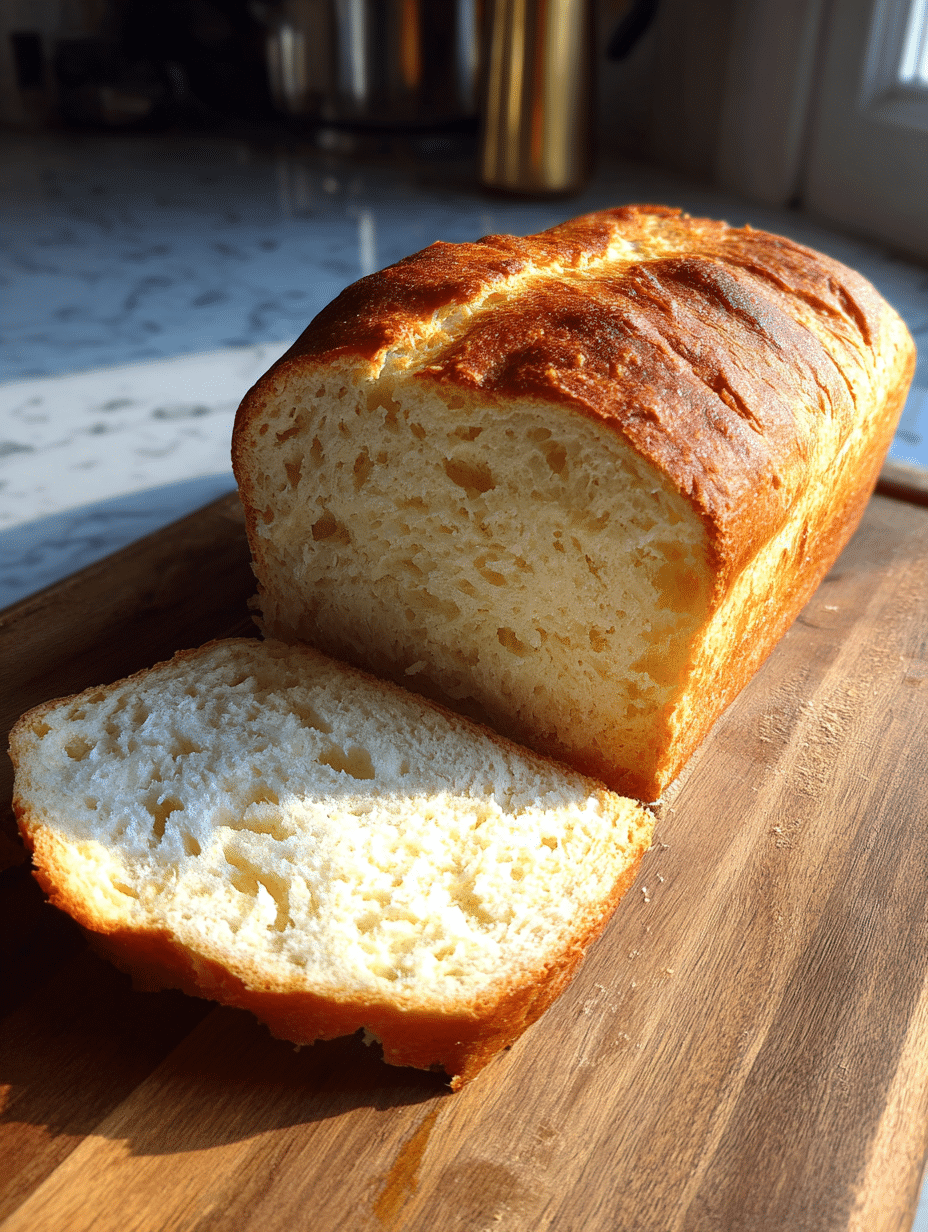
Gluten-free Bread Recipe
Equipment
- large mixing bowl
- whisk
- 9×5-inch loaf pan
- Spatula or wooden spoon
- Digital thermometer (optional) For checking internal temperature
Ingredients
- 2.5 cups gluten free flour blend (with xanthan gum or psyllium)
- 2 tsp instant yeast
- 1 tbsp whole psyllium husk
- 1 tbsp olive oil
- 1 tbsp apple cider vinegar
- 1 tbsp honey or maple syrup
- 1 tsp fine sea salt
- 1.75 cups warm water
Instructions
- Mix psyllium husk with warm water in a large bowl. Let sit for 2–3 minutes until it forms a gel.
- In a separate bowl, whisk together gluten free flour blend, yeast, and salt.
- Add olive oil, vinegar, and honey to the psyllium gel and stir well. Add dry ingredients to wet mixture and stir until smooth. Dough will be thick and soft.
- Transfer dough to a greased 9×5-inch loaf pan. Smooth the top with wet hands or spatula. Cover and let rise in a warm place for 45–60 minutes until slightly domed.
- Preheat oven to 375°F (190°C). Bake uncovered for 55–60 minutes until golden and firm. Internal temperature should reach 205–210°F.
- Let cool completely in the pan for at least 1 hour before slicing.
Notes
Nutrition
Customizing Your Bread
How to Make It Dairy-Free, Egg-Free, or Yeast-Free
Everyone’s kitchen needs are a little different. Good news: this gluten free bread recipe is already naturally dairy-free and nut-free (unless you use almond flour), and it can be easily adapted for other dietary preferences or allergies.
Egg-Free Version
This recipe doesn’t contain eggs to begin with—but if you’re adapting another recipe or looking to add moisture or lift without eggs, try these tested egg substitutes:
- 1 tablespoon flaxseed meal + 3 tablespoons water = 1 flax egg
- 1 tablespoon chia seeds + 3 tablespoons water = 1 chia egg
- 1/4 cup applesauce or mashed banana = adds moisture (note: sweeter flavor)
These are great if you’re working on sweet variations like a cinnamon swirl loaf or sandwich-style bread.
Dairy-Free Tips
This recipe uses water and olive oil, not milk or butter. But if you’re making a variation that includes dairy:
- Swap dairy milk with unsweetened almond, oat, or soy milk
- Use refined coconut oil or plant-based butter for a rich taste
Yeast-Free Option
If you’re yeast-sensitive or just want a faster bread, here’s a baking powder version:
- Replace the yeast with 1 tablespoon baking powder
- Increase vinegar to 2 tablespoons (to activate rise)
- Bake right after mixing—no proofing needed
Results will be more like a dense quick bread, but still delicious.
“I made the yeast-free version and it was surprisingly fluffy. Definitely a keeper!” – Melissa R., reader testimonial
For more hearty dinner pairings, check out our gluten free dinner ideas—they’re packed with simple mains that go perfectly with this bread.
Make It a French Bread or Sandwich Loaf
You’re not stuck with one shape. This recipe is flexible enough to become rolls, French-style baguettes, or even a rustic boule. Here’s how:
Easy Gluten Free French Bread
- Divide dough into 2 portions
- Shape into long logs on a parchment-lined baking sheet
- Brush lightly with olive oil
- Bake at 400°F for 35–40 minutes
You’ll get crusty, airy loaves perfect for dipping or bruschetta.
Soft Sandwich Loaf
- Use a taller loaf pan (8×4 or Pullman)
- Let it rise a bit longer—until it crowns over the pan
- Bake as directed, then cool and slice thin
Great for kids’ lunches or grilled cheese.
Want something a little sweeter and more tender? Try our gluten free banana bread recipe next—it’s a guaranteed crowd-pleaser.
Tip: Always adjust baking time slightly for smaller shapes. Rolls may bake in 25–30 minutes; baguettes around 35.
Troubleshooting & Storage Tips
Common Problems and How to Fix Them
Gluten free bread can be a little fussy, but most issues are easy to correct once you know what’s going wrong. Here’s a quick guide to solving the most common problems.
| Problem | Fix |
|---|---|
| Bread is gummy in the middle | Let it cool completely before slicing; bake 5–10 min longer if needed |
| Loaf collapsed after baking | Over-proofed; reduce rise time or check dough earlier |
| Dry or crumbly texture | Add more moisture (oil, psyllium); store properly |
| Bread didn’t rise much | Check yeast freshness; make sure water isn’t too hot or cold |
Tools That Help:
- A digital thermometer (bread is done at 205–210°F inside)
- A glass loaf pan (browns better than metal in GF baking)
- A cooling rack (prevents soggy bottoms)
“This recipe helped me finally stop wasting flour on bread that fell apart. I followed the steps exactly and it turned out better than store-bought.”
– Jordan C., home baker & gluten free since 2018
How to Store It Without Drying Out
Gluten free bread tends to dry out faster than traditional loaves—but with the right storage, it can stay moist and sliceable for days.
1. Let It Cool Completely First
Cutting warm bread releases steam and dries it out. Wait until it’s room temp before slicing.
2. Use an Airtight Container
Wrap tightly in foil or store in a sealed bread box or reusable bag. Keep at room temperature for 2–3 days.
3. Refrigeration? Only If Necessary
Fridge storage can dry out bread faster. Use it only if your kitchen is warm or humid.
4. Freezer-Friendly Instructions
This bread freezes beautifully:
- Slice it first
- Wrap slices in parchment, then seal in a freezer bag
- Toast or microwave straight from frozen
Planning a weekend batch bake? Pair this with our gluten-free blueberry muffins—they freeze well too and are perfect for grab-and-go breakfasts.
Serving Ideas & Variations
How to Use This Bread (Beyond Toast)
Sure, this gluten free bread recipe makes a mean slice of toast—but its real magic shines in all the ways you can use it throughout the week. Because when bread actually holds together, your options expand fast.
Here are some of our favorite ways to enjoy it:
Sandwich-Ready
- Slice it thin for lunchbox sandwiches
- Layer with turkey, avocado, and mustard
- Grill it for a classic gluten free panini
For Breakfast or Brunch
- Top with mashed avocado and chili flakes
- Use as a base for gluten free French toast
- Toast and slather with nut butter and banana
Side for Dinner
- Brush with garlic butter and broil for gluten free garlic bread
- Dip in soup or chili (try with our dinner recipes)
- Use cubes to make gluten free stuffing or croutons
Creative Uses
- Cube and bake for bread pudding
- Make mini pizzas from slices
- Spread with tomato paste, cheese, and bake
It’s versatile enough to be sweet or savory, and strong enough to hold fillings without crumbling.
“I made grilled cheese with this and couldn’t believe how well it held up—crispy on the outside, soft inside. Better than any store brand.” – Maria V., reader comment
Need a sweet finish? Try pairing with our gluten-free cake for a full GF brunch spread.
Creative Add-Ins and Flavor Variations
Once you’ve mastered the base recipe, you can start experimenting with easy mix-ins and new flavors.
Here are a few tried-and-true variations:
Savory Mix-ins
- Rosemary + sea salt (add to dough and top before baking)
- Chopped olives + garlic powder for Mediterranean flavor
- Caramelized onions folded into the dough
Sweet Twists
- Add 1 teaspoon cinnamon + swirl in honey for a breakfast loaf
- Mix in chopped dates or raisins
- Fold in ½ cup pumpkin puree + warm spices in fall
Banana Bread Inspired
Love banana bread but want something less sweet? Add:
- ½ mashed banana
- 1 tablespoon maple syrup
- Cinnamon + walnuts
Then check out our full gluten free banana bread recipe for a dessert-worthy loaf.
Frequently Asked Questions
What is the secret to good gluten free bread?
The secret is in the structure. Use a well-balanced gluten free flour blend with binding agents like psyllium husk, which mimics gluten’s elasticity. Add moisture with olive oil or yogurt and avoid overbaking. A good rise, correct hydration, and full cooling time also matter.
Does gluten free bread need to rise twice?
No, most gluten free bread recipes—including this one—only need one rise. Because there’s no gluten to stretch and trap gas, a second rise doesn’t improve texture and can lead to collapse.
What flour is best for gluten free bread?
The best gluten free breads use a blend of flours and starches. Look for:
Brown rice flour
Sorghum flour
Potato starch
Tapioca flour
Pre-made baking blends labeled “1:1” or “all-purpose gluten free blend” often work well too.
How do you keep gluten free bread moist?
Use ingredients that hold moisture—olive oil, psyllium husk, or flaxseed meal. Don’t overbake, and let it cool fully before slicing. Store in an airtight container and avoid refrigeration unless necessary.
Can I make gluten free bread without yeast?
Yes! Swap yeast for 1 tablespoon baking powder and increase the vinegar to help with lift. The result is a quick bread—slightly denser, but still tasty and soft inside.
Is it cheaper to make your own gluten free bread?
Absolutely. Homemade loaves cost $2–$3, while store-bought gluten free bread can range from $6 to $9 per loaf. Plus, homemade versions taste better and freeze well.
Final Thoughts
If you’re new to gluten free baking, I hope this recipe reminds you of something important: you can do this. You don’t need expensive ingredients, fancy tools, or a culinary degree. Just a little patience, a solid recipe, and a few honest messes along the way.
This gluten free bread recipe became one of my go-to staples not because it’s perfect—but because it’s real. It’s forgiving. It’s flexible. And it actually tastes good enough to share with friends who aren’t even gluten free.
From that first failed loaf in my Asheville kitchen to now baking weekly for my family, I’ve learned that bread is more than food—it’s comfort. It’s connection. And when it turns out right, it feels like a little win you earned yourself.
So bake it. Slice it. Toast it. Slather it with something you love. And when you’re ready for your next win, try one of my other favorites:
My kitchen motto will always be the same:
Simplicity first, creativity always.
Happy baking!