Disclaimer: This content is for educational purposes only, not medical advice. Always consult with a doctor before making significant changes to your diet, especially if you have pre-existing health conditions.
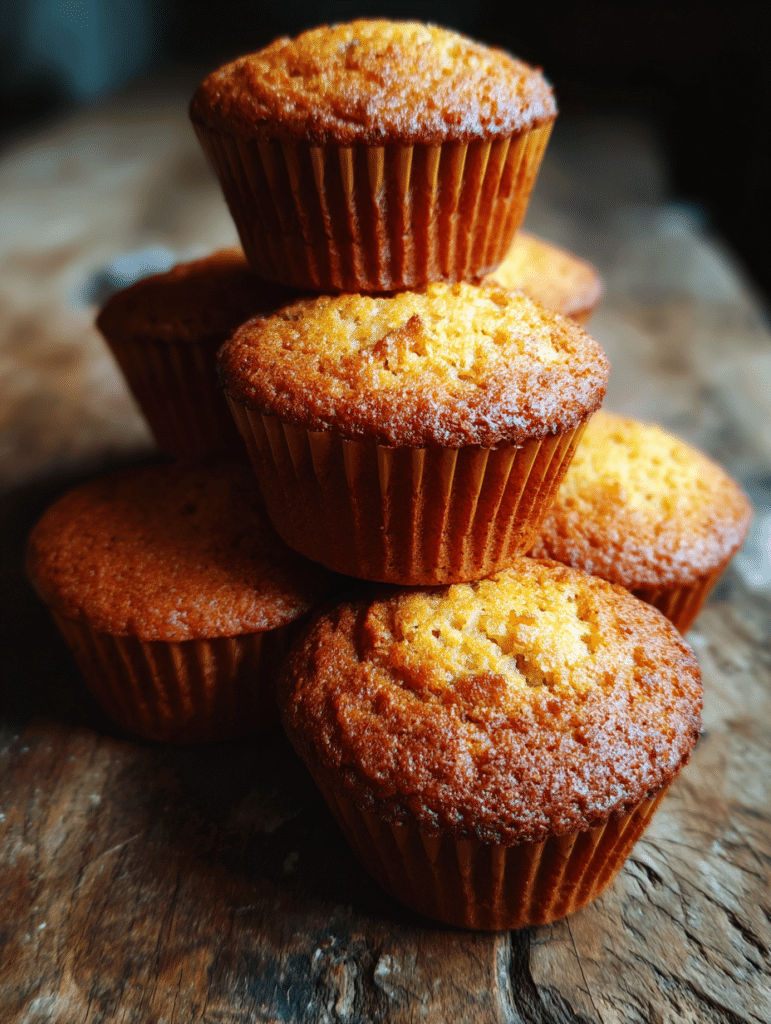
Gluten free muffins are soft, tender baked treats made without wheat flour, using alternative flours that create structure and moisture without gluten. They work for breakfast, snacks, lunchboxes, or dessert. When prepared correctly, they taste just like traditional muffins.
I still remember testing my first batch of gluten free muffins in my Asheville kitchen. I expected dry, crumbly results. Instead, I got dense little bricks. That moment reminded me of the first grilled cheese I burned years ago. Cooking teaches patience. Over time, I adjusted the flour blend, balanced moisture, and simplified the process.
Hi, I’m Chloe White, founder of WE POST RECIPES, and I believe baking should feel approachable. No complicated techniques. No intimidating tools. Just clear steps and balanced ingredients.
If you want the best ever gluten free muffins with simple instructions, you’re in the right place.
IN THIS ARTICLE
KEY TAKEAWAYS: What You Need To Know
- What it is: Gluten free muffins are wheat-free baked goods made with alternative flours.
- Why it matters: They allow people avoiding gluten to enjoy classic muffins safely. According to the CDC, people with celiac disease must avoid gluten completely for long-term health.
- Who it’s for: Anyone with gluten intolerance, celiac disease, or those choosing gluten free meals.
- When to use it: Breakfast, snacks, meal prep, or brunch.
- How to make it: Use a balanced gluten free flour blend, proper moisture, and avoid overmixing.
What Are Gluten Free Muffins and Why Do They Matter?
Gluten free muffins are baked muffins made without wheat, barley, or rye, using alternative flours that replicate structure and softness. They look and taste like traditional muffins when made correctly.
What Makes Gluten Free Muffins Different?
Traditional muffins rely on gluten to:
- Create elasticity
- Trap air
- Provide structure
Without gluten, we rely on:
- Rice flour
- Potato starch
- Tapioca starch
- Xanthan gum
These ingredients mimic gluten’s binding power.
If you’ve already baked my gluten free bread recipe or experimented with gluten free sourdough starter, you know texture becomes the main focus in gluten free baking.
Muffins are more forgiving than bread, which makes them perfect for beginners.
Who Should Eat Gluten Free Muffins?
Gluten free muffins are ideal for:
- People with celiac disease
- People with gluten sensitivity
- Families cooking one meal for everyone
They also fit beautifully into weekly meal prep plans, especially if you already enjoy recipes like gluten free dinner ideas or quick breakfast options.
For a deeper understanding of gluten itself, see https://en.wikipedia.org/wiki/Gluten.
The Story Behind My Best Ever Gluten Free Muffins
The best ever gluten free muffins come from keeping things simple and balanced, not complicated. That lesson took trial, error, and many test batches in my home kitchen.
How I Developed This Gluten Free Muffins Recipe
When I started adapting recipes, I avoided fancy techniques. I focused on:
- Balanced flour blend
- Enough fat for tenderness
- Correct baking temperature
After working on recipes like my gluten free cake and gluten free banana bread recipe, I noticed muffins needed slightly more moisture to stay soft.
That adjustment changed everything.
Why Simplicity Creates Better Results
Many gluten free recipes overcomplicate the process. You don’t need that.
You need:
- Accurate measuring
- Gentle mixing
- Proper bake time
That’s how this gluten free muffins recipe stays approachable and reliable.
And that’s how I build every recipe at WE POST RECIPES — simple steps, clear guidance, realistic expectations.
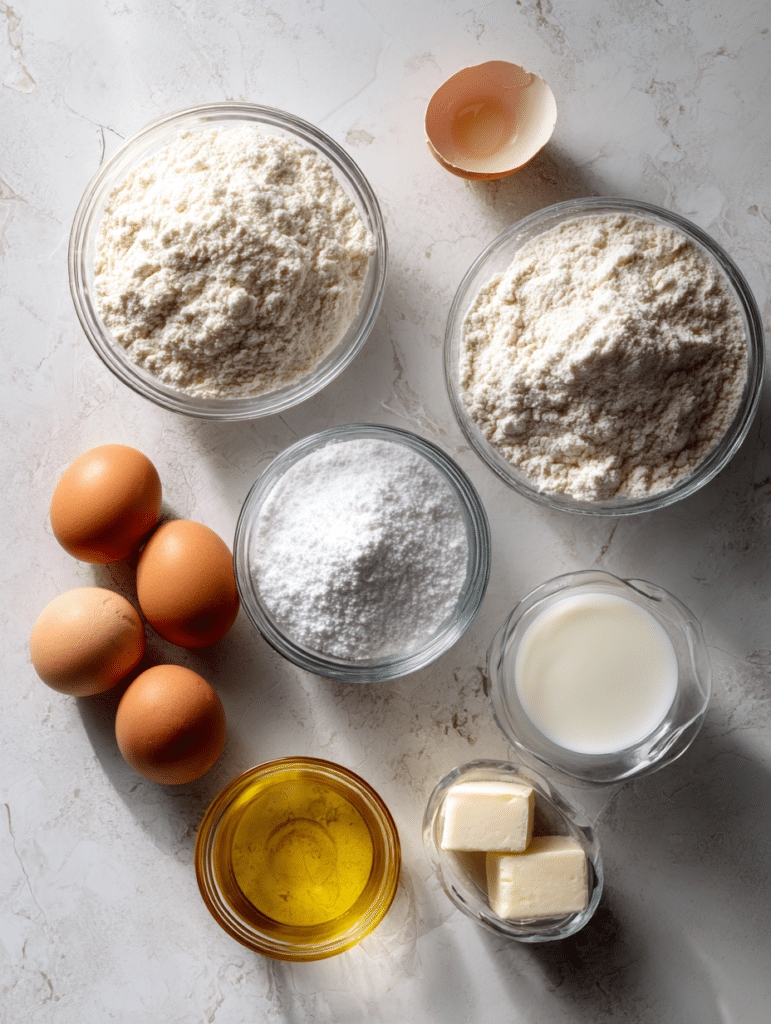
What Ingredients Create the Best Gluten Free Muffins?
The best gluten free muffins use a balanced flour blend, enough fat for tenderness, proper binding agents, and the right liquid ratio. When these elements work together, you get soft, fluffy muffins instead of dry or crumbly ones.
After testing dozens of batches in my Asheville kitchen, I realized something simple: moisture and structure matter more than anything else.
What Is the Best Flour Blend for Gluten Free Muffins Recipe Success?
A reliable gluten free muffins recipe depends on a flour blend that mimics wheat flour structure.
Here’s the simple blend I recommend:
| Ingredient | Purpose |
|---|---|
| White rice flour | Provides structure and neutral flavor |
| Tapioca starch | Adds lightness and flexibility |
| Potato starch | Improves softness and moisture |
| Xanthan gum | Replaces gluten’s binding function |
This combination creates structure without making the muffins dense.
If you’ve already worked with fermented dough in my gluten free sourdough bread or tested structure in my gluten free bread recipe, you know gluten replacement requires balance.
Muffins are more forgiving than bread, but they still need support.
How Do Moisture and Binding Agents Affect Texture?
Gluten free muffins dry out faster than traditional muffins. That’s why fat and liquid matter.
For soft, tender results:
- Use oil or softened butter
- Include eggs for structure
- Add enough milk or yogurt
- Avoid overmixing
Too much flour leads to dry muffins. Too little binding leads to crumbly texture.
When I tested batches alongside my gluten free blueberry muffins, I noticed muffins stay soft when the batter looks slightly thicker than pancake batter but still scoopable.
Ingredients for This Gluten Free Muffins Recipe
Here’s what you’ll need:
- 2 cups gluten free flour blend
- 1 teaspoon xanthan gum (if not included in blend)
- ¾ cup granulated sugar
- ½ cup neutral oil or melted butter
- 2 large eggs
- 1 cup milk
- 2 teaspoons baking powder
- 1 teaspoon vanilla extract
- ¼ teaspoon salt
This base works for:
- Gluten free banana muffins
- Gluten free apple muffins
- Classic vanilla muffins
How Do You Make Gluten Free Muffins Step by Step?
Gluten free muffins come together by mixing dry ingredients separately, combining wet ingredients gently, and baking at the right temperature without overmixing. Proper moisture and minimal stirring create soft, fluffy muffins instead of dense ones.
This method works for beginners and experienced bakers. If you’ve tried my gluten free cake or even my gluten free banana bread recipe, you’ll recognize the same simple structure.
Step-by-Step Gluten Free Muffins Recipe
Step 1: Preheat and Prepare
- Preheat oven to 375°F.
- Line a 12-cup muffin tin with paper liners.
- Let eggs and milk sit at room temperature for 15–20 minutes.
Room temperature ingredients mix more evenly and help your gluten free muffins recipe rise properly.
Step 2: Mix Dry Ingredients
In a large bowl, whisk together:
- Gluten free flour blend
- Xanthan gum (if needed)
- Baking powder
- Salt
- Sugar
Whisking distributes the leavening evenly so muffins rise uniformly.
Step 3: Combine Wet Ingredients
In a separate bowl, mix:
- Oil or melted butter
- Eggs
- Milk
- Vanilla extract
Stir until smooth. Do not overbeat.
Step 4: Combine Wet and Dry
- Pour wet ingredients into dry ingredients.
- Stir gently with a spatula.
- Mix only until combined.
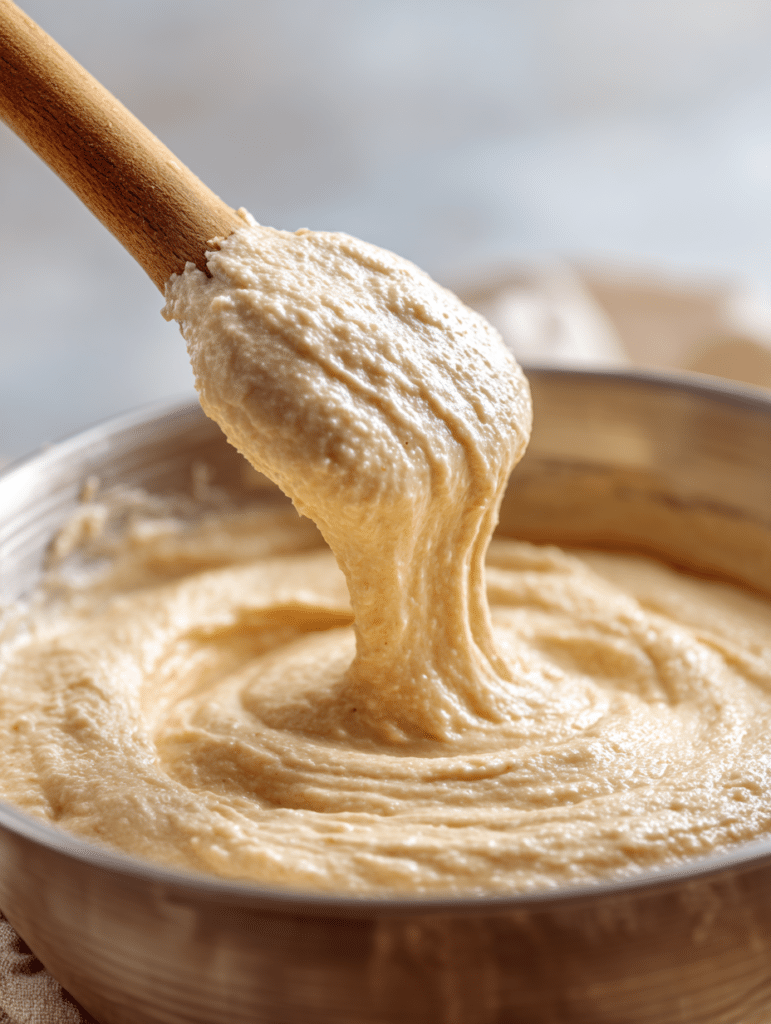
The batter should look thick but scoopable.
Overmixing makes gluten free muffins dense. Stop once no large flour pockets remain.
Step 5: Fill and Bake
- Fill muffin cups about ¾ full.
- Bake for 18–22 minutes.
Insert a toothpick in the center. It should come out clean.
Let muffins cool in the pan for 5 minutes, then transfer to a rack.
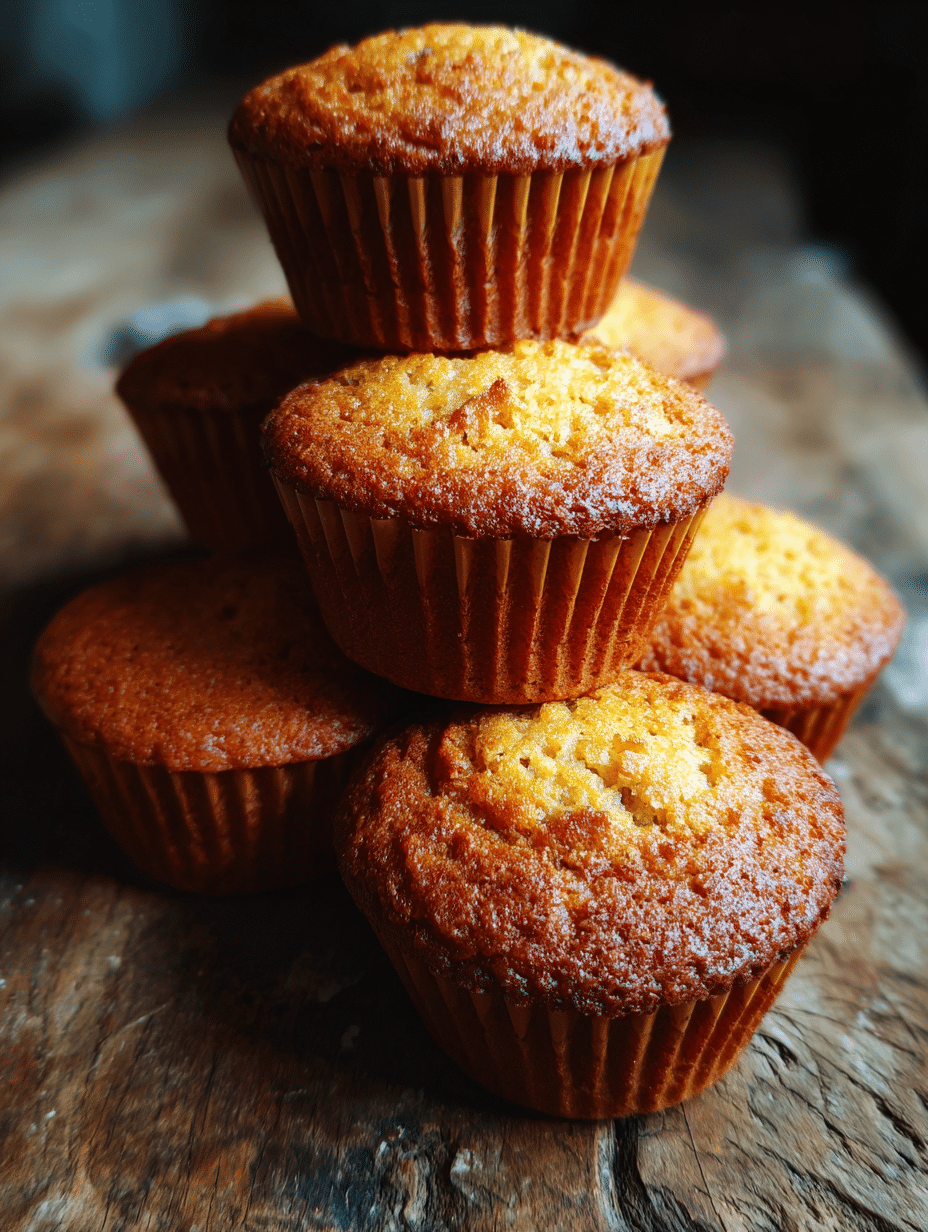
Gluten Free Muffins
Equipment
- 12-cup muffin tin
- paper muffin liners
- large mixing bowl
- whisk
- spatula
- wire cooling rack
Ingredients
- 2 cups gluten free flour blend
- 1 tsp xanthan gum (if not included in blend)
- 3/4 cup granulated sugar
- 1/2 cup neutral oil or melted butter
- 2 large eggs
- 1 cup milk
- 2 tsp baking powder
- 1 tsp vanilla extract
- 1/4 tsp salt
Instructions
- Preheat oven to 375°F. Line a 12-cup muffin tin with paper liners. Let eggs and milk sit at room temperature for 15–20 minutes.
- In a large bowl, whisk together gluten free flour blend, xanthan gum (if needed), baking powder, salt, and sugar.
- In a separate bowl, mix oil or melted butter, eggs, milk, and vanilla extract until smooth.
- Pour wet ingredients into dry ingredients. Stir gently with a spatula until just combined. Do not overmix.
- Fill muffin cups about 3/4 full with batter.
- Bake for 18–22 minutes, or until a toothpick inserted in the center comes out clean.
- Let muffins cool in the pan for 5 minutes, then transfer to a wire rack to cool completely.
Notes
Nutrition
What Common Mistakes Make Gluten Free Muffins Dense?
- Overmixing batter
- Using too much flour
- Skipping xanthan gum
- Overbaking
- Opening the oven too early
If you’ve worked with structure in my gluten free sourdough starter or gluten free bagels, you already know precision matters in gluten free baking.
Flavor Variations – Banana, Apple, and More
You can easily turn this base gluten free muffins recipe into gluten free banana muffins or gluten free apple muffins with simple ingredient adjustments. The structure stays the same. You only adjust moisture and add fruit.
That’s why I love this recipe. It adapts to whatever you have in your kitchen. That’s how I cook at WE POST RECIPES — practical, flexible, and simple.
How Do You Make Gluten Free Banana Muffins?
Gluten free banana muffins stay naturally moist because bananas add both sweetness and structure.
Adjustments:
- Reduce sugar to ½ cup.
- Add 1 cup mashed ripe bananas (about 2 medium bananas).
- Reduce milk to ¾ cup.
Mash bananas until smooth. Fold them into the wet ingredients before combining with dry ingredients.
Bananas add moisture, so avoid overbaking. Check at 18 minutes.
If you already enjoy my gluten free banana bread recipe, you’ll notice this version feels lighter but just as flavorful.
How Do You Make Gluten Free Apple Muffins?
Gluten free apple muffins bring texture and natural sweetness.
Adjustments:
- Add 1 cup finely diced apples.
- Add ½ teaspoon cinnamon.
- Keep liquid the same.
Fold apples into the batter gently after mixing wet and dry ingredients.
For softer texture:
- Use peeled apples.
- Dice them small and evenly.
Apple muffins pair well with brunch spreads alongside recipes like gluten free blueberry muffins or even savory items from gluten free dinner ideas.
Other Flavor Ideas
Once you master this gluten free muffins recipe, try:
- Chocolate chips
- Lemon zest
- Blueberries
- Chopped nuts
The base recipe remains stable because the flour blend and moisture stay balanced.
Frequently Asked Questions About Gluten Free Muffins
What Is the Secret to Moist Gluten Free Muffins?
The secret to moist gluten free muffins is balanced fat, proper liquid ratio, and avoiding overbaking. Use oil or melted butter for tenderness. Measure flour carefully. Remove muffins as soon as a toothpick comes out clean.
Gluten free baked goods dry faster than traditional ones, so timing matters.
Can I Substitute Regular Flour with Gluten Free Flour in Muffins?
Not always. You cannot simply swap wheat flour with gluten free flour in every recipe.
A successful gluten free muffins recipe adjusts:
Liquid amount
Binding agents like xanthan gum
Fat content
Using a tested gluten free blend gives better results than guessing measurements.
Why Are My Gluten Free Muffins Crumbly?
Gluten free muffins turn crumbly when:
There is not enough binding agent
The flour ratio is too high
The batter lacks moisture
They are overbaked
Eggs and xanthan gum help create structure. Proper measuring prevents dryness.
How Do I Store Gluten Free Muffins Properly?
Store gluten free muffins:
In an airtight container at room temperature for 2–3 days
Wrapped tightly to prevent drying
In the refrigerator up to 5 days
Bring to room temperature before serving for best texture.
If you prepare weekly meals like I do with gluten free dinner ideas, muffins store beautifully for grab-and-go breakfasts.
Can I Freeze Gluten Free Muffins?
Yes. Freeze muffins in an airtight container for up to 2 months.
For best results:
Cool completely first
Wrap individually
Thaw at room temperature
Freezing helps maintain moisture in your best ever gluten free muffins.
What Makes Gluten Free Muffins Rise Well?
Proper rising depends on:
Fresh baking powder
Correct oven temperature (375°F)
Not opening the oven early
Filling cups ¾ full
Structure comes from eggs and starch balance. Leavening creates lift.
Final Thoughts – Simple Baking, Confident Results
Gluten free muffins are wheat-free baked treats made with alternative flours that stay soft and flavorful when prepared correctly. They matter because they allow families to enjoy classic muffins safely. Anyone can make them with simple steps.
When I started baking in my Asheville kitchen, I believed mistakes meant I wasn’t good at cooking. I burned grilled cheese. I made dense muffins. I doubted myself. But cooking is practice, not perfection.
At WE POST RECIPES, I focus on approachable, balanced recipes that real home cooks can follow. Whether you love my gluten free cake, experiment with gluten free sourdough bread, or enjoy sweet options like gluten free blueberry muffins, this muffin recipe fits right into your routine.
You don’t need complicated tools. You need clarity and confidence.
Simplicity first. Creativity always.