Disclaimer: This content is for educational purposes only, not medical advice. Always consult with a doctor before making significant changes to your diet, especially if you have pre-existing health conditions.
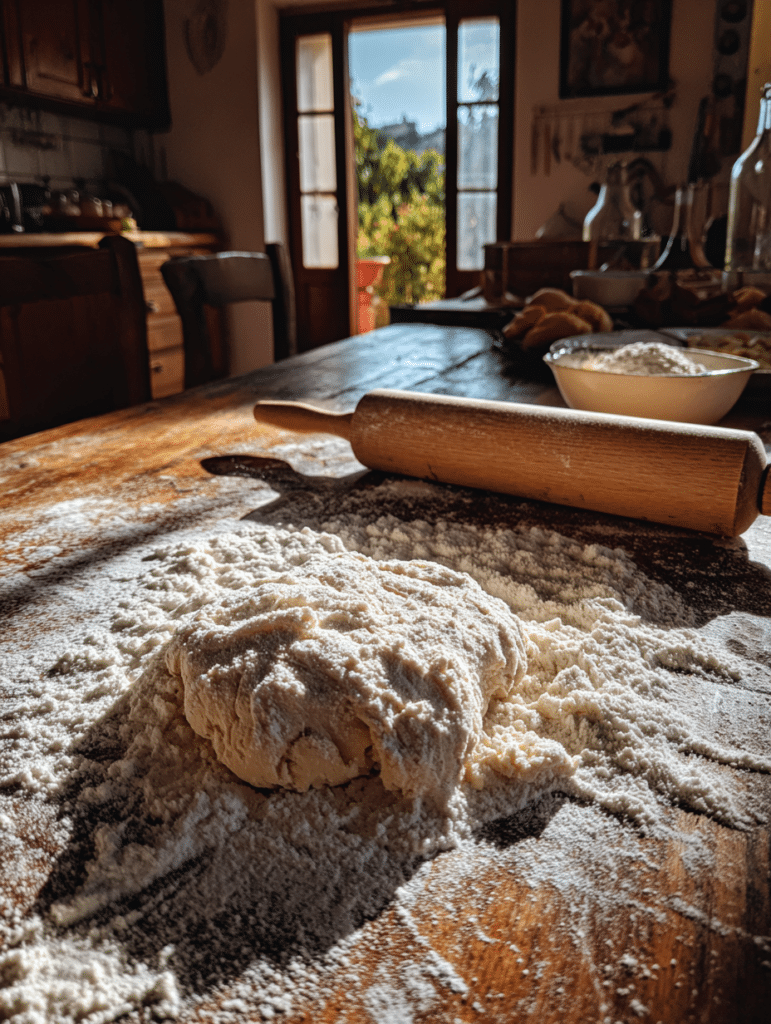
Growing up in Asheville, I always thought pasta came from a box, and gluten-free pasta? That wasn’t even on my radar until much later. I still remember the first time I tried to make pasta from scratch. The dough fell apart, stuck to everything, and turned to mush when I cooked it. But I didn’t give up, and now, I’m here to share how you can skip all that trial and error.
This gluten free pasta recipe is my go-to for cozy nights, potluck dinners, and Sunday prep. It’s simple, satisfying, and uses ingredients you probably already have. Whether you’re new to gluten-free cooking or just want pasta that doesn’t fall apart, you’re in the right place.
At wepostrecipes, my mission is to make home cooking less intimidating. I don’t come from a fancy food background, just a deep love for comforting, creative meals that anyone can make. If I can do it, you absolutely can too.
IN THIS ARTICLE
KEY TAKEAWAYS: What You Need To Know
This gluten free pasta recipe is beginner-friendly, budget-conscious, and made with everyday ingredients. You’ll learn how to make soft, pliable dough that holds together, cooks perfectly, and works for any shape, fettuccine, ravioli, or penne.
What Is Gluten Free Pasta, Exactly?
Gluten free pasta is pasta made without any wheat, barley, or rye—grains that contain gluten. Instead, it’s crafted from alternative flours like brown rice, millet, quinoa, or corn. The goal is simple: replicate the chewy, satisfying bite of traditional pasta without triggering gluten sensitivity or celiac symptoms.
Unlike store-bought gluten free pasta that often turns mushy or brittle, a homemade gluten free pasta recipe gives you control over both flavor and texture. And let’s be honest: it just tastes better fresh.
You don’t need to be a chef or own a pasta machine either. This recipe uses basic tools and straightforward ingredients to create a dough that’s easy to roll, shape, and cook. Whether you’re gluten-intolerant, cooking for a loved one, or just experimenting, homemade pasta can be incredibly rewarding.
If you’re looking for a good place to start with gluten free baking, my gluten-free bread recipe follows the same “simplicity first” philosophy.
Why Homemade Gluten Free Pasta Matters
Making your own gluten free pasta might sound ambitious, but here’s why it matters:
- Control over ingredients: No fillers, additives, or hidden wheat-based thickeners.
- Customizable texture: You choose the flour blend based on your needs—rice flour for softness, chickpea flour for protein, or a mix for balance.
- Cost savings: One bag of gluten free flour goes further than multiple boxes of pre-made pasta.
- Fresh flavor: Store-bought can’t compete with the richness and chew of freshly made dough.
And let’s not forget the joy of making something from scratch. For me, this process reminds me of when I first started getting comfortable in the kitchen—after many burnt grilled cheeses and soggy noodles. Now, homemade pasta is part of my regular dinner rotation, right alongside cozy loaves of gluten-free sourdough bread.
Even if you’ve struggled before, this recipe is different. It’s tested, simple, and made for real home cooks like us.
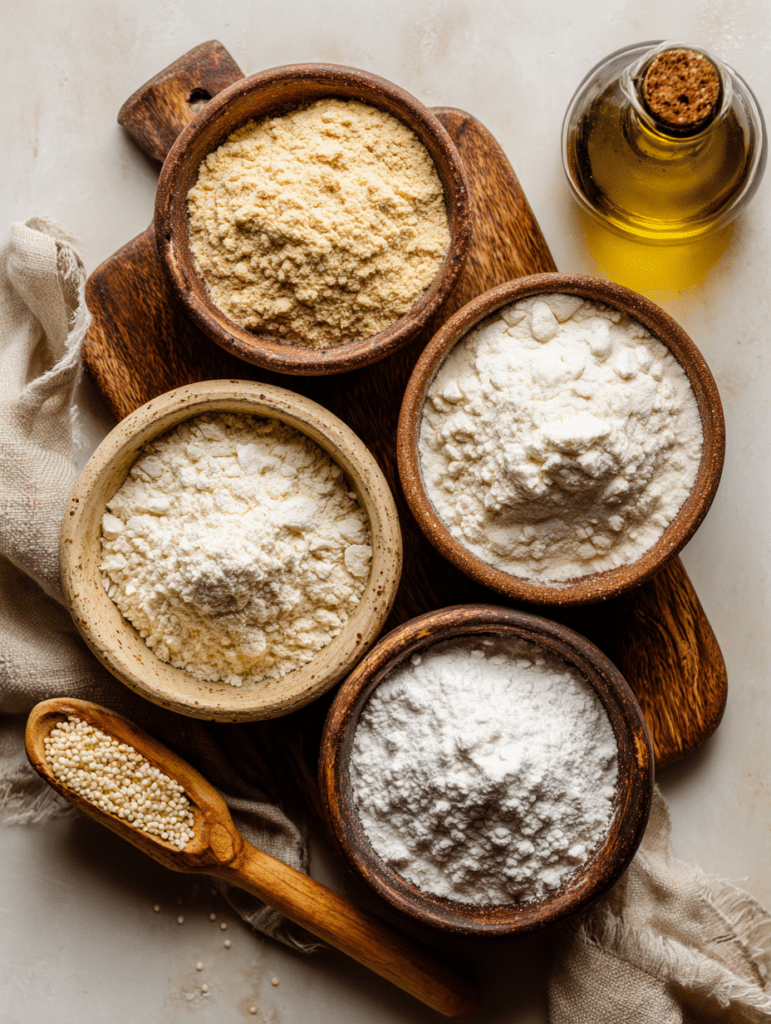
Choosing the Right Gluten Free Flours
Flour is everything when it comes to pasta. With gluten free cooking, the type of flour (or blend) you use makes all the difference in texture, taste, and structure.
So, which ones work best?
- Brown rice flour brings a light, neutral base.
- Sorghum flour adds mild sweetness and elasticity.
- Millet flour gives a soft, tender bite.
- Tapioca starch and arrowroot add chew and pliability.
- Chickpea flour or white rice flour can round it out with body.
Most gluten free pasta dough recipes use a blend of 2–3 flours plus a binder (like xanthan gum or psyllium husk). This creates structure that mimics gluten without falling apart during rolling or boiling.
If you’re new to gluten free cooking, I recommend starting with a pre-mixed 1:1 all-purpose gluten free flour. Just make sure it’s certified gluten free, especially if you’re cooking for someone with celiac disease.
Want more guidance on working with gluten free flours? My tutorial on building a gluten-free sourdough starter walks through key flour behaviors step by step.
Store-Bought vs DIY Blends: Which Is Better?
There’s no single right answer—each has its place. Here’s how they compare:
| Blend Type | Pros & Cons |
|---|---|
| **Store-Bought GF Flour Mix** | Easy and consistent, but often includes starch fillers. Great for beginners. |
| **DIY Blend** | Customizable texture and flavor. Requires more ingredients and testing. |
My advice? Try both. Start simple, then experiment once you’re comfortable. That’s how I moved from boxed mixes to baking my own gluten-free bagels from scratch.
And remember: always check for cross-contamination warnings on flour labels. Even trace amounts of gluten can affect sensitive individuals.
Step-by-Step Dough Instructions
Let’s get right into it—making gluten free pasta dough isn’t hard, but it is different from traditional pasta. The key is getting the texture just right: soft, flexible, and not too sticky.
Here’s my go-to gluten free pasta dough recipe:
Ingredients:
- 1 ½ cups gluten free flour blend (with xanthan gum included)
- ½ cup tapioca starch (for flexibility)
- 3 large eggs (room temp)
- 1 tbsp olive oil
- ½ tsp salt
- Water (1 tbsp at a time, if needed)
Instructions:
- Create a well in the center of your flour mix on a clean counter or in a bowl.
- Crack in the eggs, add olive oil and salt to the center.
- Mix gradually, pulling flour into the wet ingredients using a fork or your hands.
- Knead for 3–5 minutes until a smooth, elastic ball forms. Add a splash of water if it’s dry, or more flour if sticky.
- Wrap and rest for 30 minutes at room temperature to hydrate fully.
That rest period is non-negotiable—it lets the flour absorb the moisture, creating structure. I skipped this once and my dough crumbled like sand. Lesson learned.
For a hands-on feel similar to shaping bagels, check out my gluten-free bagel recipe—it uses similar dough behavior principles.
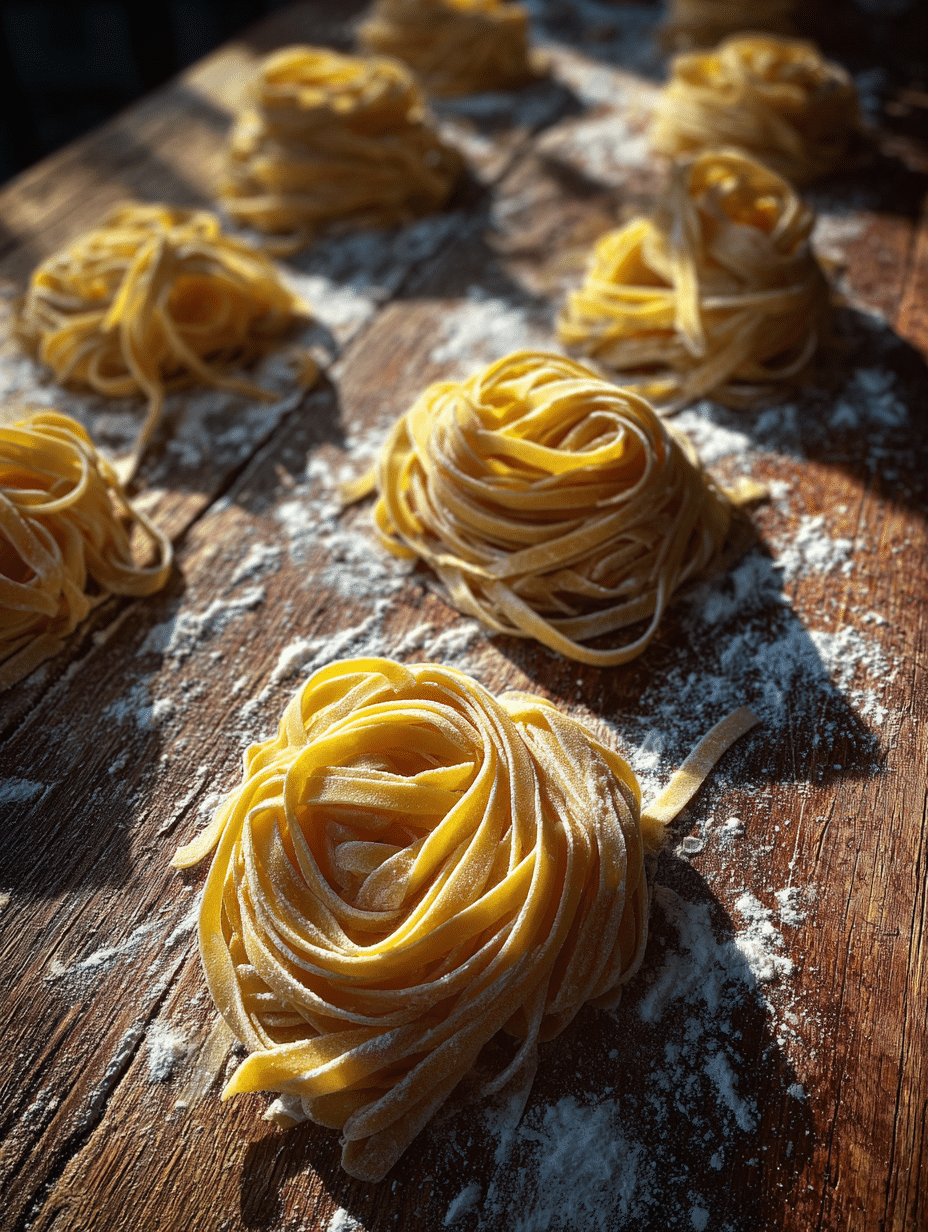
Gluten-free Pasta Dough
Equipment
- Mixing bowl or clean surface
- Fork or hands for mixing
- Plastic wrap or towel
- Rolling pin or pasta machine
- Large pot for boiling water
Ingredients
- 1.5 cups gluten free flour blend (with xanthan gum)
- 0.5 cup tapioca starch
- 3 large eggs, room temperature
- 1 tbsp olive oil
- 0.5 tsp salt
- water, as needed (1 tbsp at a time)
Instructions
- Create a well in the center of your flour mix on a clean counter or in a bowl.
- Crack in the eggs and add olive oil and salt to the center.
- Gradually mix the flour into the wet ingredients using a fork or your hands.
- Knead for 3–5 minutes until a smooth, elastic dough forms. Add water if dry or more starch if sticky.
- Wrap the dough and let it rest for 30 minutes at room temperature.
- Roll out the dough between parchment paper or using a floured surface. Shape into desired pasta forms.
- Cook in boiling salted water for 2–4 minutes. Stir gently and test for doneness.
Notes
Nutrition
Texture Secrets & Troubleshooting
Let’s solve the most common gluten free pasta dough struggles:
- Too dry & cracking? Add water slowly, 1 tsp at a time. Use a damp towel while working.
- Too sticky? Dust with tapioca starch—don’t overdo flour, or it’ll turn rubbery.
- Dough not holding shape? You may need to add a binder. Try ½ tsp of xanthan gum or 1 tbsp psyllium husk powder.
Pro tip: Roll the dough between parchment paper or use a pasta machine with extra flour dusted on the rollers.
Still nervous? Don’t be. Making dough takes practice—but once you nail the feel, it becomes second nature. It’s no different than when I started with gluten-free banana bread and slowly built confidence in balancing ingredients.
Cooking Tips for Perfect Texture
Gluten free pasta dough behaves differently from wheat-based dough—so cooking it well is crucial. If you’ve ever had mushy, sticky noodles, it likely came down to water timing and texture.
Here’s how to cook it right every time:
- Boil a large pot of salted water. Use more water than usual—this helps prevent sticking.
- Add pasta only after water reaches a rolling boil.
- Fresh pasta cooks fast—usually in 2–4 minutes. Don’t walk away.
- Stir gently to separate pieces as it cooks.
- Test early and often—gluten free pasta goes from perfect to mush quickly.
Avoid common myths like adding oil to the water. It doesn’t prevent sticking and can actually coat the pasta, preventing sauce from adhering.
For delicate shapes like fettuccine or stuffed pasta, cook in small batches. Drain gently and don’t rinse—rinsing removes starch that helps sauce stick.
Want to serve this pasta with a hearty gluten-free entrée? Pair it with one of my gluten-free dinner ideas for a complete meal.
Shaping & Storing Your Pasta
Whether you’re rolling by hand or using a pasta machine, gluten free dough is very forgiving—once you learn its texture.
Shaping Tips:
- For fettuccine or spaghetti: Roll out the dough to ⅛” thick, then cut using a knife or pasta cutter.
- For ravioli: Use a cookie cutter or glass to form rounds. Add filling, seal with water, and press edges.
- For penne or shapes: Use a gnocchi board or hand-roll into cylinders and cut.
Dust often with tapioca or rice flour to prevent sticking.
Storage Tips:
- Fresh dough: Wrap and refrigerate up to 24 hours.
- Fresh-cut pasta: Dust with flour, dry on a rack, and refrigerate for 2 days or freeze up to 2 months.
- Cooked pasta: Toss with a little oil and store in an airtight container for up to 3 days.
For best results, always cook from fresh or frozen—never thaw frozen gluten free pasta before cooking. It breaks apart easily when thawed.
This process is easier than you think—I remember being afraid of rolling dough at all when I first made gluten-free muffins, and now it’s just a calming Sunday routine.
Vegan Gluten Free Pasta Recipe Ideas
Want to skip the eggs? No problem. A vegan gluten free pasta recipe is just as easy—and still delicious.
Here’s my go-to vegan dough:
Vegan Pasta Dough:
- 1 ½ cups gluten free flour blend
- ½ cup tapioca starch
- 2 tbsp olive oil
- ½ cup warm water
- 1 tbsp ground flaxseed + 2.5 tbsp water (flax egg)
- ½ tsp salt
How to Make It:
- Mix flaxseed and water; let sit 5 minutes to gel.
- Combine dry ingredients, then add flax egg, oil, and warm water.
- Mix and knead until smooth.
- Wrap and rest for 30 minutes before rolling and shaping.
The texture is slightly softer than egg pasta but works beautifully for fettuccine, lasagna sheets, or even hand-cut noodles. If you love experimenting, this dough pairs perfectly with roasted veggies or creamy sauces made from cashews or coconut milk.
For a sweet and savory contrast, serve with a slice of gluten-free cake—I do this often for cozy Sunday dinners.
Gluten Free Pasta Salad Recipe & More Creative Variations
Not in the mood for hot pasta? A gluten free pasta salad recipe is a perfect option for make-ahead lunches, picnics, or meal prep.
Here’s one of my most requested combos:
Simple Pasta Salad:
- Cooked and cooled gluten free penne
- Cherry tomatoes
- Kalamata olives
- Cucumbers
- Red onion
- Dairy-free feta
- Lemon-olive oil dressing with fresh herbs
Tips:
- Toss gently to avoid breaking the pasta
- Chill for at least 1 hour to let flavors meld
- Don’t overcook the pasta—it needs to hold shape
This recipe is a staple in my house, right next to picnic-friendly favorites like gluten-free blueberry muffins.
More Variations to Try:
- Spinach & chickpea stuffed ravioli
- Pumpkin gnocchi with sage butter
- Pasta primavera with seasonal veggies
- Lasagna with lentil bolognese (vegan)
These recipes prove one thing: gluten free cooking doesn’t have to be boring—it can be playful, comforting, and full of creativity.
Frequently Asked Questions
What gluten free pasta is best?
The best gluten free pasta depends on your needs. For store-bought, brown rice or corn-based pastas offer great texture. For homemade, a blend of rice flour and tapioca starch delivers excellent bite and elasticity.
What is gluten free pasta made from?
Gluten free pasta is made from non-wheat flours such as brown rice, corn, quinoa, chickpeas, or a mix of gluten free starches and binders. It’s safe for people with celiac disease or gluten sensitivity.
How do you keep gluten free pasta from falling apart?
To prevent gluten free pasta from falling apart, use a quality flour blend with binders like xanthan gum. Let the dough rest before rolling and cook it in boiling water for only 2–4 minutes. Stir gently.
Can I make gluten free pasta dough ahead of time?
Yes, you can make gluten free pasta dough ahead. Wrap it tightly in plastic wrap and refrigerate for up to 24 hours. Let it come to room temperature before rolling to prevent cracking.
Is gluten free pasta healthier than regular pasta?
Gluten free pasta isn’t inherently healthier than regular pasta, it depends on the ingredients. Some blends are nutrient-rich, especially those with legumes or whole grains. Others are high in starch with fewer nutrients.
How do you store homemade gluten free pasta?
Store cut gluten free pasta in the fridge for 2 days or freeze it raw for up to 2 months. Cooked pasta should be kept in an airtight container, tossed in a little oil, and eaten within 3 days.
Final Thoughts & Serving Suggestions
Making gluten free pasta at home might seem daunting, but once you try it, you’ll see it’s easier—and tastier—than most boxed options. Whether you’re keeping it simple with classic fettuccine or getting fancy with ravioli or a vegan twist, this recipe delivers comfort without compromise.
And that’s what I’m all about here at wepostrecipes. As a home cook who started with zero confidence (and more than a few kitchen fails), I believe that the best meals come from trying, tweaking, and just showing up in your kitchen. Not perfection—progress.
Want to turn this pasta into a full meal? Pair it with any of these:
- My hearty gluten-free dinner ideas
- A slice of gluten-free banana bread for dessert
- Or prep ahead with these gluten-free muffins for grab-and-go lunches
Here’s what one reader shared with me:
“I’ve tried so many gluten free pasta recipes, and this one was finally easy to follow! My kids couldn’t tell the difference. Thanks, Chloe!”
— Jenna P., Asheville, NC
So whether you’re avoiding gluten for health, cooking for loved ones, or just curious, this recipe is yours to make your own. Keep it simple. Keep it fun. And don’t forget to grab your apron.