Disclaimer: This content is for educational purposes only, not medical advice. Always consult with a doctor before making significant changes to your diet, especially if you have pre-existing health conditions.
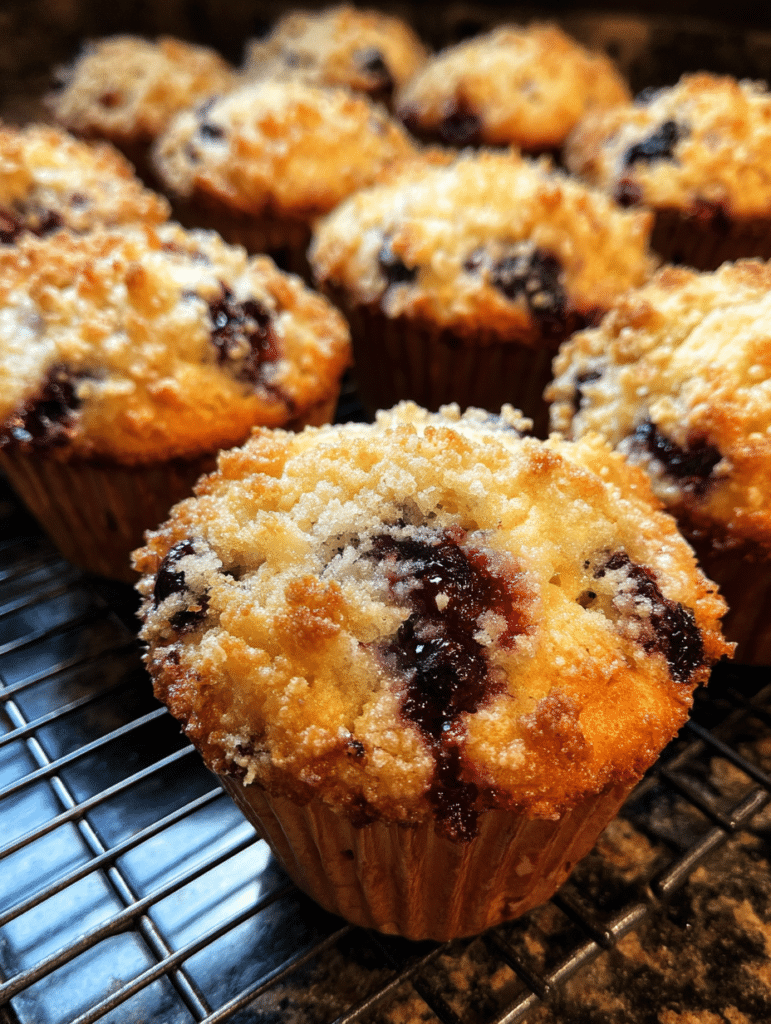
Gluten free blueberry muffins are soft, fruity, and wholesome baked treats made without any wheat-based flour. Instead of traditional all-purpose flour, they use naturally gluten-free alternatives like almond flour or certified gluten-free blends. These muffins are ideal for anyone avoiding gluten—whether due to celiac disease, gluten sensitivity, or personal choice.
Unlike their wheat-based counterparts, these muffins stay tender and moist thanks to the higher fat content in ingredients like almond flour. They deliver a slightly nutty flavor, a delicate crumb, and juicy bursts of blueberry in every bite. Whether you’re gluten intolerant or simply trying to make better food choices, they’re a smart and satisfying option for breakfast or snack time.
If you’ve ever bitten into a gluten free baked good and found it dry, crumbly, or bland, you’re not alone. But these muffins change that perception. Made right, the best gluten free blueberry muffins can be just as fluffy and flavorful as traditional ones, if not better.
A key reason why they matter? Accessibility and comfort. Whether you’re new to gluten free baking or cooking for someone with dietary restrictions, muffins like these make breakfast easy and welcoming. There’s no sacrifice in flavor, and they’re a great starter recipe for those just beginning their gluten free journey.
Need a simple gluten free baked good to try first? These muffins pair wonderfully with our classic gluten-free muffins or our no-fuss gluten-free bread recipe, which both rely on the same pantry-friendly ingredients and flexible prep methods.
In a world where many gluten free recipes feel complicated or intimidating, these muffins are proof that you don’t need fancy flours or multiple trips to the health food store. They’re about simplicity—and flavor that brings everyone to the table, gluten free or not.
IN THIS ARTICLE
KEY TAKEAWAYS: What You Need To Know
These gluten free blueberry muffins are light, fluffy, and full of real blueberry flavor. Made with almond flour and simple pantry ingredients, they’re easy to bake even for beginners. Ready in under 30 minutes, they’re the perfect quick breakfast or snack, gluten free and totally satisfying.
The Best Gluten Free Blueberry Muffin Recipe (From Scratch)
With tips to keep them moist and fluffy
Finding the best gluten free blueberry muffin recipe isn’t about mimicking the exact texture of traditional muffins—it’s about creating a version that’s equally satisfying in its own way: soft, moist, and bursting with juicy blueberries.
This recipe hits every mark. It’s made from scratch, doesn’t require a mixer, and works with both fresh and frozen berries. You’ll need a gluten free flour blend or almond flour, baking powder, a touch of cinnamon, eggs, oil, and a sweetener like maple syrup or coconut sugar. Each ingredient is carefully chosen to support texture, flavor, and moisture without gluten.
Why this muffin recipe works:
- Moisture-rich ingredients like almond flour, oil, and eggs prevent dryness
- Balanced structure from a blend of starches and proteins in gluten free flours
- Natural sweetness from blueberries and your choice of unrefined sugar
- No weird aftertaste thanks to clean, minimal ingredients
This recipe is also easy to customize. Want to make it dairy free? Use almond milk or oat milk. Watching sugar? Swap in mashed banana or unsweetened applesauce for part of the sweetener. The result? Soft, golden muffins with a tender crumb and pops of berry in every bite.
Here’s a quick overview of the ingredients:
| Main Ingredients | Purpose |
|---|---|
| Almond Flour or Gluten Free Blend | Base structure, moisture, flavor |
| Eggs | Binding and lift |
| Maple Syrup or Coconut Sugar | Sweetness and caramelization |
| Blueberries | Flavor, texture, and color |
The biggest mistake people make? Overmixing the batter. Gluten free flours don’t behave like wheat—so once the wet and dry ingredients are combined, stir just until there’s no dry streaks left.
Want to round out your gluten free baking? These muffins pair beautifully with a slice of gluten-free banana bread or a light slice of gluten-free cake for a special brunch spread.
This recipe isn’t just about being gluten free. It’s about being simple, delicious, and welcoming to everyone at your table. That’s what makes it the best.
Using Almond Flour for Muffins: Why It Works
And how to get the perfect texture every time
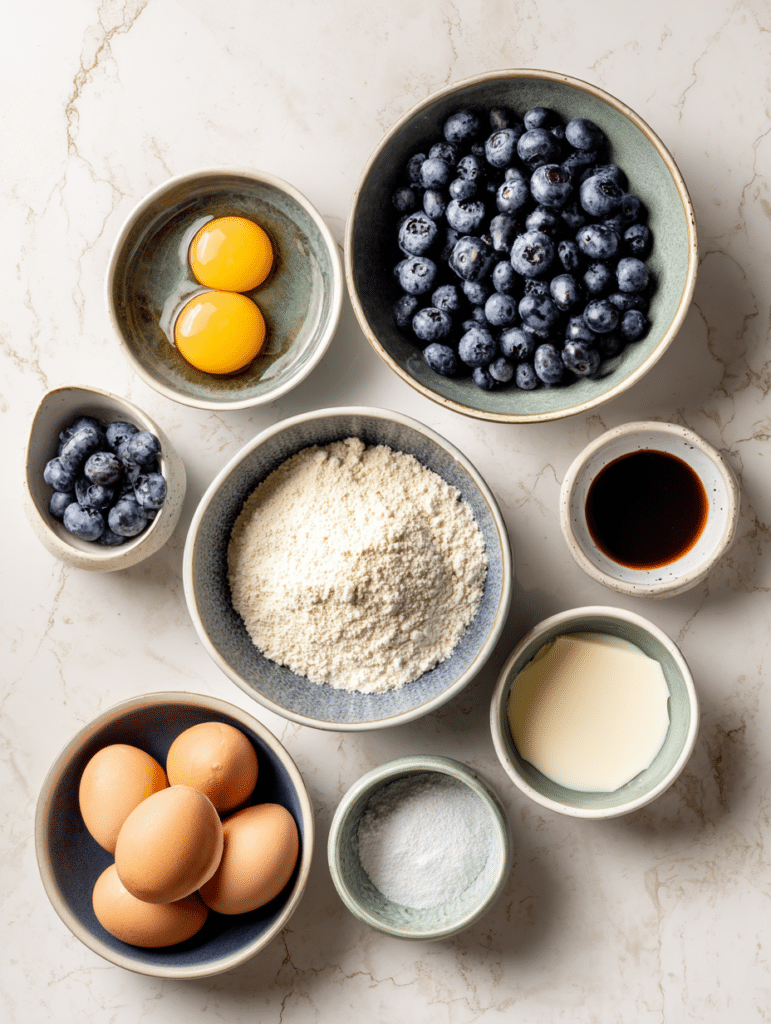
If you’re aiming for gluten free muffins that feel tender—not gritty or dry—almond flour is your secret weapon. It’s one of the most essential ingredients for baking gluten free blueberry muffins with almond flour, and for good reason.
Almond flour adds moisture, richness, and a subtle nutty flavor that enhances blueberries beautifully. Unlike many gluten free flour mixes, almond flour isn’t starchy or overly absorbent, which means it naturally resists the dryness that often plagues gluten free baked goods.
Why almond flour is ideal for blueberry muffins:
- Naturally gluten free and grain free
- Moisture-retaining due to its high fat content
- Light texture without needing gums or binders
- Pairs well with fruity ingredients like blueberries and lemon
In fact, most almond flour blueberry muffins recipes can skip complicated flour blends altogether. The flour’s richness creates a cake-like crumb that feels indulgent but still wholesome.
Here’s how to make almond flour work its magic:
- Use fine-blanched almond flour – not almond meal, which is coarse and less consistent
- Combine with baking powder or soda to help the batter rise
- Don’t overmix – almond flour can thicken quickly
- Add enough eggs to bind, lift, and provide structure
Almond flour also makes the muffins more nutrient-dense. You’re getting fiber, protein, and healthy fats in every bite, making them not just gluten free, but genuinely satisfying.
Love using almond flour? Try it in your next loaf of gluten-free sourdough bread or experiment with your own gluten-free sourdough starter. You’ll be surprised how flexible it is once you understand how it works.
With almond flour, your muffins will stay soft for days. It’s a simple upgrade that makes your baking better, one batch at a time.
Easy Gluten Free Blueberry Muffins: Fast & Beginner-Friendly
Perfect for busy mornings or weekend baking
These easy gluten free blueberry muffins are the kind of recipe you’ll come back to again and again. Whether you’re in a rush on a school morning or want something fresh on a Sunday, they come together in just one bowl—no mixer, no stress.
What makes them truly easy?
- One mixing bowl and just 10 minutes of prep
- Minimal ingredients, all pantry staples
- Flexible swaps for dairy-free or nut-free versions
- Works with frozen or fresh blueberries
Even if you’ve never baked gluten free before, this recipe keeps things simple. Just combine your dry ingredients, whisk the wet, fold in the berries, and scoop. That’s it.
Want to speed things up even more? Keep a gluten free blueberry muffin mix in your pantry. There are a few great options out there, but nothing beats homemade—especially when you can stir the batter together faster than preheating the oven.
Shortcuts for beginners:
- Use frozen blueberries straight from the freezer (no thawing)
- Choose a gluten free all-purpose mix with xanthan gum included
- Replace oil with melted butter or coconut oil for added flavor
- Use parchment liners for zero cleanup
Looking for more quick gluten free breakfasts? Try our foolproof gluten-free bagels or prep-ahead gluten-free dinner ideas that make weeknights easier.
Here’s a tip: These muffins freeze beautifully. Make a double batch on the weekend and pop them in a freezer-safe bag. On busy mornings, just microwave one for 20 seconds and go.
This recipe isn’t just easy—it’s forgiving. No need to be perfect, and that’s the kind of baking we love here at wepostrecipes.
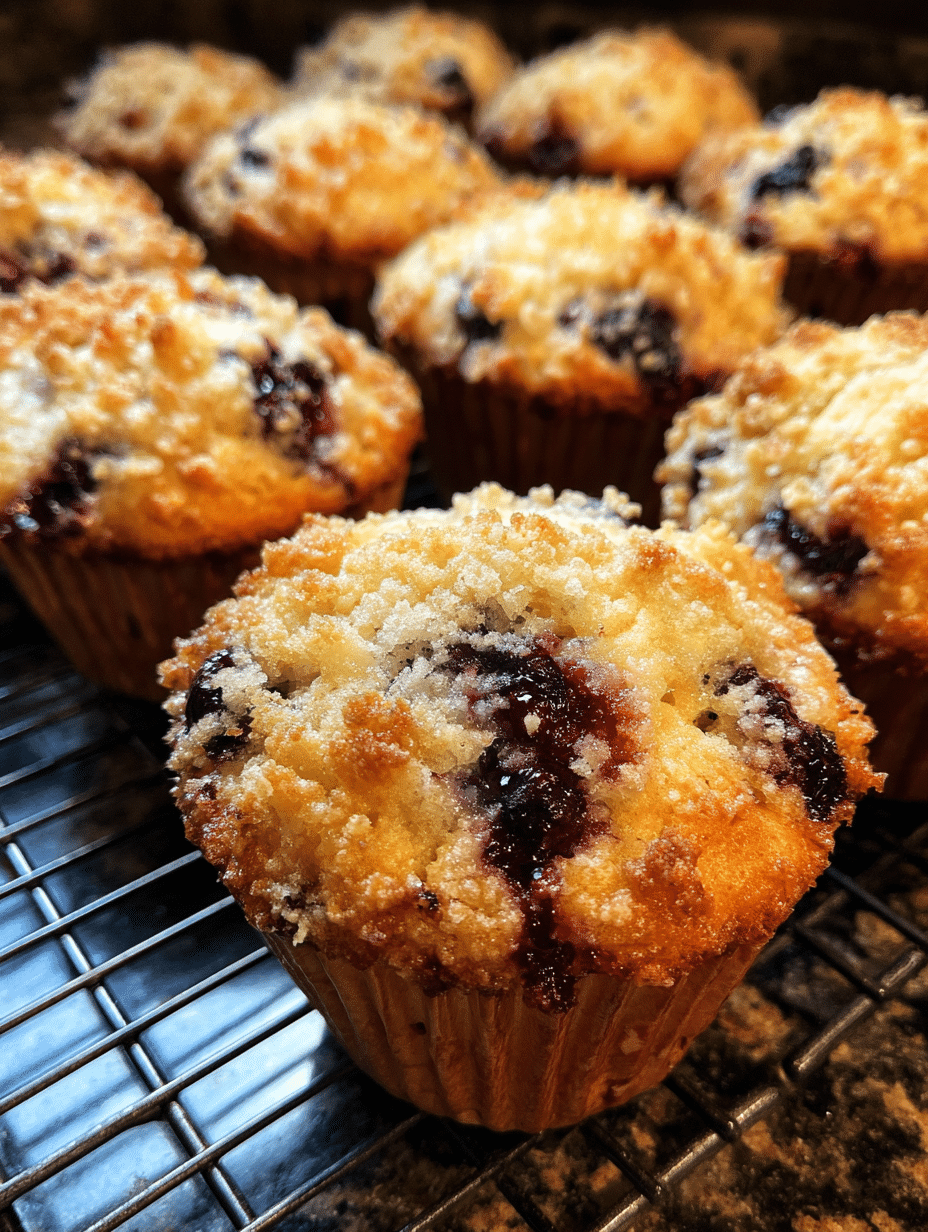
Gluten-free Blueberry Muffins
Equipment
- Muffin tin
- Mixing bowls
- Whisk or spoon
- Measuring cups and spoons
- Toothpick (for testing)
Ingredients
- 2 cups almond flour (fine blanched)
- 0.5 tsp baking powder
- 0.25 tsp cinnamon
- 2 large eggs
- 0.25 cup maple syrup or coconut sugar
- 0.25 cup almond milk or dairy-free milk
- 0.25 cup neutral oil (like avocado or melted coconut oil)
- 0.5 tsp vanilla extract
- 0.75 cup fresh or frozen blueberries
- Pinch of salt
Instructions
- Preheat oven to 350°F and line a muffin tin with parchment liners.
- In a mixing bowl, combine almond flour, baking powder, cinnamon, and salt.
- In another bowl, whisk eggs, maple syrup, milk, oil, and vanilla until smooth.
- Pour wet into dry and stir until just combined — do not overmix.
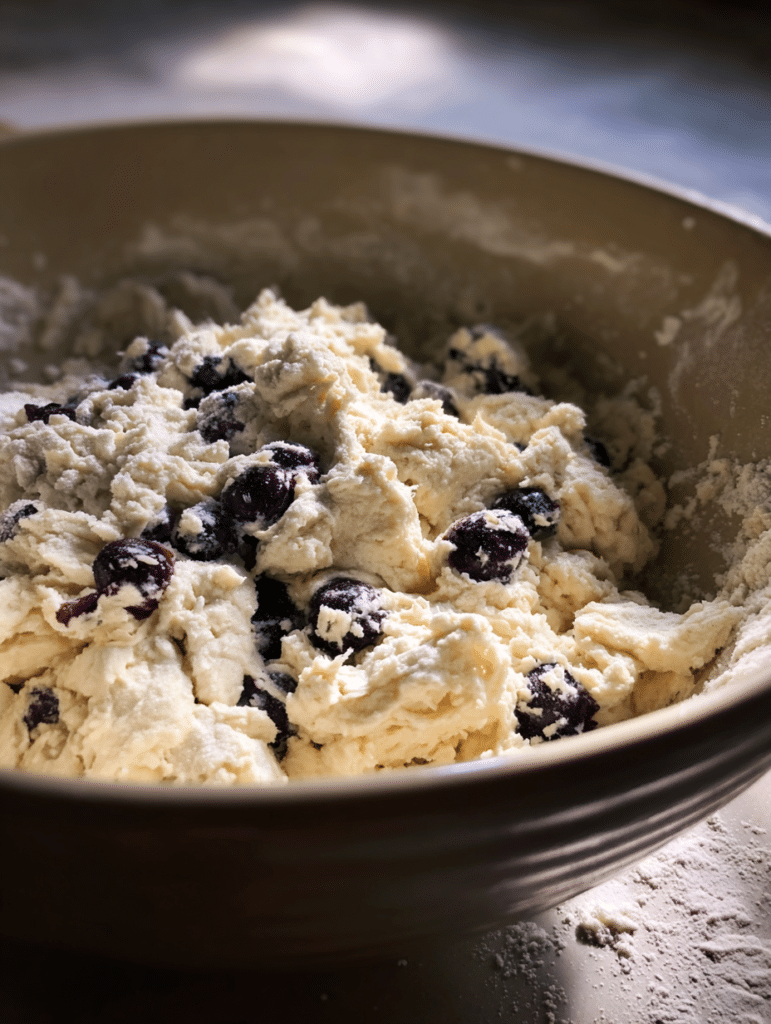
- Fold in blueberries gently. If using frozen, toss them in a little flour first.
- Scoop batter into muffin tin, filling each cup about ¾ full.
- Bake for 20–22 minutes or until golden and a toothpick comes out clean.
- Let cool 5–10 minutes before serving or storing.
Notes
Nutrition
Storage, Freezing, and Reheating Tips
How to make muffins last longer and taste fresh
Once you’ve baked your batch of gluten free blueberry muffins, you’ll want to make sure they stay soft and delicious—even a few days later. Luckily, gluten free baked goods like these store and freeze exceptionally well, especially when made with almond flour.
Here’s how to store them:
- Room temperature: Keep in an airtight container for up to 3 days
- Refrigerated: Store for up to 5 days, but allow them to come to room temp before eating
- Freezer: Freeze in a zip-top bag for up to 3 months
To keep the tops from getting sticky, line the container with a paper towel and layer muffins between sheets. This absorbs extra moisture without drying them out.
Best ways to reheat:
- Microwave (from fridge): 15–20 seconds per muffin
- Microwave (from frozen): 30–45 seconds, wrapped in a damp paper towel
- Toaster oven: Reheat at 300°F for 5–8 minutes for that just-baked taste
Almond flour muffins tend to reheat beautifully without crumbling or turning rubbery. That’s because almond flour retains natural oils and structure even after cooling or freezing. It’s just one more reason to love gluten free blueberry muffins with almond flour.
Want to add more gluten free options to your meal plan? These muffins freeze just as well as our go-to gluten-free pasta recipe, and you can even serve them alongside something savory for brunch.
For longer shelf life:
- Don’t frost them (if you ever do) before storing
- Wait until fully cooled before sealing—this prevents soggy tops
- Always label your freezer bags with the bake date
Making gluten free muffins shouldn’t mean rushing to eat them in one day. With smart storage, you can enjoy a fresh-tasting muffin anytime—even on your busiest mornings.
Frequently Asked Questions
1. What flour is best for gluten free blueberry muffins?
The best flour depends on your texture preference. Almond flour adds moisture and richness, while gluten free all-purpose blends offer structure and familiarity. Look for blends that include xanthan gum or guar gum to help bind ingredients without gluten.
2. How do I keep gluten free muffins from being dry?
Use moisture-rich ingredients like almond flour, eggs, and oil. Avoid overbaking, and always measure flour carefully. Letting the batter rest before baking can also help hydrate gluten free flours for a softer crumb.
3. Can I use frozen blueberries in gluten free muffins?
Yes, frozen blueberries work perfectly. Don’t thaw them before adding—just toss them in a bit of flour and fold them in gently. This prevents streaky batter and uneven texture.
4. Are gluten free muffins healthier?
They can be! Many gluten free blueberry muffin recipes use almond flour, which adds protein, fiber, and healthy fats. They’re also often lower in refined carbs, especially when sweetened with maple syrup or coconut sugar.
5. What’s the best gluten free blueberry muffin mix?
Look for a mix that includes real blueberries, almond flour, or oat flour, and minimal additives. King Arthur, Simple Mills, and Bob’s Red Mill all offer gluten free blueberry muffin mix options that work well when you’re short on time.
6. Can I replace almond flour with coconut flour?
Not directly. Coconut flour is extremely absorbent and can dry out the batter. If substituting, use only 1/4 the amount and increase liquid and eggs to compensate—but results may vary. Almond flour is better for this specific recipe.
Conclusion / Final Thoughts
These gluten free blueberry muffins prove that simple baking can still feel special. With just a few pantry staples and a bowl of fresh or frozen blueberries, you’ve got something soft, golden, and worth savoring.
Whether you’re avoiding gluten for health reasons or just want a better-for-you breakfast, this recipe is an easy win. It’s flexible, beginner-friendly, and made to share. No dry crumbs, no complicated flours—just muffins that bring comfort to your mornings.
Hi, I’m Chloe White, the home cook behind wepostrecipes. I’ve spent years in my Asheville kitchen burning, tweaking, and finally perfecting recipes like this. I believe anyone can cook something good—even if your first muffin sinks or your oven runs hot. That’s why every recipe I share puts simplicity first, creativity always.
If you’re ready to keep baking, I’ve got you covered:
- For more cozy bakes, try our gluten-free banana bread recipe or gluten-free muffins.
- Want a savory project? Start a gluten-free sourdough starter and build your next weekend bake from there.
Bake a batch, freeze a few, and enjoy the kind of muffin that makes gluten free living taste like home.