Disclaimer: This content is for educational purposes only, not medical advice. Always consult with a doctor before making significant changes to your diet, especially if you have pre-existing health conditions.
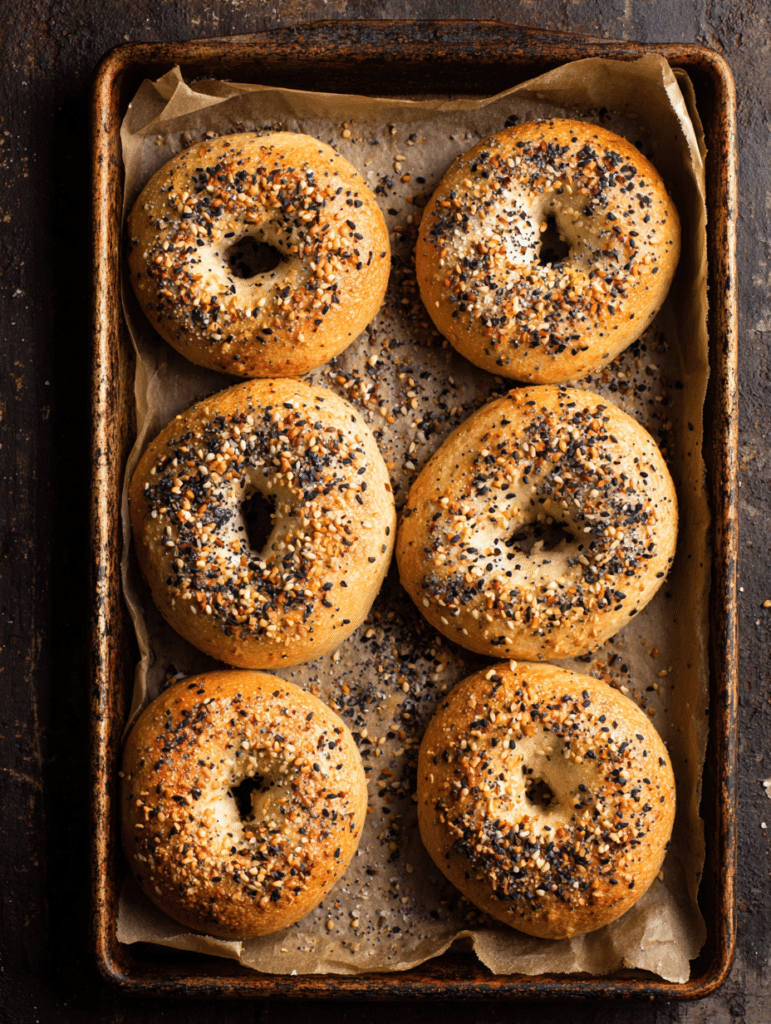
Gluten free bagels offer classic chewy bagel comfort without wheat. This recipe uses simple pantry ingredients and one dough to shape, boil, and bake. Beginners follow clear steps. Make these for breakfast, brunch, or meal prep. Mix, rest, shape, boil, bake, and enjoy warm.
Hi, I’m Chloe White, the home cook behind We Post Recipes, and my love story with gluten free bagels started in my tiny Asheville kitchen. I ruined my first batch so badly that they baked up like crunchy donuts, not bagels. I felt frustrated, but also stubbornly curious. After a lot of testing with different gluten free flour blends, I finally landed on a dough that felt soft, easy to handle, and still baked into that familiar chewy, toasty bite. If you feel nervous around yeast or gluten free baking, I’ll walk right beside you. We’ll keep it simple first and creative always.
IN THIS ARTICLE
KEY TAKEAWAYS: What You Need To Know
Gluten free bagels taste chewy, toasty, and satisfying when you use the right flour blend and enough hydration. You mix a simple dough, let it rest, shape rings, boil quickly, and bake. Beginners follow clear steps. You freeze extras and toast them straight from the freezer.
- What it is:
Gluten free bagels are ring-shaped breads that skip wheat and use a gluten free flour blend instead. They still feel chewy inside and slightly crisp outside when you boil and bake them. - Why it matters:
These bagels let you enjoy a cozy bagel breakfast without gluten. They support gluten free lifestyles, help you control ingredients, and turn simple pantry items into something special and bakery-style at home. - Who it’s for:
This recipe works for new bakers, busy parents, college students, and anyone who follows a gluten free diet or cooks for someone who does. If you fear yeast or fussy dough, you still handle this recipe. - When to use it:
Make these homemade gluten free bagels for slow weekend breakfasts, quick freezer meal prep, lunchbox sandwiches, and easy brunch boards. You shape, boil, and bake once, then enjoy them all week. - How to make it:
You whisk dry ingredients, add warm water, oil, and a touch of sweetness, then mix a thick, sticky dough. You let it rest, shape rings, boil in sweetened water, add toppings, and bake until the bagels turn golden and feel firm.
Gluten Free Bagels Basics & Ingredients
What Are Gluten Free Bagels, Really?
Gluten free bagels give you that classic ring-shaped, chewy bread experience without wheat. You build them with a gluten free flour blend instead of regular all-purpose flour, so your dough behaves differently. It feels softer, stickier, and needs a bit of extra support from binders and hydration.
You still follow the same big idea as regular bagels: mix a dough, let it rest, shape rings, boil, then bake until golden. You slice them, toast them, and top them with cream cheese or butter just like any other bagel. I treat gluten free bagels as a cozy bridge between comfort food and everyday practicality.
In my Asheville kitchen, I tested this dough side by side with my favorite gluten free bread recipe from We Post Recipes. That comparison helped me understand how much water the flour blend drinks up and how much chew I can create. Gluten free bagels feel slightly more tender than classic New York bagels, yet they still deliver a satisfying bite that stands up to toppings and sandwiches.
Key Ingredients For A Reliable Gluten Free Bagels Recipe
You build this gluten free bagels recipe around a good flour blend first. You can use a high-quality 1:1 gluten free flour or mix your own from rice flour, starches, and sorghum. I love blends that already include xanthan gum, because that gum acts like a net and holds everything together. Without it, your bagels crumble or feel dry.
Yeast gives your dough lift and flavor. Sugar or honey feeds the yeast and adds gentle sweetness. Salt wakes everything up and keeps the flavor balanced. Warm water hydrates the flour and activates the yeast, while a little oil adds softness and moisture.
If you already keep a gluten free sourdough starter on hand, you can experiment later with a sourdough version using my guide at We Post Recipes. For now, this simple yeast-based method gives you reliable, repeatable results, even if you feel brand new to gluten free baking.
How To Make Easy Gluten Free Bagels Step-by-Step
Gluten free bagels follow a simple rhythm: mix, rest, shape, boil, bake. You stir dry and wet ingredients into a thick, sticky dough, let it relax, then shape rings. A quick boil sets the crust, and the oven finishes the chew. You handle each step with calm confidence.
How Do You Make Homemade Gluten Free Bagels From Scratch?
You start your gluten free bagels recipe with a large bowl. Whisk your gluten free flour blend, yeast, sugar, and salt together so everything spreads out evenly. I always do this part first, just like I do for my gluten free blueberry muffins, because it keeps clumps away and makes the dough easier to mix.
Next, you pour in warm water and a little oil. The dough looks thick and sticky, closer to soft clay than stretchy bread dough. That texture feels right for easy gluten free bagels, so you trust it and keep going. You mix until no dry patches remain, then smooth the top and cover the bowl.
You let the dough rest for about 30–40 minutes. This rest lets the flour hydrate fully and gives the yeast time to wake up. When you uncover the bowl, the dough feels lighter and puffier. You divide it into equal pieces, roll each into a ball, then poke a hole in the center and gently stretch it into a bagel shape.
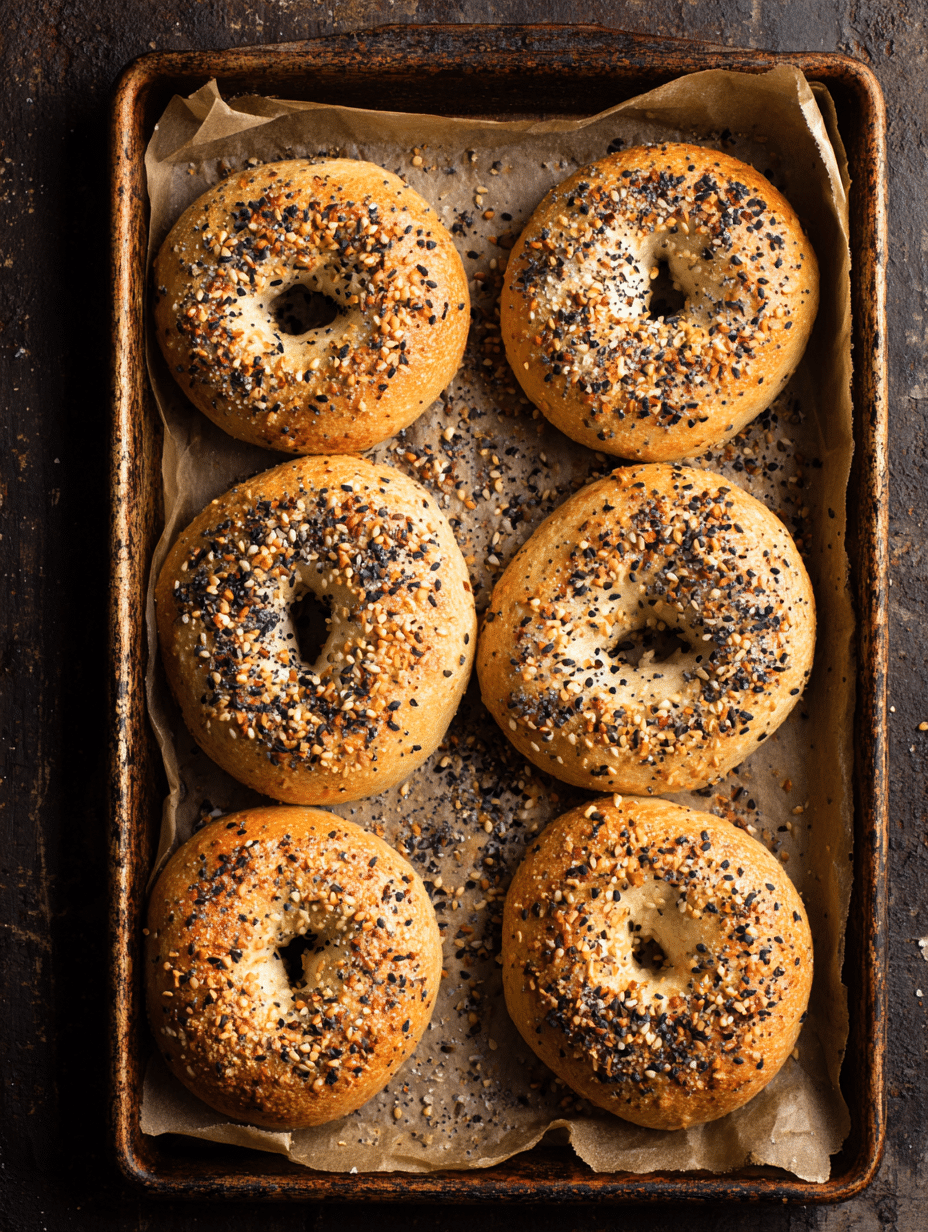
Gluten-free Bagels
Equipment
- large mixing bowl
- Wooden spoon or spatula
- Large pot For boiling bagels
- Parchment paper
- Baking sheet
Ingredients
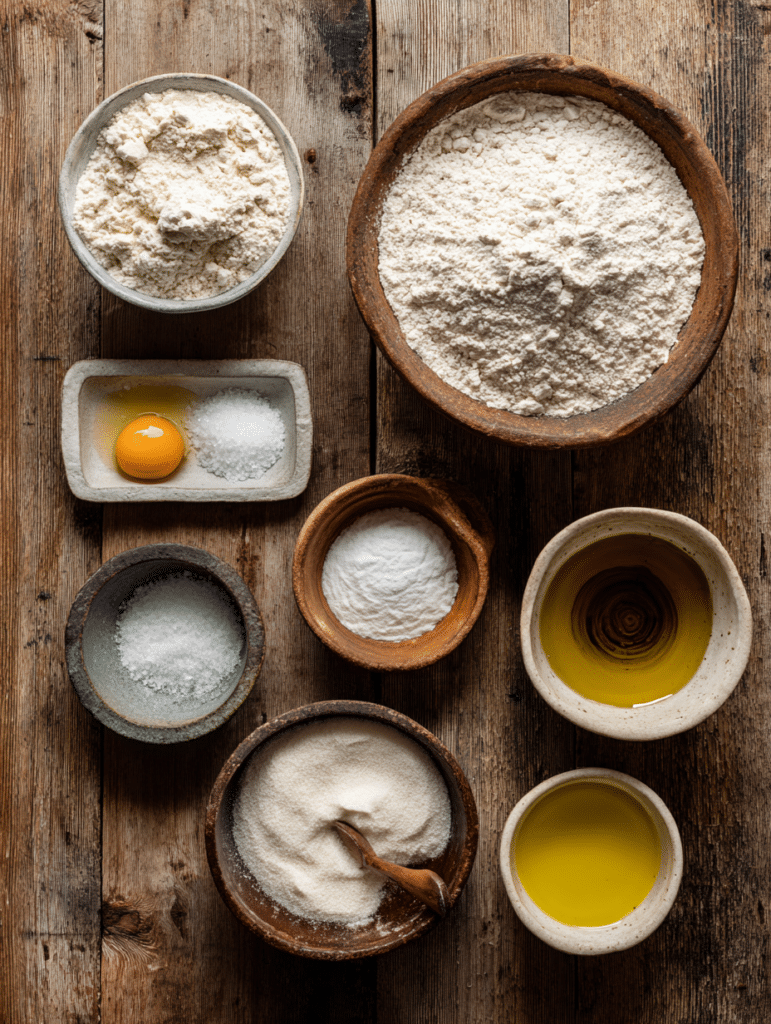
- 3 cups gluten free flour blend (with xanthan gum)
- 2.25 tsp instant yeast
- 1 tbsp sugar or honey
- 1 tsp fine sea salt
- 1 tbsp olive oil
- 1.5 cups warm water
- 1 tbsp sugar or honey (for boiling water)
Instructions
- In a large bowl, whisk together gluten free flour blend, yeast, sugar, and salt until evenly combined.
- Add warm water and olive oil. Mix until a thick, sticky dough forms with no dry patches.
- Cover and let the dough rest for 30–40 minutes until slightly puffed and hydrated.
- Divide dough into 8 equal pieces. Roll into balls, poke a hole in the center, and gently stretch into bagel shapes.
- Bring a wide pot of water to a gentle boil. Stir in sugar or honey. Boil bagels 30–45 seconds per side, then transfer to a parchment-lined baking sheet.
- Sprinkle with toppings if desired. Bake at 425°F for 20–25 minutes until deep golden and firm.
- Let cool for at least 15–20 minutes before slicing. Slice and freeze extras for later use.
Notes
Nutrition
Boiling, Baking, And Getting That Chewy Bagel Texture
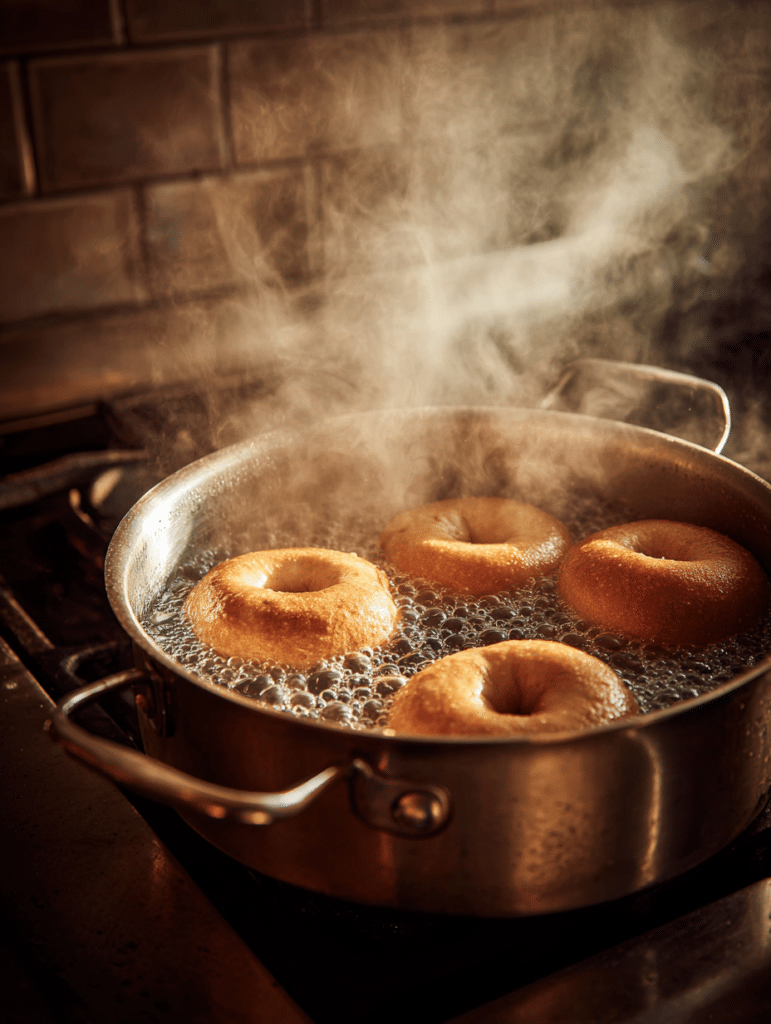
You bring a wide pot of water to a gentle boil and stir in a spoonful of sugar or honey. That sweetened water encourages a shiny, golden crust. You lower a few bagels into the water at a time, let them simmer for about 30–45 seconds per side, then lift them onto a parchment-lined baking sheet.
Right after boiling, you sprinkle toppings over the damp surface so they cling well. You slide the pan into a hot oven and bake until the bagels look deep golden and feel firm when you tap them. This same combination of high heat and good hydration also helps my gluten free pasta recipe cook up tender, not mushy.
As the bagels cool slightly, the crust sets and the inside stays soft and chewy. You slice one open, toast it lightly, and suddenly homemade gluten free bagels feel completely doable in your own kitchen.
Texture, Troubleshooting & Pro Tips
Gluten free bagels turn dense or gummy when you add too much flour, rush the rise, or skip enough water. You fix texture when you measure carefully, let the dough rest, and bake long enough. Small tweaks bring soft, chewy homemade gluten free bagels back.
Why Do My Gluten Free Bagels Turn Out Dense Or Gummy?
Dense gluten free bagels usually mean too much flour and not enough water. Gluten free blends soak up liquid quickly, so the dough often looks sticky at first. You wait before you add extra flour. You treat stickiness as normal.
When you rush proofing, the yeast cannot lift the dough fully. Your bagels then feel heavy and squat. You fix that when you give the dough enough time to puff, just like you do with my gluten free sourdough bread at We Post Recipes. Warm kitchens shorten that rest. Cooler kitchens stretch it.
Gummy centers usually mean underbaking or too much moisture trapped inside. You extend the bake by a few minutes and let the bagels cool before slicing. I follow the same idea with my gluten free muffins over at We Post Recipes, because a short rest keeps the crumb tender, not wet.
Pro Tips For Perfect Easy Gluten Free Bagels Every Time
You scoop flour with a spoon into the cup and level it instead of dipping the cup straight into the bag. Even better, you weigh the flour. Consistent measuring gives consistent results. You stir the dough thoroughly so no dry pockets hide at the bottom of the bowl.
You oil your hands very lightly when you shape each bagel. This trick keeps the dough from sticking and helps you form smooth rings. You place each shaped bagel on parchment, just like you do for my gluten free cake at We Post Recipes, so nothing glues to the pan.
You boil only a few bagels at a time. Crowding drops the water temperature and hurts the crust. You flip each bagel gently, then move it straight to the hot oven. These simple habits turn easy gluten free bagels into a reliable weekend and weekday staple.
Variations, Toppings & Flavor Ideas
You turn gluten free bagels into a full-on bakery spread when you play with flavors and toppings. You start with one simple base dough and then change seeds, spices, and mix-ins. You keep the method the same, so creativity stays fun, not stressful.
What Flavors Work Best With Gluten Free Bagels?
You never need fancy ingredients to upgrade an easy gluten free bagels recipe. For classic flavors, you make plain, sesame, poppy seed, or everything bagels. You sprinkle seeds right after boiling while the surface still feels damp, so everything sticks.
For sweet mornings, you fold in cinnamon and raisins, mini chocolate chips, or tiny blueberries. You already practice this kind of balance when you bake my gluten free banana bread recipe at We Post Recipes, so you trust your instincts with sweetness here too. You keep mix-ins small so they do not tear the dough.
Savory fans add dried onion, garlic, herbs, or shredded cheese on top. You can even mirror the cozy flavors from my gluten free dinner ideas collection at We Post Recipes and build bagels that pair with soups, salads, and simple mains.
Toppings, Mix-Ins, And Fun Ways To Customize
You treat toppings like both flavor and texture. You press seeds, flake salt, or dried herbs onto the hot, boiled dough before baking. You gently press them in with your fingertips so they grip. You keep toppings in a shallow dish and dip each bagel face-down for even coverage.
You stir mix-ins like raisins, blueberries, or chocolate chips into the dough right after mixing, before the rest. This trick spreads everything evenly, just like I do for my gluten free blueberry muffins over at We Post Recipes. You avoid overloading the dough so your homemade gluten free bagels keep their shape.
Kids often love half-and-half bagels: one side everything seasoning, the other side cheese. You create a mini “bagel bar” with toppings, then bake a tray that fits everyone’s mood without changing the base recipe at all.
Storage, Serving & Meal Prep
You store gluten free bagels in an airtight container, enjoy them within a day or two, and freeze the rest. You slice them before freezing so you toast straight from the freezer. This simple routine turns one baking session into easy breakfasts and lunches all week.
How Do You Store And Freeze Gluten Free Bagels?
You treat gluten free bagels gently after baking. Let them cool until they feel barely warm, then move them into an airtight container or zip-top bag. You keep them at room temperature for 1–2 days. After that, you freeze them so the texture stays soft and chewy.
You slice each bagel horizontally before you freeze it. This trick saves time on busy mornings and protects the crumb from rough cutting when frozen solid. You lay sliced bagels on a baking sheet, freeze them until firm, then move them into a freezer bag. You squeeze out extra air for the best texture.
You reheat directly from frozen. Drop frozen slices into the toaster or toaster oven and toast until the edges feel crisp and the center feels hot. This same freezer-first approach works nicely when you batch prep my gluten free pasta recipe at We Post Recipes for fast dinners. You follow one rhythm: cook once, enjoy many times.
| Storage Method | Best-By Time |
|---|---|
| Room temperature (airtight) | 1–2 days |
| Refrigerator (sealed) | 3–4 days |
| Freezer (sliced first) | Up to 2–3 months |
Serving Ideas: What To Eat With Gluten Free Bagels
You use easy gluten free bagels as a blank canvas. For simple mornings, you spread butter, cream cheese, or nut butter. You add jam, honey, or banana slices for a quick, cozy breakfast that feels like a treat but still comes together fast.
For hearty breakfasts, you layer eggs, cheese, and bacon or veggies for a full bagel sandwich. You follow the same balanced, comfort-food style that guides my gluten free dinner ideas at We Post Recipes. You pair bagels with scrambled eggs, roasted potatoes, or a fruit salad for a complete weekend brunch.
At lunchtime, you treat homemade gluten free bagels like sandwich rolls. You stack turkey, lettuce, and tomato, or pile on tuna salad and crunchy pickles. For a lighter plate, you toast half a bagel, top it with hummus and sliced veggies, and serve it beside a simple green salad.
FAQ: Gluten Free Bagels Questions Answered
Are gluten free bagels healthier than regular bagels?
Gluten free bagels support people who need or choose a gluten free diet, especially if they live with celiac disease or gluten sensitivity. Health depends on your overall eating pattern, not just the bagel. You still watch portion sizes and toppings. For medical guidance, you follow your doctor’s advice and check resources like the U.S. FDA’s gluten free labeling page.
What are gluten free bagels made of?
You build gluten free bagels with a gluten free flour blend, yeast, salt, sugar or honey, warm water, and a little oil. Many blends include xanthan gum or another binder for structure. You flavor them with seeds, spices, or mix-ins. For more background on gluten free eating patterns, you can read about the gluten free diet.
How do you keep gluten free bagels from falling apart?
You use a flour blend that includes xanthan gum or psyllium husk so the dough holds together. You measure liquids carefully and avoid extra flour so the dough stays hydrated. You let the dough rest so it puffs lightly, and you cool the baked bagels before slicing.
Can I make gluten free bagels without xanthan gum?
Yes, you can skip xanthan gum when you use psyllium husk as a replacement or choose a blend that already includes a different binder. You follow the package directions for that flour and watch the dough texture. You want a thick, soft dough that holds a ring shape without cracking.
Can you freeze homemade gluten free bagels?
Yes, homemade gluten free bagels freeze very well. You let them cool, slice them, and freeze them in an airtight bag. You pull out slices as needed and toast them straight from frozen. This routine keeps bagels ready for quick breakfasts and lunches.
Why are my gluten free bagels dense or dry?
Dense bagels usually mean you added too much flour or you rushed the rise. Dry bagels often bake too long or sit uncovered. You fix this when you weigh your flour, use enough water, let the dough rest until slightly puffy, and store cooled bagels in an airtight container.
Conclusion / Final Thoughts
Gluten free bagels give you chewy, bakery-style comfort without wheat. You mix a simple dough, let it rest, shape rings, boil, and bake. Make them for breakfast, brunch, or freezer meal prep when you want easy, reliable gluten free bread that still tastes indulgent.
Why This Gluten Free Bagels Recipe Belongs In Your Routine
Now you know exactly what gluten free bagels are, why they matter, and how to make them without stress. They offer classic chewy texture and toasty flavor while they still fit a gluten free lifestyle. You swap wheat flour for a gluten free blend and keep the rest of the method familiar.
This recipe matters because it replaces frustration with confidence. You no longer guess about dough texture or boiling time. You know who this recipe serves: new bakers, busy families, and anyone who wants homemade comfort without gluten. You use it on slow weekends, school mornings, brunch spreads, and meal prep days.
Whenever you crave bagels, you now follow a clear how-to map: whisk dry ingredients, add warm water and oil, mix a thick dough, rest, shape, boil briefly in sweetened water, then bake until golden. You store extras in the freezer, like you might store slices of my reliable gluten free bread recipe at We Post Recipes, and you toast them whenever life feels busy.
Here’s how readers often describe this recipe:
“These gluten free bagels actually taste like real bagels, not crumbly rolls. My kids ask for them every weekend now.” – Sarah, California
“I feared yeast baking, but this step-by-step method made it feel simple. The bagels toast beautifully from the freezer.” – James, Ohio
You hold everything you need: ingredients, timing, troubleshooting, and flavor ideas. You just preheat the oven, grab your flour blend, and let your kitchen smell like a cozy bagel shop.