Disclaimer: This content is for educational purposes only, not medical advice. Always consult with a doctor before making significant changes to your diet, especially if you have pre-existing health conditions.
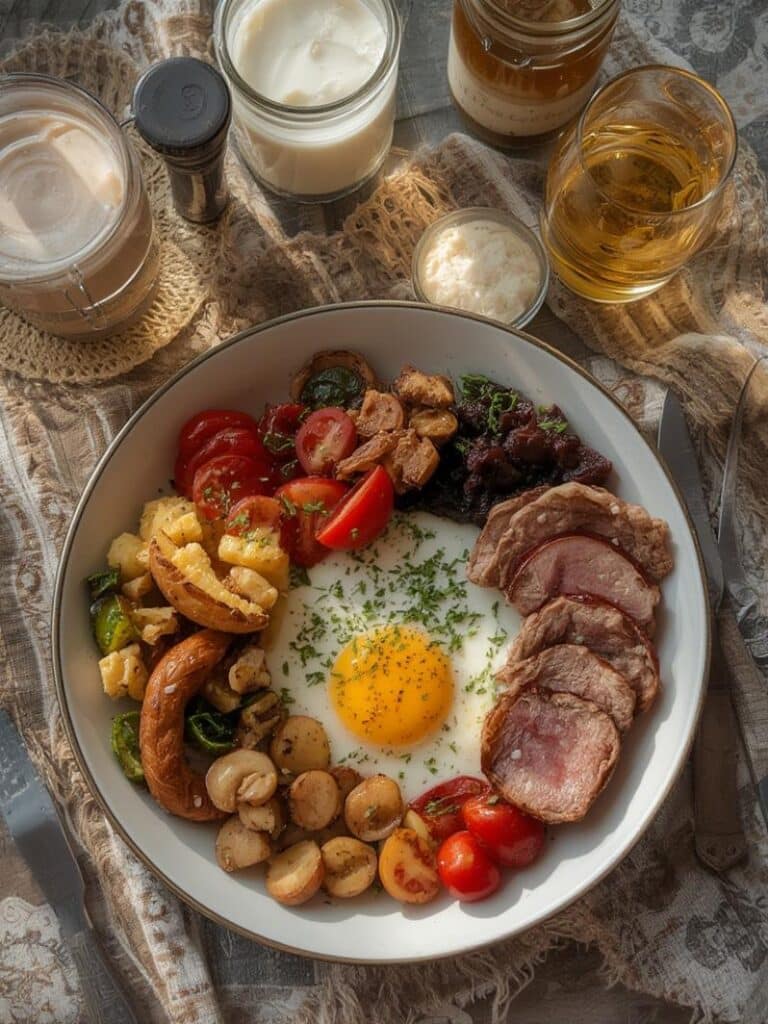
Every morning in my Asheville kitchen, the Mediterranean sunshine finds its way to my breakfast table. The mediterranean diet breakfast has transformed my mornings from rushed coffee-and-go affairs into mindful moments of nourishment and joy. Growing up in the Blue Ridge mountains, I never imagined simple ingredients like olive oil, fresh fruits, and whole grains would become my morning staples. Yet these Mediterranean breakfast rituals have not only improved my energy levels but have connected me to a centuries-old tradition of eating that celebrates both health and pleasure. Today, I’m sharing my favorite morning recipes that bring Mediterranean sunshine to your table—no passport required.
IN THIS ARTICLE
Key Takeaways: What You Need To Know
– Mediterranean breakfast foods focus on whole, unprocessed ingredients like fruits, vegetables, whole grains, and healthy fats
– These breakfasts typically include protein sources such as Greek yogurt, eggs, or nuts for lasting energy
– Mediterranean diet breakfast ideas are naturally anti-inflammatory and support heart health
– Most recipes take less than 15 minutes to prepare, making them practical for busy mornings
– Mediterranean breakfast options can be prepped ahead for convenient grab-and-go options
– These recipes are flexible and can be adapted to seasonal ingredients and dietary preferences
What Makes a Mediterranean Diet Breakfast Special?
A Mediterranean diet breakfast features whole foods like fruits, vegetables, whole grains, healthy fats from olive oil and avocados, and proteins from sources like Greek yogurt, eggs, and nuts—creating meals that are nutritionally balanced, anti-inflammatory, and heart-healthy.
The Mediterranean breakfast tradition revolves around fresh, seasonal ingredients that nourish both body and soul. Unlike typical American breakfasts loaded with processed carbs and sugar, these morning meals prioritize nutrient density and balanced energy. When I first began exploring Mediterranean cooking, the breakfast approach felt revolutionary—no more energy crashes by 10 AM!
How Does Mediterranean Breakfast Support Health?
The Mediterranean diet has been extensively studied for its health benefits, particularly for heart health. According to research from the Mayo Clinic, following Mediterranean eating patterns significantly reduces risk of heart disease, certain cancers, and cognitive decline.
In my own experience, switching to a Mediterranean breakfast approach helped stabilize my blood sugar levels throughout the morning. The combination of healthy fats, fiber, and proteins creates a perfect trifecta for sustained energy. I’ve found that adding olive oil to my morning toast or including avocados with eggs keeps me full much longer than my old breakfast muffin routine ever did.
What Are the Core Ingredients of Mediterranean Mornings?
The Mediterranean breakfast pantry includes these staple ingredients that appear regularly in morning meals across the region:
| Ingredient Category | Common Examples |
|---|---|
| Healthy Fats | Extra virgin olive oil, avocados, nuts, seeds |
| Proteins | Greek yogurt, eggs, chickpeas, small portions of fish |
| Whole Grains | Whole grain bread, oats, barley, farro |
| Fruits & Vegetables | Tomatoes, cucumbers, berries, figs, oranges |
| Herbs & Spices | Mint, oregano, cinnamon, za’atar |
When I first stocked my Mediterranean pantry, I was surprised by how many of these ingredients I already had on hand. The simplicity is part of the beauty—these breakfasts don’t require exotic ingredients, just fresh, whole foods thoughtfully combined. My [Mediterranean chickpea salad](https://wepostrecipes.com/mediterranean-chickpea-salad) originally inspired me to start incorporating these ingredients into breakfast dishes as well.
Quick and Satisfying Mediterranean Breakfast Ideas
Quick Mediterranean diet breakfasts include Greek yogurt with honey and nuts, avocado toast with za’atar and olive oil, overnight oats with Mediterranean flavors, egg dishes with vegetables, and fruit platters with yogurt dips—all requiring minimal prep while delivering maximum nutrition.
Morning routines deserve recipes that honor both time constraints and nutrition needs. These Mediterranean breakfast options respect your schedule while still providing the nourishment your body craves. I’ve perfected these recipes during busy weekday mornings when I need something substantial but quick.
What Are the Best 15-Minute Mediterranean Breakfasts?
These breakfasts have become my weekday lifesavers, each taking less than 15 minutes from start to finish:
1. Mediterranean Avocado Toast: Whole grain toast topped with mashed avocado, cherry tomatoes, feta crumbles, and a drizzle of olive oil. A sprinkle of za’atar takes it to the next level.
2. Greek Yogurt Power Bowl: Plain Greek yogurt topped with honey, mixed berries, chopped walnuts, and a sprinkle of cinnamon. I sometimes add a tablespoon of ground flaxseed for extra omega-3s.
3. Quick Mediterranean Egg Scramble: Eggs scrambled with spinach, cherry tomatoes, and a sprinkle of feta cheese. Serve with a slice of whole grain bread drizzled with olive oil.
4. Mediterranean Breakfast Wrap: Whole grain wrap filled with hummus, sliced cucumber, tomato, hard-boiled egg, and a sprinkle of olive oil and oregano.
5. Ricotta Toast with Figs: Whole grain toast spread with ricotta cheese and topped with sliced figs, honey, and crushed pistachios. When figs aren’t in season, I use whatever fresh fruit is available.
The beauty of these quick breakfasts is their flexibility. Much like my Mediterranean bowl recipes, these breakfast ideas can be customized based on what ingredients you have available, making them perfect for busy mornings.
How Can I Meal Prep Mediterranean Breakfasts?
Meal prepping has transformed my relationship with breakfast. Here’s how I prep Mediterranean breakfasts for busy weeks:
| Breakfast Item | Prep Strategy |
|---|---|
| Overnight Mediterranean Oats | Combine oats, Greek yogurt, honey, cinnamon, and almond milk in jars. Refrigerate. Add fresh toppings in the morning. |
| Egg Muffins with Mediterranean Veggies | Bake eggs with spinach, tomatoes, olives, and feta in muffin tins. Refrigerate up to 4 days. |
| Breakfast Grain Bowls | Cook farro or barley in advance. Portion into containers with roasted vegetables. Add fresh components morning-of. |
| Yogurt Parfait Kits | Portion nuts, seeds, and dried fruits into small containers. Grab Greek yogurt and add toppings when ready to eat. |
I’ve found that having these components prepped dramatically increases the likelihood that I’ll enjoy a nourishing breakfast rather than reaching for less healthy options. The key is to separate wet and dry ingredients until you’re ready to eat. When I create make-ahead breakfast options, I often use similar flavor profiles to my Mediterranean bean salad, just in breakfast-friendly formats.
Traditional Mediterranean Breakfast Recipes
Traditional Mediterranean breakfasts vary by region but include dishes like shakshuka (eggs poached in spiced tomato sauce), Turkish menemen (scrambled eggs with vegetables), Spanish tortilla (potato omelet), Greek yogurt with honey and nuts, and various olive oil-drizzled breads with fresh accompaniments.
The Mediterranean encompasses diverse culinary traditions from Spain to Lebanon, each with unique breakfast specialties. These authentic morning meals offer a glimpse into the daily lives of Mediterranean families. When I traveled through Greece a few years ago, I was struck by how different—yet how much more satisfying—breakfast felt compared to my American habits.
What Do Mediterranean Countries Typically Eat for Breakfast?
Mediterranean breakfasts vary significantly from country to country:
Greek Breakfast:
– Greek yogurt with honey and walnuts
– Paximadia (twice-baked bread) with olive oil and tomatoes
– Spanakopita (spinach pie) with feta
– Fresh fruit and Greek coffee
Italian Breakfast:
– Caffè (espresso) with a cornetto (croissant)
– Pane, burro e marmellata (bread with butter and jam)
– Fette biscottate (crisp bread) with a spread of honey or jam
– Fresh fruit or freshly squeezed orange juice
Spanish Breakfast:
– Pan con tomate (bread rubbed with tomato, olive oil, and salt)
– Tortilla española (potato omelet)
– Churros with chocolate for special occasions
– Café con leche (coffee with milk)
Lebanese/Middle Eastern Breakfast:
– Manakish (flatbread topped with za’atar or cheese)
– Hummus, labneh (strained yogurt), and olive oil
– Foul medames (fava bean stew)
– Fresh vegetables, herbs, and olives
After experimenting with these various traditions, I’ve incorporated elements from each into my breakfast rotation. What they all share is a focus on whole, minimally processed ingredients. My [Mediterranean steak bowl](https://wepostrecipes.com/mediterranean-steak-bowl) was actually inspired by the balanced approach I learned from studying these traditional breakfasts.
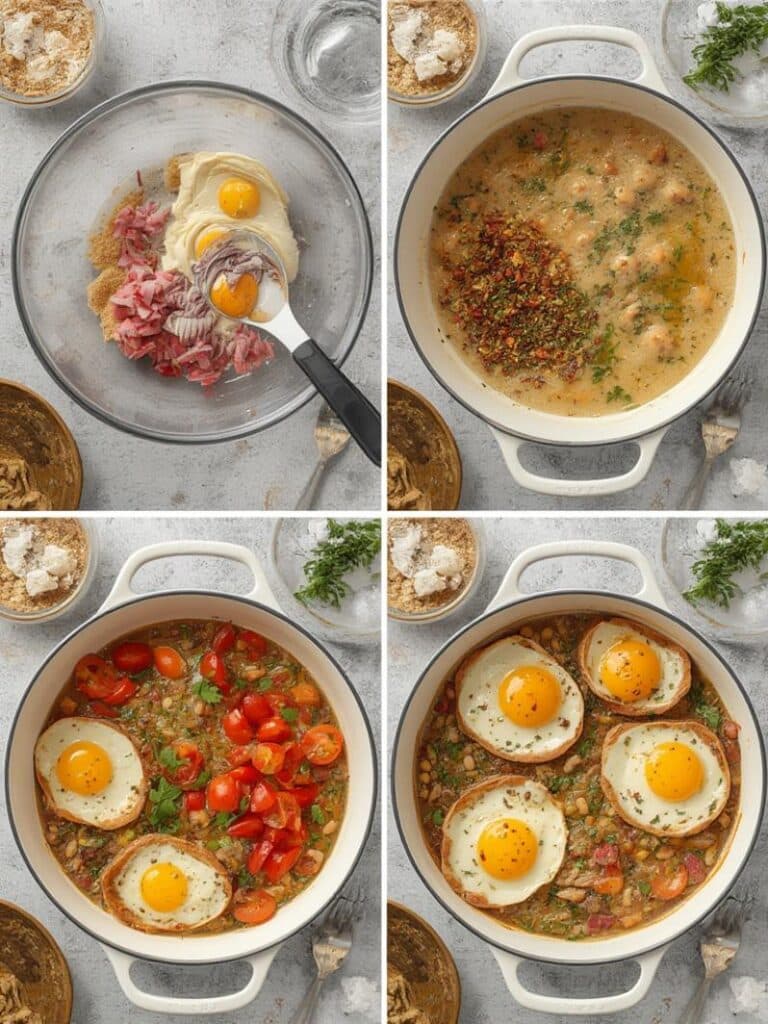
How to Make Authentic Shakshuka?
Shakshuka is perhaps the most famous Mediterranean breakfast export, and it’s become a weekend staple in my home. Here’s my foolproof recipe:
Mediterranean Shakshuka Recipe
Serves 4
Ingredients:
– 2 tablespoons olive oil
– 1 onion, diced
– 1 red bell pepper, diced
– 3 cloves garlic, minced
– 1 teaspoon cumin
– 1 teaspoon paprika
– ½ teaspoon chili flakes (optional)
– 1 can (28 oz) crushed tomatoes
– 1 teaspoon salt
– Freshly ground black pepper
– 6 large eggs
– ½ cup crumbled feta cheese
– Fresh parsley and cilantro, chopped
– Warm pita or crusty bread for serving
Instructions:
1. Heat olive oil in a large, deep skillet over medium heat. Add onion and bell pepper, sauté until softened (about 5 minutes).
2. Add garlic, cumin, paprika, and chili flakes. Cook until fragrant (about 1 minute).
3. Pour in crushed tomatoes, salt, and pepper. Simmer until sauce thickens slightly (about 10 minutes).
4. Using the back of a spoon, make 6 wells in the sauce. Crack an egg into each well.
5. Cover and cook until egg whites are set but yolks are still runny (about 5-7 minutes).
6. Sprinkle with feta, parsley, and cilantro before serving.
7. Serve directly from the pan with warm bread for dipping.
The first time I made shakshuka, I was amazed at how such simple ingredients created such a satisfying meal. It’s now my go-to when hosting weekend brunch. The communal nature of the dish—everyone dipping bread into the same pan—captures the essence of Mediterranean eating.
Mediterranean Breakfast Bowls and Parfaits
Mediterranean breakfast bowls and parfaits feature layered combinations of Greek yogurt, fresh fruits, honey, nuts, seeds, and whole grains. These versatile, nutrient-dense meals provide balanced protein, healthy fats, and complex carbohydrates while being easily customizable for different preferences and seasonal ingredients.
Breakfast bowls have revolutionized my morning routine, offering endless possibilities for nutritious, visually appealing meals. The Mediterranean approach to breakfast bowls combines protein, healthy fats, and complex carbs in a way that stabilizes energy throughout the morning. I’ve found these bowls to be the perfect canvas for seasonal ingredients.
How Do You Build the Perfect Mediterranean Breakfast Bowl?
Creating balanced Mediterranean breakfast bowls follows a simple formula that ensures both nutrition and satisfaction:
1. Start with a Protein Base (1/3 of your bowl)
– Greek yogurt (my go-to for its protein content)
– Cottage cheese
– Scrambled or poached eggs
– Chickpeas or other legumes
2. Add Whole Grains or Complex Carbs (1/3 of your bowl)
– Cooked farro or barley
– Ancient grain blend
– Whole grain granola (low sugar)
– Sweet potato cubes
3. Include Fresh Fruits or Vegetables (1/3 of your bowl)
– Berries, pomegranate seeds, or sliced stone fruits
– Diced cucumber and tomatoes
– Sautéed greens
– Roasted Mediterranean vegetables
4. Top with Healthy Fats (1-2 tablespoons)
– Drizzle of extra virgin olive oil
– Sliced avocado
– Chopped nuts (walnuts, almonds, pistachios)
– Seeds (chia, flax, pumpkin)
5. Finish with Flavor Boosters (to taste)
– Honey or date syrup
– Fresh herbs (mint, basil)
– Spices (cinnamon, cardamom, za’atar)
– Sea salt and freshly ground pepper
This approach is similar to how I construct my Mediterranean salmon recipes – building layers of complementary flavors that work in harmony. The beauty of breakfast bowls is their adaptability to whatever ingredients you have on hand.
What Are the Best Greek Yogurt Parfait Combinations?
Greek yogurt parfaits are my weekday breakfast hero—quick to assemble but substantial enough to fuel busy mornings. Here are my favorite Mediterranean-inspired parfait combinations:
Fig and Honey Parfait:
Layer Greek yogurt with honey, fresh or dried figs, chopped pistachios, and a sprinkle of cinnamon. I sometimes add a small drizzle of tahini for richness.
Berry and Walnut Parfait:
Alternate Greek yogurt with mixed berries, chopped walnuts, a drizzle of honey, and a sprinkle of chia seeds. The omega-3s from the walnuts and chia make this particularly nourishing.
Citrus and Mint Parfait:
Combine Greek yogurt with honey, segmented oranges or grapefruit, mint leaves, and sliced almonds. This bright combination is especially refreshing in winter when citrus is at its peak.
Savory Cucumber Parfait:
For a savory option, mix Greek yogurt with a touch of olive oil, diced cucumber, dill, lemon zest, and a pinch of salt. Top with pumpkin seeds for crunch. This pairs beautifully with whole grain toast.
When making parfaits, I’ve learned to keep the granola or nuts separate until just before eating to maintain their crunch. These parfaits draw inspiration from the balanced approach I use in my Mediterranean quinoa salad, focusing on contrasting textures and complementary flavors.
Mediterranean Breakfast Toasts and Sandwiches
Direct Answer Summary: Mediterranean breakfast toasts and sandwiches feature whole grain breads topped with nutrient-dense ingredients like avocado, hummus, olive oil, fresh vegetables, eggs, and herbs. These open-faced or traditional sandwiches provide balanced nutrition while offering endless flavor combinations that can be prepared in minutes.
Toast doesn’t have to be boring! The Mediterranean approach elevates simple bread-based breakfasts with flavorful, nutrient-dense toppings. Growing up in Asheville, toast meant butter and jam—but my Mediterranean breakfast exploration has introduced me to a world of savory morning toasts that feel both indulgent and nourishing.
What Makes Mediterranean Toast Different?
Mediterranean toast variations stand apart through their use of:
1. Quality Bread: Often whole grain, sourdough, or traditional regional breads like pita or rustic country loaves
2. Healthy Fats: Extra virgin olive oil as the primary fat rather than butter
3. Savory Components: Emphasis on vegetables, herbs, and proteins rather than sweet spreads
4. Fresh Ingredients: Seasonal, simple toppings that let quality ingredients shine
5. Balanced Nutrition: Combination of protein, healthy fats, and complex carbohydrates
My favorite Mediterranean toast combinations have transformed my breakfast routine, offering quick yet satisfying options that keep me energized for hours. The principles behind these toasts are similar to those in my Mediterranean pasta salad—letting simple, quality ingredients speak for themselves.
What Are Popular Mediterranean Breakfast Sandwiches?
Mediterranean cultures have perfected the art of the breakfast sandwich, creating handheld meals that balance nutrition and flavor. Here are some authentic options that have become regular features in my kitchen:
Greek Egg and Tomato Pita:
– Whole wheat pita pocket
– Scrambled eggs with oregano
– Sliced tomatoes and cucumber
– Crumbled feta cheese
– Fresh dill and olive oil
Italian Breakfast Panino:
– Ciabatta roll
– Thinly sliced prosciutto (optional)
– Fresh mozzarella
– Sliced tomatoes
– Basil leaves
– Drizzle of olive oil and balsamic glaze
Spanish-Inspired Breakfast Sandwich:
– Whole grain bread
– Thin slices of Spanish tortilla (potato omelet)
– Roasted red peppers
– Arugula
– Garlic-olive oil spread
Lebanese Breakfast Wrap:
– Whole wheat lavash or flatbread
– Labneh (strained yogurt)
– Sliced cucumbers and tomatoes
– Za’atar spice blend
– Fresh mint
– Olive oil drizzle
These sandwiches can be assembled in minutes but provide a perfect balance of protein, healthy fats, and complex carbohydrates. I often prepare components like boiled eggs or roasted vegetables in advance, similar to how I prep ingredients for my Mediterranean meatballs recipe, making morning assembly even quicker.
Sweet Mediterranean Breakfast Options
Sweet Mediterranean breakfast options include honey-drizzled Greek yogurt with nuts, olive oil and honey toast, fruit-filled breakfast couscous, date-sweetened porridges, and naturally sweetened baked goods like fig and honey galettes or orange-almond cakes—all using natural sweeteners in moderation rather than refined sugars.
Sweet breakfast options in the Mediterranean diet differ markedly from typical American fare. Instead of syrup-drenched pancakes or sugar-laden cereals, Mediterranean cultures embrace natural sweetness from fruits, honey, and small amounts of natural sweeteners. These options satisfy sweet cravings while maintaining the diet’s health focus.
How Does the Mediterranean Diet Approach Sweet Breakfasts?
The Mediterranean approach to sweet breakfasts follows several principles:
1. Natural Sweeteners: Honey, date syrup, and fruit are preferred over refined sugars.
2. Moderate Sweetness: Sweet elements are present but not overwhelming—sweetness complements rather than dominates.
3. Balanced Nutrition: Even sweet options include protein, fiber, and healthy fats to stabilize blood sugar.
4. Portion Awareness: Sweet breakfasts are enjoyed in reasonable portions, often as part of a larger breakfast spread.
5. Quality Ingredients: The focus remains on whole, minimally processed foods.
This balanced approach to sweet breakfasts aligns with the Mediterranean diet’s overall philosophy. I’ve found these naturally sweetened options much more satisfying than the sugar-heavy breakfasts I grew up with. They remind me of the balanced approach I take with my Mediterranean diet snacks, where natural sweetness plays a supporting rather than starring role.
What Are Traditional Sweet Mediterranean Breakfast Recipes?
These sweet breakfast recipes from various Mediterranean regions have become favorites in my kitchen:
Greek Yogurt with Honey and Walnuts:
Serves 1
Ingredients:
– 1 cup Greek yogurt
– 2 tablespoons honey
– 2 tablespoons walnuts, chopped
– 1 teaspoon cinnamon
– Fresh seasonal fruit (figs, peaches, or berries)
Instructions:
1. Place Greek yogurt in a serving bowl.
2. Drizzle with honey.
3. Top with chopped walnuts, cinnamon, and fresh fruit.
4. For extra richness, add a small drizzle of olive oil on top.
Spanish Torrijas (Spanish-Style French Toast):
Serves 4
Ingredients:
– 8 thick slices day-old bread (preferably a crusty country loaf)
– 2 cups milk
– 1/4 cup honey, plus more for serving
– 1 cinnamon stick
– 3 eggs, beaten
– 2 tablespoons olive oil
– Ground cinnamon for dusting
Instructions:
1. Warm milk with honey and cinnamon stick until honey dissolves. Cool slightly.
2. Soak bread slices in the milk mixture until saturated but not falling apart.
3. Dip soaked bread into beaten eggs.
4. Heat olive oil in a skillet over medium heat.
5. Fry bread until golden brown on both sides.
6. Dust with cinnamon and drizzle with additional honey.
Italian Ricotta and Fruit Breakfast Crostata:
Serves 6
Ingredients:
For the dough:
– 1½ cups whole wheat flour
– ½ cup all-purpose flour
– 3 tablespoons honey
– ⅓ cup olive oil
– ¼ cup water
– Pinch of salt
For the filling:
– 2 cups ricotta cheese
– 2 tablespoons honey
– 1 teaspoon vanilla extract
– Zest of one lemon
– 2 cups mixed berries or sliced stone fruit
Instructions:
1. Mix flours and salt. Add honey, olive oil, and water to form a dough.
2. Roll out dough and place on a parchment-lined baking sheet, leaving a border.
3. Mix ricotta with honey, vanilla, and lemon zest. Spread over dough, leaving the border.
4. Arrange fruit on top of ricotta mixture.
5. Fold border over edges of filling.
6. Bake at 375°F for 30-35 minutes until golden.
7. Let cool slightly before serving.
These recipes showcase how Mediterranean cultures satisfy sweet cravings without relying on excessive sugars. I often make the ricotta crostata for weekend brunch gatherings, using a similar approach to my savory [Mediterranean rice recipe](https://wepostrecipes.com/mediterranean-rice-recipee) by focusing on quality ingredients and balanced flavors.
Adapting Mediterranean Breakfast to Different Needs
Mediterranean breakfasts can be adapted for various dietary needs by: substituting plant-based yogurts and proteins for vegan diets; using gluten-free grains and breads for celiac or gluten sensitivity; incorporating more protein and healthy fats for keto or low-carb diets; and focusing on portable, make-ahead options for busy lifestyles—all while maintaining core Mediterranean principles.
One of the most beautiful aspects of Mediterranean breakfast traditions is their inherent flexibility. These morning meals can be easily adapted to suit different dietary needs, restrictions, and lifestyles while still honoring the core principles of the Mediterranean diet. My approach to recipe development has always centered around adaptability—a philosophy I bring to all my recipes, including my Mediterranean ground beef stir fry.
How to Make Mediterranean Breakfasts Plant-Based?
Adapting Mediterranean breakfast to vegan or vegetarian needs is surprisingly simple, as many traditional options are already plant-forward. Here are my top strategies:
Dairy Alternatives:
– Replace Greek yogurt with coconut yogurt, almond yogurt, or silken tofu
– Substitute nut-based cheese for feta (almond ricotta works well)
– Use plant milk in place of dairy milk in recipes
Egg Alternatives:
– Chickpea flour omelets (similar to Italian farinata)
– Tofu scramble with Mediterranean vegetables and spices
– Mashed chickpeas seasoned with turmeric on toast instead of eggs
Plant Protein Boosters:
– Add hemp seeds, chia seeds, or ground flaxseeds to breakfast bowls
– Incorporate beans and legumes (white beans mashed on toast is delicious)
– Use nut and seed butters as protein-rich spreads
Sample Plant-Based Mediterranean Breakfast Menu:
– Almond yogurt topped with fresh figs, pistachios, and maple syrup
– Whole grain toast with olive oil, mashed avocado, and roasted tomatoes
– Chickpea flour pancakes with herbs and olives
– Fresh fruit salad with mint
The Mediterranean diet naturally celebrates plant foods, making these adaptations feel natural rather than restrictive. When developing plant-based options, I apply the same principles I use in my Mediterranean bean salad—letting legumes and vegetables take center stage while incorporating healthy fats from olive oil and nuts.
What Mediterranean Breakfasts Work for Busy Lifestyles?
Modern schedules demand breakfast solutions that are both nourishing and practical. These Mediterranean-inspired grab-and-go options have saved my morning routine countless times:
Make-Ahead Mediterranean Breakfast Options:
1. Breakfast Egg Muffins
– Whisk eggs with chopped spinach, roasted red peppers, feta, and herbs
– Bake in muffin tins at 350°F for 20 minutes
– Refrigerate for up to 4 days; reheat for 30 seconds in microwave
2. Mediterranean Overnight Oats
– Combine oats, Greek yogurt, honey, cinnamon, and almond milk
– Add dried fruits like figs or apricots
– Refrigerate overnight in a jar
– Top with fresh fruit and nuts before eating
3. Greek Yogurt Breakfast Jars
– Layer Greek yogurt, honey, fruit, and nuts in portable jars
– Keep granola in a separate container to add just before eating
4. Mediterranean Breakfast Burritos
– Fill whole grain wraps with scrambled eggs, spinach, feta, and tomatoes
– Wrap in parchment, then foil
– Freeze for up to 3 months
– Reheat in microwave for 1-2 minutes
5. Mediterranean Breakfast Cookies
– Made with whole grains, olive oil, honey, nuts, dried fruits, and seeds
– Bake a batch on weekends for grab-and-go breakfasts all week
These time-saving options maintain the nutritional integrity of Mediterranean eating while accommodating busy schedules. The meal prep approach I use for breakfast mirrors my strategy for preparing components of my Mediterranean bowl recipes—doing the work upfront for easy, nutritious meals later.
“Mediterranean breakfast recipes completely changed my morning routine,” shares Jamie, a reader from Denver. “I used to skip breakfast entirely because I didn’t have time. Your overnight Mediterranean oats recipe gives me something I can grab from the fridge and enjoy at my desk. I’ve noticed a huge difference in my energy levels throughout the day.”
Conclusion
The Mediterranean breakfast approach offers a refreshing alternative to typical American morning meals—prioritizing fresh, whole ingredients and balanced nutrition without sacrificing flavor or enjoyment. By embracing these breakfast traditions, you’re not just preparing a meal; you’re adopting a lifestyle centered around nourishment, pleasure, and sustainability.
As someone who grew up with Pop-Tarts and sugary cereals, discovering the Mediterranean approach to breakfast has been truly transformative for my health and relationship with food. The simple act of drizzling olive oil over whole grain toast or enjoying Greek yogurt with honey and nuts connects me to centuries-old traditions while supporting my modern health goals.
Whether you’re drawn to the heart-healthy benefits, the simple preparation methods, or the delicious flavor combinations, Mediterranean breakfast options offer something for everyone. Start with one or two recipes that appeal to you, and gradually incorporate more Mediterranean elements into your morning routine. Your body—and taste buds—will thank you.
What Mediterranean breakfast will you try tomorrow morning? I’d love to hear about your favorite combinations and adaptations in the comments below!