Disclaimer: This content is for educational purposes only, not medical advice. Always consult with a doctor before making significant changes to your diet, especially if you have pre-existing health conditions.
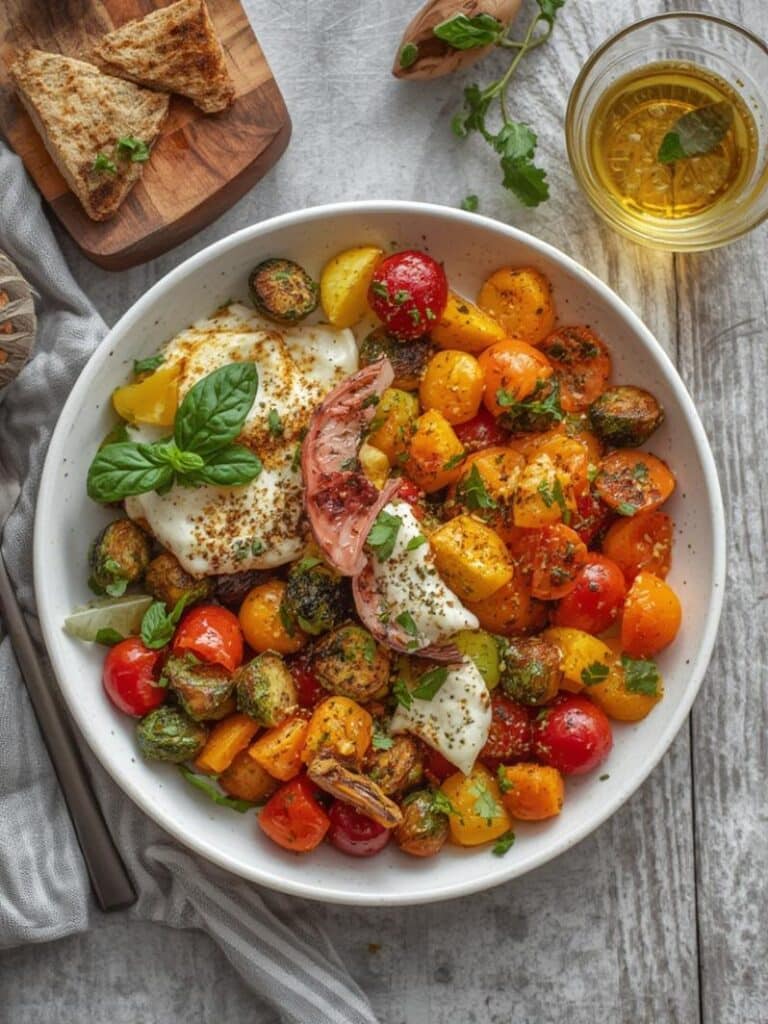
Growing up in Asheville, my kitchen always smelled of olive oil and fresh herbs. My grandmother would prepare simple Mediterranean diet snacks that kept us satisfied between meals without the guilt. These snacks became my go-to solution during busy afternoons at college and now, as I develop recipes for WePostRecipes. The Mediterranean approach to snacking changed how I view “between meal” eating—it’s not just about curbing hunger but nourishing your body with vibrant, whole foods that deliver both satisfaction and nutrition.
IN THIS ARTICLE
Key Takeaways: What You Need To Know
– Mediterranean diet snacks focus on whole foods like vegetables, fruits, nuts, seeds, and olive oil
– Prep ingredients ahead of time for quick 5-10 minute assembly
– These snacks provide sustained energy without blood sugar spikes
– Most options require minimal cooking skills, perfect for beginners
– Each snack delivers protein, healthy fats, and complex carbs in balanced proportions
– Store-bought components can be used to save time while maintaining nutritional value
What Makes Mediterranean Diet Snacks Different?
Mediterranean diet snacks differ from typical American snacks by focusing on fresh whole foods, healthy fats from olive oil and nuts, moderate protein, and minimal processing. They emphasize seasonal ingredients, balanced nutrition, and satisfaction rather than empty calories.
Growing up in the mountains of North Carolina, my idea of snacking used to be whatever came in a bag from the grocery store. That all changed when my aunt returned from a culinary tour of Greece and Italy. She introduced our family to a completely different approach to between-meal eating.
The Mediterranean snack philosophy transformed how I think about food. Instead of reaching for chips when hunger strikes, I now create simple, nourishing bites that keep me satisfied longer. This approach has been a game-changer for my home cooking students who often struggle with snack choices.
How Do Mediterranean Snacks Support Health Goals?
The Mediterranean diet consistently ranks among the world’s healthiest eating patterns, and its approach to snacking reflects this status. Unlike highly processed snack foods that spike blood sugar and leave you hungry shortly after, Mediterranean options provide sustained energy through a balanced mix of nutrients.
Research from the Harvard School of Public Health shows that following Mediterranean dietary patterns reduces inflammation, supports heart health, and may even extend lifespan. The snacks I share with my cooking students incorporate this wisdom through ingredients rich in:
– Omega-3 fatty acids from nuts and seeds
– Antioxidants from colorful fruits and vegetables
– Heart-healthy monounsaturated fats from olive oil
– Fiber from whole grains and legumes
What Core Ingredients Define Mediterranean Snacking?
The beauty of Mediterranean snacking lies in its simplicity. When I revamped my pantry to support this style of eating, I focused on stocking these foundational ingredients:
Plant-Based Champions:
– Fresh vegetables and fruits
– Legumes (chickpeas, lentils, beans)
– Whole grains (farro, barley, whole wheat)
Healthy Fat Sources:
– Extra virgin olive oil
– Nuts (almonds, walnuts, pistachios)
– Seeds (sunflower, pumpkin, sesame)
Flavor Builders:
– Fresh herbs (basil, mint, parsley)
– Spices (oregano, cumin, cinnamon)
– Garlic and onions
During my cooking workshops in Asheville, I emphasize that you don’t need every ingredient to create authentic Mediterranean snacks. Even a handful of these staples can produce satisfying results that honor the tradition while adapting to modern American kitchens.
5 Quick Mediterranean Snacks Ready in 5 Minutes or Less
Five Mediterranean snacks ready in under 5 minutes include Greek yogurt with honey and walnuts, cucumber hummus bites, olive tapenade on whole grain crackers, stuffed dates with nut butter, and quick caprese skewers with cherry tomatoes, mozzarella and basil.
When I’m developing recipes for my blog, I’m often working against the clock. These lightning-fast Mediterranean snacks have saved me countless times when hunger threatens to derail my focus. The best part? They require minimal preparation yet deliver maximum satisfaction.
No-Cook Mediterranean Snack Ideas for Busy Days
On the busiest days, even five minutes of preparation can feel like too much. That’s when these no-cook options become lifesavers:
1. Greek Yogurt Parfait
Mix 1/2 cup Greek yogurt with 1 teaspoon honey, a sprinkle of cinnamon, and 1 tablespoon chopped walnuts. This protein-rich snack keeps me full for hours when I’m testing recipes for my Mediterranean breakfast collection.
2. Cucumber Hummus Rounds
Slice one cucumber into rounds, top each with a dollop of store-bought hummus and a sprinkle of paprika. When teaching beginners how to incorporate more vegetables, this is always the first snack I demonstrate.
3. Stuffed Dates
Slice open 3-4 Medjool dates, remove pits, and stuff each with 1/2 teaspoon almond butter and a small piece of dark chocolate. The sweet-savory combination satisfies afternoon cravings without the sugar crash.
4. Mediterranean Snack Plate
Arrange a small handful of olives, 2-3 thin slices of feta cheese, a few whole grain crackers, and some cucumber slices on a plate. This impromptu mezze platter has become my go-to when friends drop by unexpectedly.
5. Quick Caprese Skewers
Thread cherry tomatoes, small mozzarella balls, and basil leaves onto toothpicks. Drizzle with olive oil and balsamic glaze. These colorful bites are perfect for sharing at casual gatherings.
Simple Assembly Mediterranean Snacks Worth Making
Some Mediterranean snacks require minimal assembly but deliver remarkable flavor combinations. These options take just a few extra seconds but elevate the snacking experience significantly:
1. Mediterranean Avocado Toast
Toast a slice of whole grain bread, spread with ripe avocado, and top with cherry tomatoes, a sprinkle of feta, and za’atar seasoning. This hearty snack often serves as a quick lunch when I’m developing Mediterranean salad recipes.
2. Greek-Inspired Rice Cake Stacks
Top whole grain rice cakes with a thin layer of Greek yogurt, sliced cucumber, diced roasted red pepper, and a light sprinkle of oregano. These crunchy, creamy bites offer satisfying texture contrasts.
3. Olive Tapenade Mini Sandwiches
Spread store-bought olive tapenade between two small squares of whole grain pita. The savory, briny flavor pairs perfectly with afternoon tea or coffee.
4. Mediterranean Yogurt Dip
Mix Greek yogurt with lemon zest, minced garlic, chopped dill, and a drizzle of olive oil. Serve with carrot and bell pepper sticks for a protein-rich veggie dipper.
How to Prepare Mediterranean Dips and Spreads at Home
Homemade Mediterranean dips and spreads are simple to prepare by blending whole ingredients like chickpeas, yogurt, eggplant, or bell peppers with olive oil, garlic, herbs, and spices. Most require just 5-10 minutes in a food processor and last 3-5 days refrigerated.
One of my favorite cooking lessons to teach beginners is how to make Mediterranean dips. Unlike store-bought versions that often contain preservatives and excessive sodium, homemade dips let you control ingredients while saving money. The process is surprisingly simple, even for kitchen novices.
Classic Hummus and Its Creative Variations
When I first started making hummus in my Asheville kitchen, I was amazed by how four simple ingredients could create something so delicious. Here’s my foolproof basic hummus that serves as a foundation for countless variations:
Classic Hummus Recipe:
1. Drain and rinse 1 can (15 oz) chickpeas, reserving 2 tablespoons liquid
2. In a food processor, combine chickpeas, 2 tablespoons tahini, 1 clove garlic, juice of 1 lemon, and 3 tablespoons olive oil
3. Process until smooth, adding reserved chickpea liquid as needed
4. Season with salt, pepper, and a sprinkle of paprika
From this foundation, I’ve created countless variations for my recipe blog. Some favorite twists include:
– Roasted Red Pepper Hummus: Add 1/3 cup roasted red peppers
– Herb Garden Hummus: Add 1/4 cup mixed fresh herbs (parsley, basil, cilantro)
– Kalamata Olive Hummus: Add 1/4 cup pitted kalamata olives
– Roasted Garlic Hummus: Replace raw garlic with 3-4 cloves roasted garlic
Hummus pairs beautifully with vegetable sticks, whole grain pita triangles, or as a spread on Mediterranean bowls.
Beyond Hummus: Other Mediterranean Dips Worth Trying
While hummus gets most of the attention, the Mediterranean diet offers a wealth of other dip options that deserve a place in your snacking rotation. These have become staples in my recipe development kitchen:
Quick Tzatziki:
1. Grate 1/2 cucumber and squeeze out excess moisture
2. Mix with 1 cup Greek yogurt, 1 minced garlic clove, 1 tablespoon lemon juice, and 1 tablespoon chopped dill
3. Season with salt and drizzle with olive oil before serving
5-Minute Baba Ganoush:
1. Use 1 cup store-bought roasted eggplant (or roast your own ahead of time)
2. Process with 2 tablespoons tahini, 1 garlic clove, 2 tablespoons lemon juice, and 2 tablespoons olive oil
3. Season with salt, pepper, and a pinch of cumin
Whipped Feta Dip:
1. Blend 6 oz feta cheese with 2 tablespoons Greek yogurt and 1 tablespoon olive oil until smooth
2. Stir in 1 teaspoon lemon zest and freshly ground black pepper
3. Drizzle with honey for a sweet-savory contrast
These dips store well in airtight containers for 3-5 days, making them perfect for prep-ahead snacking. I often make a double batch when testing Mediterranean bean salad recipes, using the extra beans for dips.
Portable Mediterranean Snacks for Work or Travel
Portable Mediterranean snacks include trail mix with nuts and dried fruits, olive and cheese skewers, vegetable and hummus jars, whole grain pita with tzatziki, and Mediterranean energy balls. These travel-friendly options require minimal refrigeration and can be prepped in advance.
As someone who frequently travels for culinary inspiration, I’ve mastered the art of packing Mediterranean snacks that travel well. These options have sustained me through long drives across North Carolina’s Blue Ridge Mountains and flights to culinary workshops across the country.
How to Pack Mediterranean Snacks for Maximum Freshness
The key to successful snack packing lies in strategic layering and proper containers. Here’s how I ensure my Mediterranean snacks arrive fresh and appetizing:
For Dips and Spreads:
– Use leak-proof containers with tight seals
– Place a thin layer of olive oil on top of hummus or baba ganoush to prevent drying
– Pack dippers separately to maintain crispness
– Keep cold with a small ice pack if traveling more than 2 hours
For Assembled Snacks:
– Use mason jars for layered components (dressing at bottom, crunchy items on top)
– Wrap pita sandwiches in parchment paper before placing in containers
– Insert toothpicks through multiple components to prevent shifting
– Allow hot ingredients to cool completely before packing to prevent condensation
When traveling with colleagues to food photography sessions, I always bring a few extra Mediterranean snacks. They’re invariably a hit and have converted many friends to this style of eating.
No-Refrigeration Mediterranean Snack Ideas
Some journeys don’t allow for refrigeration. These shelf-stable Mediterranean snacks have been my salvation on long road trips and outdoor adventures:
Mediterranean Trail Mix:
Combine 1/4 cup each of almonds, pistachios, and dried apricots with 2 tablespoons dark chocolate chips and 1 tablespoon dried herbs. This energy-boosting mix stays fresh in a sealed container for weeks.
Mediterranean Energy Balls:
Process 1 cup dates, 1/2 cup walnuts, 2 tablespoons tahini, 1 tablespoon honey, and 1 teaspoon cinnamon in a food processor. Roll into tablespoon-sized balls and dust with coconut. These nutrient-dense bites provide stable energy during long afternoons.
Olive Oil Crackers with Herbs:
Store-bought whole grain crackers with herbs travel well and pair perfectly with shelf-stable toppings like olive tapenade or sun-dried tomato spread.
Fig and Almond Bars:
These can be made ahead by pressing a mixture of chopped dried figs, almonds, sesame seeds, and a touch of honey into a parchment-lined container and refrigerating until firm. Cut into bars and wrap individually for on-the-go snacking.
When teaching cooking classes to travelers, I always emphasize that eating Mediterranean-style doesn’t have to stop when you’re away from home. These portable options maintain the nutritional integrity of the diet while adapting to modern mobility needs.
Mediterranean Diet Snacks for Special Dietary Needs
Direct Answer Summary: Mediterranean diet snacks can easily accommodate special dietary needs. For gluten-free diets, focus on vegetable-based options, legume dips, and rice crackers. Dairy-free alternatives utilize olive oil, tahini, and plant-based yogurts. Vegetarian and vegan snacks leverage nuts, seeds, legumes, and plant foods central to the Mediterranean diet.
Teaching cooking classes in Asheville introduced me to people with diverse dietary needs. The good news? Mediterranean snacking is one of the most adaptable approaches to food, easily modified for various requirements without sacrificing flavor or nutritional value.
Gluten-Free Mediterranean Snack Options
For those avoiding gluten, the Mediterranean diet offers abundant naturally gluten-free options:
Vegetable-Based Alternatives:
– Bell pepper “boats” filled with tzatziki
– Cucumber rounds topped with olive tapenade
– Zucchini ribbons wrapped around feta and mint
Grain Substitutions:
– Rice cakes instead of pita for dips
– Chickpea crackers as a vehicle for spreads
– Polenta squares as a base for toppings
My neighbor with celiac disease particularly loves my Mediterranean quinoa salad stuffed into mini bell peppers as a protein-rich snack. The combination provides satisfying crunch without a trace of gluten.
| Common Mediterranean Ingredient | Gluten-Free Alternative |
|---|---|
| Pita bread | Rice cakes or gluten-free pita |
| Couscous | Quinoa or cauliflower “couscous” |
| Bulgur wheat | Millet or buckwheat groats |
| Filo dough | Rice paper wrappers |
Dairy-Free and Vegan Mediterranean Snacking
The Mediterranean diet traditionally includes dairy, but it’s easily adapted for those avoiding animal products. These modifications have become staples in my recipe testing:
Dairy-Free Alternatives:
– Use tahini instead of yogurt as a creamy base for dips
– Replace feta with marinated tofu cubes seasoned with nutritional yeast and herbs
– Substitute olive oil for butter in baked goods
– Create creamy dips using avocado instead of yogurt
Vegan Protein Sources:
– Hummus and bean-based dips provide complete proteins
– Nuts and seeds offer satiating plant fats and protein
– Marinated tempeh cubes make excellent skewer components
– Lentil-based spreads create satisfying sandwich fillings
When developing my Mediterranean chickpea salad recipe, I created a vegan version that’s become one of the most popular snacks at my workshops. The key is balancing flavors and textures so nobody feels they’re missing out.
“I never thought Mediterranean food could be so satisfying without cheese,” remarked Julie, a dairy-free participant in my cooking class. “These snack ideas have completely changed my afternoon eating habits.”
Making Mediterranean Snacking a Daily Habit
Direct Answer Summary: To make Mediterranean snacking a daily habit, dedicate 30 minutes weekly to prep key ingredients, reorganize your kitchen to make healthy options visible and accessible, batch-prepare dips and spreads, and create a rotation of 5-7 go-to snacks that fit your lifestyle and preferences.
Transforming your snacking habits doesn’t happen overnight. As I share with my cooking students, sustainable change requires both strategy and patience. Here’s how I’ve helped hundreds of people make the Mediterranean approach to snacking a natural part of their daily routine.
Weekly Prep Strategies for Hassle-Free Mediterranean Snacks
The secret to consistent Mediterranean snacking lies in preparation. Just 30 minutes of weekly prep can set you up for success:
Sunday Prep Routine:
1. Wash and chop fresh vegetables into snack-sized portions
2. Prepare 1-2 dips or spreads that will last the week
3. Portion nuts and seeds into grab-and-go containers
4. Hard boil eggs for protein-rich snack options
5. Pre-mix dry ingredients for energy balls or trail mix
When testing recipes for Mediterranean rice dishes, I often make extra to repurpose into rice cakes for the week ahead. This kind of intentional cooking saves tremendous time.
Storage Solutions That Extend Freshness:
– Store cut vegetables in water-filled containers to maintain crispness
– Freeze Greek yogurt in ice cube trays for smoothie additions
– Keep nuts and seeds in the refrigerator to prevent rancidity
– Use glass containers with tight-fitting lids for maximum freshness
How to Overcome Common Mediterranean Snacking Challenges
Even with the best intentions, obstacles can derail new habits. These solutions address the most common challenges my cooking students face:
Challenge: “I don’t have time to prepare snacks.”
Solution: Focus on “assembly” rather than cooking. Keep components ready to combine in moments: pre-washed vegetables, store-bought hummus, and portioned nuts can become a snack in seconds.
Challenge: “My family prefers conventional snacks.”
Solution: Introduce Mediterranean options alongside familiar favorites. When testing my Mediterranean meatballs, I created mini versions served with toothpicks that won over even the pickiest eaters.
Challenge: “Mediterranean ingredients are expensive.”
Solution: Focus on seasonal produce and pantry staples. Canned beans, frozen vegetables, and bulk nuts can dramatically reduce costs while maintaining nutritional value.
Challenge: “I get bored easily.”
Solution: Create a rotation of 5-7 different snacks and cycle through them. Experiment with one new option weekly to discover new favorites without overwhelming yourself.
One participant in my cooking workshop shared: “I was skeptical about switching to Mediterranean snacks, thinking they’d be complicated and time-consuming. But Chloe showed me how to prep a week’s worth in just 30 minutes. Three months later, I’ve lost weight and have more energy than ever before.”
When teaching people to incorporate Mediterranean salmon and other proteins into their diet, I emphasize that consistent small changes yield the most sustainable results. The same principle applies to snacking—start with just one Mediterranean option daily, then gradually increase as it becomes second nature.
Conclusion: Why Mediterranean Snacks Are Worth the Switch
My journey into Mediterranean snacking began with simple curiosity and evolved into a complete transformation of my eating habits. The benefits extend far beyond nutrition—these snacks have become a vehicle for creativity, connection, and cultural exploration in my kitchen.
What makes Mediterranean snacks truly special is their perfect balance of simplicity and satisfaction. Unlike complicated diet regimens that feel restrictive, this approach celebrates food’s natural flavors and textures. Whether you’re making Mediterranean steak bowls for dinner or assembling a quick afternoon snack, the principles remain the same: fresh ingredients, minimal processing, and maximum enjoyment.
I encourage you to start with just one or two ideas from this guide. Notice how these snacks make you feel—both during consumption and hours afterward. Most of my cooking students report longer-lasting satisfaction and more stable energy compared to conventional snacks.
If you’re looking for more Mediterranean inspiration, my Mediterranean pasta salad and Mediterranean ground beef stir-fry recipes provide additional ways to incorporate these flavors into your daily routine.
Remember that adapting your snacking habits isn’t about perfection—it’s about progress. Each Mediterranean option you choose is a step toward better health and more mindful eating. As we say in my Asheville kitchen: “Simplicity first, creativity always.”