Disclaimer: This content is for educational purposes only, not medical advice. Always consult with a doctor before making significant changes to your diet, especially if you have pre-existing health conditions.
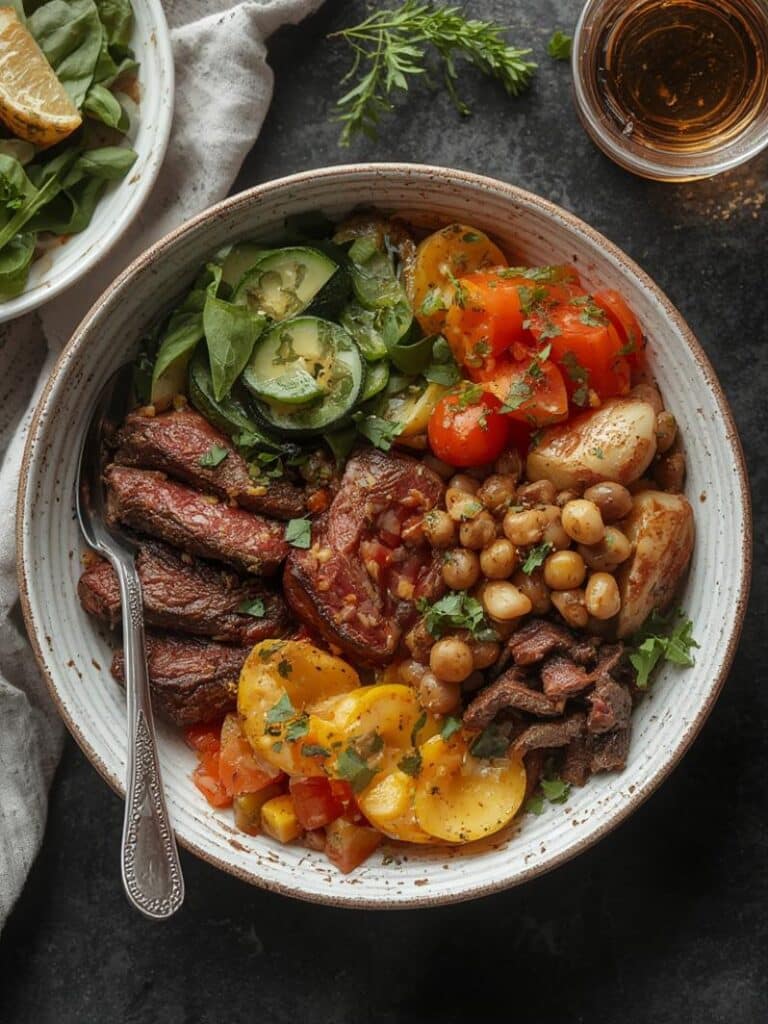
When I created this Mediterranean steak bowl recipe last summer, I was desperately seeking a dinner that combined simplicity with bold flavors. Growing up in Asheville, our family always valued meals that brought everyone together without hours of kitchen prep. This bowl does exactly that—tender steak strips nestled alongside colorful vegetables, creamy hummus, and tangy tzatziki, all drizzled with a bright lemon-herb dressing. The wonderful thing about this mediterranean steak bowl is how it transforms everyday ingredients into something special that feels both nourishing and indulgent.
I still remember the first time I served this to my family—the kitchen filled with the aromatic scent of herbs and grilled steak while everyone customized their bowls to personal preference. It’s become a WePostRecipes reader favorite because it delivers on flavor without complicated techniques. Whether you’re new to cooking or just looking for a fresh weeknight dinner idea, this Mediterranean steak bowl brings restaurant-quality taste right to your table with surprisingly little effort.
IN THIS ARTICLE
Key Takeaways: What You Need To Know
– A Mediterranean steak bowl combines grilled marinated steak with fresh vegetables, grains, and flavorful sauces.
– Prep components ahead of time for quick assembly on busy weeknights.
– The Mediterranean approach incorporates heart-healthy ingredients like olive oil, fresh vegetables, and whole grains.
– Customize your bowl with preferred protein, vegetables, and toppings while maintaining the Mediterranean flavor profile.
– This versatile recipe works with various cooking methods including grilling, stovetop, or broiling.
– Leftovers can be repurposed into wraps, salads, or breakfast bowls for multiple meals.
What Makes a Perfect Mediterranean Steak Bowl?
The perfect Mediterranean steak bowl combines tender, well-seasoned steak with colorful vegetables, wholesome grains, and flavor-packed sauces inspired by Mediterranean cuisine. Each component should contribute texture and taste while maintaining balance, with the steak as the protein centerpiece complemented by fresh produce and aromatic herbs.
Growing up in Asheville, I developed a deep appreciation for fresh, seasonal ingredients. This approach carries through to my mediterranean steak bowl, where quality ingredients make all the difference. The beauty of Mediterranean cuisine lies in its simplicity—allowing excellent ingredients to shine through minimal preparation.
Key Components for an Authentic Mediterranean Bowl
The foundation of any great Mediterranean steak bowl starts with these essential elements that work together to create that unmistakable flavor profile:
1. Protein: Marinated steak (typically sirloin, flank, or ribeye) provides savory depth
2. Grains: Fluffy couscous, quinoa, or brown rice serves as the base
3. Vegetables: Tomatoes, cucumbers, red onions, and bell peppers add freshness and color
4. Healthy fats: Olives, avocado, and extra virgin olive oil contribute richness
5. Herbs and seasonings: Fresh mint, parsley, oregano, and za’atar bring aromatic complexity
6. Sauces: Tzatziki, hummus, or tahini dressing ties everything together
Each component plays an essential role in creating a balanced meal that satisfies on multiple levels. The combination of warm steak and grains with cool, crisp vegetables creates a pleasing contrast that makes these bowls so irresistible.
How Does This Differ From Other Bowl Recipes?
What sets a mediterranean steak bowl apart from other bowl-based meals are the distinctive flavor profiles and ingredient combinations unique to the Mediterranean region. While many bowl recipes follow similar assembly principles, several characteristics make this version special:
Mediterranean bowls emphasize olive oil rather than other cooking oils, incorporating ingredients from the Mediterranean diet, widely recognized for its health benefits. Unlike Asian-inspired bowls that might use soy sauce or rice vinegar, Mediterranean bowls feature lemon juice, red wine vinegar, and herbs for acidity and flavor depth.
The protein preparation also differs significantly—instead of glazed or sweet marinades common in other bowl styles, Mediterranean steak relies on herbs, garlic, olive oil, and lemon for its characteristic flavor profile. This creates a meal that feels substantial without heaviness, perfect for those nights when you want something satisfying that won’t leave you feeling weighed down.
When I first started experimenting with these bowls, I noticed how the Mediterranean approach naturally lends itself to a fresher, more vibrant meal compared to the rice-based bowls I had tried before. The contrast between warm, savory steak and cool, crisp vegetables creates a particularly satisfying eating experience.
Essential Ingredients and Substitutions for Your Mediterranean Bowl
A Mediterranean steak bowl requires tender marinated steak (sirloin, flank, or ribeye), a grain base (couscous, quinoa, rice), fresh vegetables (tomatoes, cucumbers, bell peppers), healthy fats (olives, feta), and complementary sauces (tzatziki, hummus). Most ingredients can be substituted while maintaining Mediterranean flavors—chicken or salmon can replace steak, while plant-based alternatives work for vegetarian versions.
One aspect I love about teaching home cooks to make these Mediterranean steak bowls is their incredible flexibility. While I’ve perfected my favorite combination through years of cooking in my Asheville kitchen, the recipe welcomes adaptations based on what’s available and personal preferences.
The Best Cuts of Steak for Mediterranean Bowls
Selecting the right cut of steak significantly impacts your Mediterranean bowl’s final quality. Through considerable testing, I’ve found these cuts work exceptionally well:
| Steak Cut | Best Qualities |
|---|---|
| Sirloin | Great balance of tenderness and flavor, reasonably priced |
| Flank Steak | Absorbs marinade exceptionally well, slice against the grain |
| Ribeye | Rich marbling creates juicy, flavorful pieces (more expensive option) |
| Strip Steak | Good texture with pronounced beef flavor |
For weeknight cooking, I typically choose sirloin—it offers the perfect balance of tenderness, flavor, and value. The key to any cut is proper preparation: marinate for at least 30 minutes (or up to overnight), cook to medium-rare or medium, and always let the meat rest before slicing thinly against the grain.
While beef is traditional, don’t feel limited—chicken, lamb, or salmon work beautifully in these bowls too. For vegetarians, marinated portobello mushrooms or halloumi cheese provide satisfying alternatives with complementary flavors.
What Vegetables Work Best in Mediterranean Steak Bowls?
The vegetable component brings freshness, color, and nutritional balance to your mediterranean steak bowl. I recommend these vegetables for their authentic Mediterranean flavor and textural contrast:
– Cherry tomatoes or diced tomatoes: Provide juicy sweetness and vibrant color
– Cucumber: Adds refreshing crunch (English or Persian varieties work best)
– Bell peppers: Red, yellow, or orange peppers bring sweetness and visual appeal
– Red onion: Contributes sharpness that balances the rich steak (quick-pickle them for less intensity)
– Artichoke hearts: Add distinctive Mediterranean flavor (marinated or canned work well)
– Kalamata olives: Deliver salty, briny notes characteristic of Mediterranean cuisine
– Fresh greens: Arugula, spinach, or mixed greens create a fresh base
Don’t hesitate to include seasonal vegetables like summer squash, eggplant, or roasted root vegetables in cooler months. Having grown up in a region where seasonal eating was the norm, I’ve found that following what’s fresh often leads to the most flavorful results.
For busy weeknights, I sometimes use pre-chopped vegetables from the grocery store. While not quite as perfect as fresh-cut, they still create a delicious bowl and save precious prep time when you’re short on minutes but don’t want to sacrifice a nutritious homemade meal.
Perfect Steak Marinade for Mediterranean Flavors
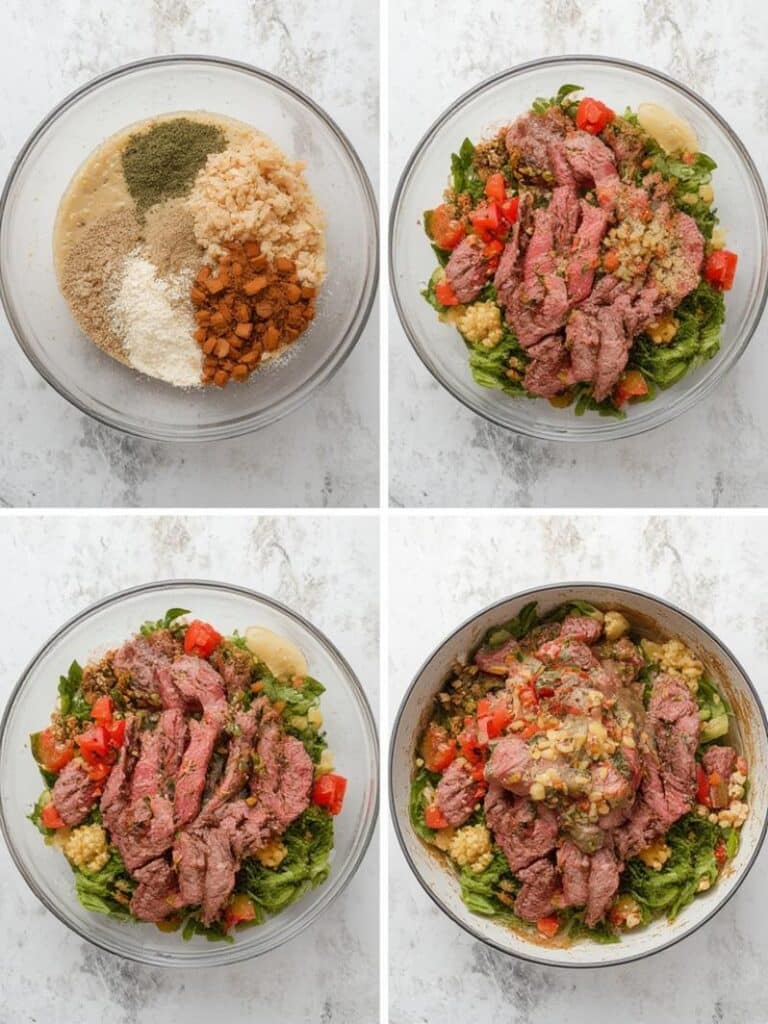
The ideal Mediterranean steak marinade combines extra virgin olive oil, fresh lemon juice, minced garlic, dried oregano, fresh herbs (rosemary, thyme), salt, pepper, and a touch of red wine vinegar. This mixture should coat the steak for at least 30 minutes or up to overnight in the refrigerator to develop maximum flavor while tenderizing the meat.
Developing the perfect marinade for my mediterranean steak bowl took considerable experimentation. The goal was creating something that infused the meat with authentic Mediterranean flavors without overpowering its natural qualities. This marinade has become one of my signature recipes at WePostRecipes, striking the perfect balance between bold flavors and simplicity.
How to Make a Simple Greek-Inspired Steak Marinade
This marinade transforms even moderately priced cuts of steak into something special. The acid from lemon juice and vinegar helps tenderize the meat while the herbs and garlic infuse it with classic Mediterranean flavors:
Mediterranean Steak Marinade (for 1-1.5 pounds steak):
– 1/4 cup extra virgin olive oil
– 2 tablespoons fresh lemon juice
– 3 garlic cloves, minced
– 1 tablespoon dried oregano
– 1 teaspoon fresh rosemary, finely chopped
– 1/2 teaspoon dried thyme (or 1 teaspoon fresh)
– 1 teaspoon kosher salt
– 1/2 teaspoon freshly ground black pepper
– 1 tablespoon red wine vinegar
– Optional: pinch of red pepper flakes for subtle heat
Simply whisk all ingredients together in a bowl, place your steak in a zip-top bag or shallow dish, pour the marinade over, and ensure it coats all surfaces. Refrigerate for at least 30 minutes, though 2-4 hours produces even better results. For tougher cuts like flank steak, overnight marinating works wonders.
The magic of this marinade lies in its versatility—it works equally well with chicken, pork, or even firm fish like swordfish if you’re looking to substitute the protein in your Mediterranean bowl.
How Long Should You Marinate Steak for Best Results?
The optimal marinating time depends on several factors including the cut of steak, its thickness, and your schedule. Through my years of recipe development for WePostRecipes, I’ve found these guidelines work reliably:
| Cut of Steak | Recommended Marinating Time |
|---|---|
| Tender cuts (ribeye, NY strip) | 30 minutes to 2 hours |
| Sirloin | 1 to 4 hours |
| Flank or skirt steak | 2 hours to overnight |
Avoid marinating tender steaks for too long—the acid can actually start breaking down the proteins too much, resulting in mushy texture. If you’re short on time, even 15 minutes imparts some flavor, though not as deeply as a longer soak.
A tip I often share with my readers: if planning ahead, place your steak and marinade in a freezer-safe bag and freeze. As it thaws in the refrigerator before cooking, it will marinate simultaneously, creating a time-saving solution for busy weeknights.
For maximum flavor penetration, pierce the steak several times with a fork before marinating. This creates channels for the marinade to penetrate deeper into the meat rather than just flavoring the surface. I learned this technique from my grandmother, who believed small details made the difference between good and extraordinary meals.
How to Cook Steak Perfectly for Your Mediterranean Bowl
For perfect steak in a Mediterranean bowl, bring meat to room temperature for 30 minutes, pat dry, and season if not marinated. Heat a cast-iron skillet or grill to high heat. For medium-rare on a 1-inch thick steak, cook 3-4 minutes per side, then rest 5-10 minutes before slicing thinly against the grain. Target internal temperature of 130-135°F for medium-rare.
Cooking steak properly is often the most intimidating part of creating a mediterranean steak bowl, but it doesn’t need to be. As someone who’s taught countless home cooks through WePostRecipes, I’ve refined these techniques to be accessible for any skill level.
What’s the Best Way to Cook Steak for Bowl Recipes?
Through years of testing, I’ve found three methods work exceptionally well for Mediterranean steak bowls, each offering slightly different results:
Cast Iron Skillet Method:
1. Heat a cast iron skillet over high heat until smoking hot
2. Add 1 tablespoon high-heat oil (avocado or grapeseed)
3. Place steak in pan and cook 3-4 minutes per side for medium-rare (1-inch thick steak)
4. For thicker cuts, finish in a 375°F oven until desired temperature
5. Let rest before slicing
The cast iron method creates an excellent crust while retaining juiciness. It’s my go-to method during cooler months in Asheville when grilling isn’t as convenient.
Grilling Method:
1. Preheat grill to high heat (450-500°F)
2. Clean and oil grates to prevent sticking
3. Grill steak 3-5 minutes per side for medium-rare
4. Move to indirect heat if exterior is browning too quickly
5. Let rest before slicing
Grilling adds a subtle smokiness that complements the Mediterranean flavors beautifully. During summer, this is often my preferred technique.
Broiler Method:
1. Position oven rack 4-6 inches from broiler
2. Preheat broiler on high
3. Place steak on a broiler pan or foil-lined baking sheet
4. Broil 4-5 minutes per side for medium-rare
5. Let rest before slicing
The broiler method works surprisingly well when you don’t have access to a grill or proper skillet. I’ve used this technique in vacation rentals with limited kitchen equipment and still achieved delicious results.
Regardless of method, always allow your steak to rest for 5-10 minutes before slicing. This redistributes the juices throughout the meat, ensuring every bite is moist and flavorful. Slice thinly against the grain for maximum tenderness.
Temperature Guide for Perfectly Cooked Steak
Achieving your preferred doneness consistently requires understanding target temperatures. Use this guide for reliable results:
| Doneness | Pull Temperature | Final Temperature |
|---|---|---|
| Rare | 120-125°F | 125-130°F |
| Medium-Rare | 130-135°F | 135-140°F |
| Medium | 140-145°F | 145-150°F |
| Medium-Well | 150-155°F | 155-160°F |
The “pull temperature” refers to when you should remove the steak from heat, accounting for carryover cooking that will raise the temperature another 5 degrees as it rests. An instant-read digital thermometer is a worthwhile investment for consistent results.
For Mediterranean steak bowls, I recommend medium-rare to medium doneness—this keeps the meat tender and juicy while ensuring it’s fully cooked. However, personal preference should guide your decision.
One reader, Jessica from Denver, shared: “I was always nervous about cooking steak, but following Chloe’s temperature guide gave me the confidence to try. Now my husband requests her Mediterranean steak bowl weekly—it’s become our favorite healthy dinner!”
Building Your Mediterranean Steak Bowl: Assembly and Presentation
To assemble a Mediterranean steak bowl, start with a base of grains or greens, arrange sliced steak and vegetables in separate sections, add toppings like feta and olives, then drizzle with sauce. For visual appeal, arrange ingredients in color-contrasting sections rather than mixing, and finish with fresh herbs, lemon wedges, and a final drizzle of quality olive oil.
The assembly of your mediterranean steak bowl is where creativity meets practicality. As a home cook from Asheville who values both aesthetics and efficiency, I’ve developed a simple approach that creates Instagram-worthy bowls without fussy techniques.
Step-by-Step Bowl Assembly for Maximum Appeal
Follow this sequence for beautiful, well-balanced Mediterranean steak bowls every time:
1. Start with the base: Add warm grains (couscous, quinoa, or rice) or leafy greens to one side of your bowl, filling roughly one-third of the space.
2. Position the steak: Place your sliced steak next to the base, arranging the pieces slightly overlapping for height and visual interest.
3. Add fresh vegetables: Arrange cucumber, tomatoes, bell peppers, and red onions in separate sections, creating a color wheel effect around the bowl.
4. Include Mediterranean specialties: Position olives, artichoke hearts, and roasted red peppers in smaller groupings between the fresh vegetables.
5. Add creamy elements: Place a dollop of hummus, tzatziki, or chickpea spread in one section of the bowl.
6. Sprinkle with cheese and nuts: Add crumbled feta cheese and toasted pine nuts or slivered almonds across the top.
7. Finish with herbs and garnishes: Scatter fresh herbs like parsley, mint, or dill over everything, and add a lemon wedge for serving.
8. Drizzle with dressing: Lightly drizzle your dressing or good olive oil over the entire bowl just before serving.
This approach creates defined sections that allow each ingredient to shine while making an impressive presentation. Unlike fully mixed bowls, this style lets everyone appreciate the individual components before mixing to their preference.
When teaching workshops, I always emphasize that people eat with their eyes first. A thoughtfully arranged bowl elevates the dining experience, even on busy weeknights at home.
Creative Sauces and Dressings for Mediterranean Bowls
The sauce or dressing you choose can transform your mediterranean steak bowl from good to extraordinary. Here are three of my favorite options that have become reader favorites:
Classic Lemon-Herb Dressing:
– 1/4 cup extra virgin olive oil
– 2 tablespoons fresh lemon juice
– 1 small garlic clove, finely grated
– 1 teaspoon honey or maple syrup
– 1 tablespoon fresh herbs (parsley, dill, or mint), finely chopped
– Salt and pepper to taste
– Optional: 1/2 teaspoon Dijon mustard
Whisk all ingredients together or shake in a jar. This bright, versatile dressing complements all components of the bowl without overpowering them.
Creamy Tahini Sauce:
– 1/4 cup tahini
– 2-3 tablespoons warm water
– 2 tablespoons fresh lemon juice
– 1 small garlic clove, minced
– 1/2 teaspoon ground cumin
– Salt to taste
– Optional: pinch of cayenne pepper
Whisk tahini with lemon juice (it will thicken), then gradually add warm water until you reach desired consistency. Add remaining ingredients and adjust seasoning. This rich, nutty sauce adds wonderful depth to the bowl.
Yogurt-Cucumber Tzatziki:
– 1/2 cup Greek yogurt
– 1/4 cup grated cucumber, excess water squeezed out
– 1 small garlic clove, grated
– 1 tablespoon fresh dill or mint, chopped
– 1 tablespoon olive oil
– 1 tablespoon lemon juice
– Salt and pepper to taste
Mix all ingredients in a bowl and let sit for at least 15 minutes before serving. This cooling sauce provides wonderful contrast to the warm steak.
I recommend offering at least two sauce options when serving these bowls. The combination of a lighter vinaigrette with a creamy option allows everyone to customize their experience. My family in Asheville always appreciates having choices, and I’ve carried this philosophy into my recipes at WePostRecipes.
Make-Ahead Tips and Storage for Mediterranean Steak Bowls
For make-ahead Mediterranean steak bowls, prepare components separately: marinate steak up to 24 hours ahead, cook grains and store refrigerated up to 3 days, chop vegetables and store in airtight containers up to 2 days, and prepare sauces up to 5 days in advance. Assemble just before eating. Fully assembled leftovers keep 2-3 days refrigerated; store sauce separately for best results.
As someone who values both good food and practicality, I’ve developed these make-ahead strategies through years of meal planning in my own Asheville kitchen. The mediterranean steak bowl is particularly well-suited for advance preparation, making it perfect for busy households.
Can You Meal Prep Mediterranean Bowls?
Mediterranean steak bowls are ideal for meal prep, allowing you to enjoy this nutritious, flavorful meal throughout the week with minimal effort. Here’s my tested approach:
Weekend Prep Plan (1 hour total):
1. Cook your grain base: Prepare a large batch of couscous, quinoa, or rice according to package directions. Cool completely before storing in airtight containers.
2. Marinate and cook protein: Marinate steak for 1-2 hours, then cook to medium-rare (slightly underdone if reheating later). Let cool completely, then slice against the grain and store.
3. Prepare vegetables: Wash and chop all vegetables, keeping wet items (like tomatoes and cucumbers) separate from drier items. Store in individual containers or divided containers.
4. Mix sauces and dressings: Prepare your preferred sauces, store in small jars or containers.
5. Toast nuts and prepare garnishes: Toast any nuts or seeds and store at room temperature in airtight containers. Wash and dry herbs, keeping whole until ready to use.
With all components ready, you can quickly assemble fresh bowls in minutes throughout the week. I recommend storing steak separately from other ingredients and reheating gently before adding to your bowl—either in a microwave for 20-30 seconds or briefly in a hot skillet.
For vegetable-heavy components, I often use the bean salad approach—combining items like tomatoes, cucumbers, and olives with a bit of dressing to create a ready-to-use Mediterranean salad that keeps well for several days.
How to Store and Reheat Leftovers
Proper storage and reheating techniques preserve both the flavor and texture of your Mediterranean bowl components. Here are my recommendations based on extensive testing:
For storing assembled bowls:
– Use divided containers to keep wet ingredients separate from dry
– Place sauces and dressings in separate small containers
– Refrigerate immediately after cooling
– Consume within 2-3 days for best quality
For reheating steak:
– Allow steak to come to room temperature for 10 minutes before reheating
– Microwave method: Cover loosely and heat on 50% power in 20-second intervals until just warm
– Stovetop method: Heat a skillet with a teaspoon of oil on medium-low, add steak slices for 30-60 seconds per side
– Avoid overheating, which will toughen the meat
For refreshing components:
– Add fresh herbs just before eating
– Drizzle with additional olive oil or lemon juice to brighten flavors
– Consider adding new textures (like toasted pita chips) to refresh leftover bowls
One of my favorite strategies is repurposing leftover components in new ways. Mediterranean bowl ingredients can transform into wraps, breakfast scrambles, or salads for variety throughout the week.
A reader named Michael from Chicago shared: “I made Chloe’s Mediterranean steak bowl recipe on Sunday, and then used the leftovers to create a quick breakfast by adding a fried egg on top of the reheated components. It was amazing how versatile the recipe turned out to be—I got four different meals from one prep session!”
Variations and Customizations for Mediterranean Steak Bowls
Mediterranean steak bowls can be customized by substituting proteins (chicken, shrimp, or plant-based alternatives), changing grains (bulgur, farro, cauliflower rice), or adjusting vegetable combinations for seasonal availability. Create themed variations like Greek-style (heavy on olives and feta), Moroccan-inspired (with warm spices), or Italian-Mediterranean (with pesto and mozzarella) while maintaining the core Mediterranean ingredients and flavor profile.
The beauty of the mediterranean steak bowl concept lies in its flexibility. As someone who loves to experiment in the kitchen while keeping things practical, I’ve developed numerous variations that still honor the Mediterranean spirit. These adaptations allow you to work with what you have on hand or accommodate different dietary needs.
What Are Some Protein Alternatives for Mediterranean Bowls?
While steak creates a deliciously satisfying bowl, many protein alternatives work beautifully within the Mediterranean flavor profile:
Animal Protein Options:
– Chicken breast or thighs: Marinate in the same Mediterranean herbs and grill or pan-sear
– Salmon or firm white fish: Brush with olive oil, lemon, and herbs before cooking
– Shrimp: Quick-cooking and delicious with garlic and lemon
– Ground lamb: Form into small meatballs seasoned with Mediterranean spices
Plant-Based Options:
– Chickpeas: Roast with olive oil and spices for crunch
– Lentils: Cook with aromatics for a protein-rich base
– Falafel: Either homemade or store-bought works well
– Tempeh or tofu: Marinate and grill for substantial texture
– Portobello mushrooms: Their meaty texture makes a satisfying substitute
The key with any protein substitution is adapting the cooking method appropriately while maintaining the Mediterranean flavor profile through herbs, olive oil, garlic, and lemon. For example, when I make chicken versions, I reduce the marinating time to 30 minutes to 2 hours and adjust cooking times accordingly.
My vegetarian readers particularly appreciate that these bowls work beautifully without meat. As one reader, Emma from Portland, commented: “I made Chloe’s Mediterranean bowl with roasted chickpeas instead of steak, and it was absolutely delicious. The spice blend she recommends works just as well with plant-based proteins.”
How to Create Mediterranean Bowls for Different Dietary Needs
One reason Mediterranean steak bowls have become so popular with WePostRecipes readers is their adaptability to various dietary requirements. Here’s how to modify for specific needs:
For Low-Carb/Keto:
– Replace grains with cauliflower rice or extra greens
– Increase healthy fat components (olives, avocado, additional olive oil)
– Focus on non-starchy vegetables
– Add extra protein and feta cheese
For Gluten-Free:
– Use naturally gluten-free grains like quinoa or rice
– Verify all sauce ingredients are gluten-free (especially pre-made components)
– Skip pita or use gluten-free alternatives
For Dairy-Free:
– Omit feta or substitute with dairy-free alternatives
– Use tahini-based sauces rather than yogurt-based options
– Add extra avocado for creaminess
For Vegetarian/Vegan:
– Replace steak with plant proteins mentioned above
– For vegan bowls, use dairy-free alternatives to feta or skip
– Focus on chickpeas and legumes for protein
– Consider adding nutritional yeast for savory flavor
For Heart-Healthy Focus:
– Choose lean proteins like chicken breast or fish
– Emphasize whole grains and vegetables
– Include extra virgin olive oil but in measured amounts
– Add walnuts or other omega-rich nuts
Growing up in Asheville, I learned to cook flexibly based on what was available and who was at the table. This approach has served me well in developing recipes that can truly work for everyone. The Mediterranean diet naturally aligns with many health-focused eating patterns, making these bowls particularly versatile.
When adapting for dietary needs, I recommend thinking about the overall balance rather than just substituting individual ingredients. For example, when creating a low-carb version, I’ll increase both non-starchy vegetables and healthy fats to ensure the meal remains satisfying despite the absence of grains.
My sister-in-law follows a strict gluten-free diet, and these Mediterranean bowls have become our go-to when she visits because they require minimal adaptation while still delivering all the flavors everyone can enjoy together.
Conclusion: Why Mediterranean Steak Bowls Deserve a Place in Your Meal Rotation
The Mediterranean steak bowl embodies everything I value about cooking—simple preparation, nutritious ingredients, incredible flavor, and flexible assembly. From my kitchen in Asheville to yours, this recipe offers a perfect balance of health and indulgence that makes weeknight dinners special without complexity.
What I love most about this dish is how it grows with you as a cook. Start with the basic recipe, then experiment with different proteins, grains, vegetables, and sauces as your confidence builds. The Mediterranean approach provides a framework rather than rigid rules, encouraging creativity while delivering consistent, delicious results.
Whether you’re cooking for one, meal prepping for the week, or serving a family with varied preferences, these bowls adapt beautifully to your needs. The components can be prepared ahead, making assembly quick even on busy evenings when quality meals matter most.
I hope you’ll give this mediterranean steak bowl a try and make it your own. As with all WePostRecipes creations, this dish is designed to bring joy to your kitchen—because cooking should be an accessible pleasure, not a complicated chore. I’d love to hear how you customize it to make it a signature dish in your home too!