Disclaimer: This content is for educational purposes only, not medical advice. Always consult with a doctor before making significant changes to your diet, especially if you have pre-existing health conditions.
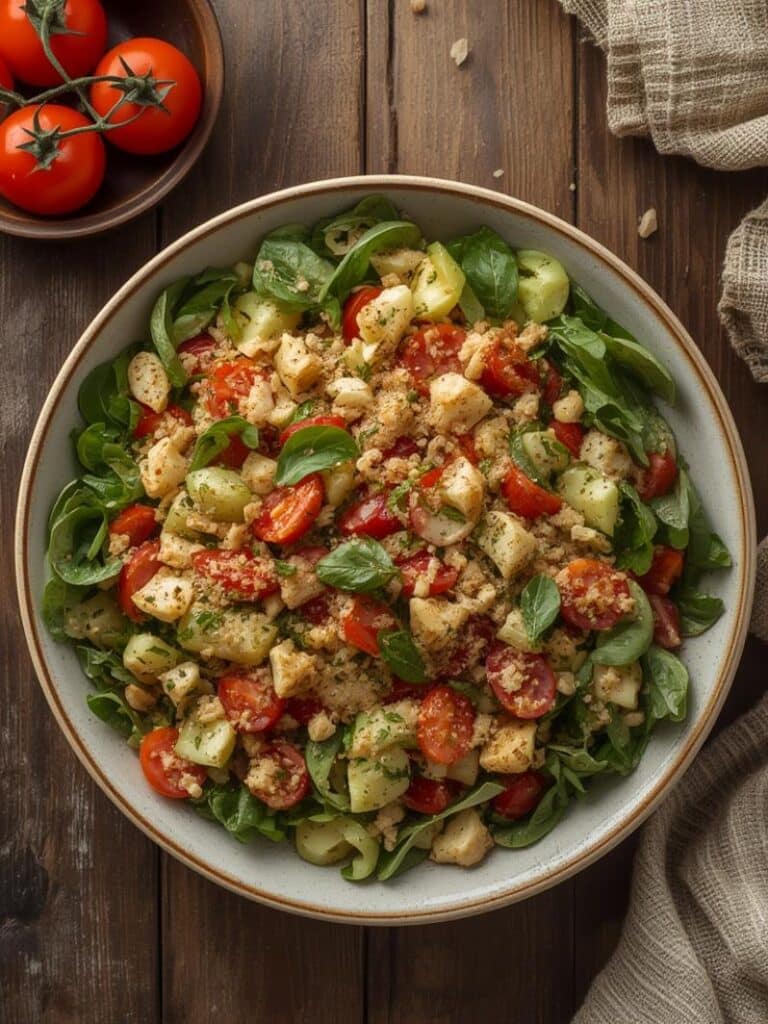
As a home cook born and raised in the mountains of Asheville, I’ve always found something magical about a well-crafted mediterranean salad recipe. My journey with Mediterranean cuisine began during a sweltering North Carolina summer when traditional heavy dishes just wouldn’t do. The bright flavors and fresh ingredients of this mediterranean diet salad not only transformed my family’s mealtime but became a staple in our home. Today, I’m excited to share my perfected recipe that brings a touch of Mediterranean sunshine to any table, no matter your cooking experience.
IN THIS ARTICLE
Key Takeaways: What You Need To Know
– This Mediterranean salad combines cucumber, tomato, olives, feta, and herbs with a simple lemon-olive oil dressing
– Prep time is just 15 minutes with no cooking required—perfect for busy weeknights
– The salad stores well for up to 3 days when kept separate from dressing
– Customizable with add-ins like grilled chicken, chickpeas, or quinoa for a heartier meal
– Packed with nutrients that support heart health and longevity, according to research
– Perfect for meal prep, picnics, or as a side dish for grilled proteins
What Makes a Mediterranean Salad Recipe Special?
A Mediterranean salad recipe typically features fresh vegetables, olives, feta cheese, and herbs dressed with olive oil and lemon juice, embodying the healthy eating principles of coastal Mediterranean countries while delivering bright, balanced flavors.
The magic of a mediterranean salad recipe lies not just in its vibrant colors and textures, but in its representation of one of the world’s healthiest eating patterns. Growing up in Asheville’s farm-to-table culture, I quickly learned that simplicity often yields the most delicious results. Mediterranean cuisine follows this principle beautifully.
How Does the Mediterranean Diet Influence This Salad?
The mediterranean diet salad isn’t just a recipe, it’s a philosophy of eating. This approach emphasizes plant-based ingredients, healthy fats, and fresh, minimally processed foods. According to the [Mayo Clinic], this eating pattern is associated with reduced risk of heart disease, certain cancers, diabetes, and cognitive decline.
In my kitchen, I’ve embraced these principles wholeheartedly. Every ingredient in this mediterranean salad recipe serves a purpose—nutritionally and flavor-wise. The olive oil provides heart-healthy monounsaturated fats, while the abundance of vegetables delivers fiber, vitamins, and minerals. Furthermore, the herbs contribute antioxidants and the feta offers calcium and protein.
Why Are Fresh Ingredients Essential?
Quality ingredients make all the difference in a mediterranean salad recipe. I’ve learned this lesson repeatedly through my cooking journey, especially when I attempted this recipe with out-of-season tomatoes during winter. The result? A pale comparison to the vibrant summer version.
When selecting ingredients for your Mediterranean salad, consider these factors:
1. Seasonality: Choose vegetables at their peak for maximum flavor
2. Ripeness: Fully ripened tomatoes and cucumbers provide better taste and texture
3. Quality: Genuine Greek or Bulgarian feta in brine offers authentic flavor
4. Freshness: Recently harvested herbs deliver more aromatic compounds
My neighbor Sarah, who initially claimed to dislike Mediterranean food, recently confessed, “Your fresh ingredient approach completely changed my mind about Mediterranean cuisine. Now I make your salad weekly!”
Essential Ingredients for an Authentic Mediterranean Salad
The essential ingredients for an authentic Mediterranean salad include ripe tomatoes, crisp cucumber, Kalamata olives, red onion, quality feta cheese, fresh herbs (particularly oregano, mint, and parsley), and a simple dressing of extra virgin olive oil, lemon juice, and garlic.
Creating an authentic mediterranean salad recipe begins with selecting the right ingredients. After years of experimentation, I’ve identified the core components that consistently produce exceptional results. Let me walk you through the essentials you’ll need.
What Vegetables Form the Foundation?
The foundation of any great Mediterranean salad starts with vegetables that provide contrasting textures and complementary flavors:
| Ingredient | Selection Tips | Preparation Method |
|————|—————|——————-|
| Tomatoes | Choose firm, aromatic, deeply colored | Cut into wedges or chunks |
| Cucumbers | Select firm with minimal seeds | Slice into half-moons or dice |
| Red Onion | Look for firm, heavy onions | Slice thinly or dice finely |
| Bell Peppers | Opt for bright, glossy skin | Dice into small pieces |
During summer months, I often venture to Asheville’s farmers markets for the freshest local produce. The difference in flavor between a locally grown, sun-ripened tomato and a store-bought variety is remarkable. As my grandmother always said, “The best ingredient is the one that traveled the least distance to your table.”
What Are the Signature Mediterranean Flavor Enhancers?
Beyond the vegetable base, authentic mediterranean salad recipes incorporate distinct flavor enhancers that transport your taste buds to the Mediterranean coast:
1. Kalamata Olives: These deep purple-black olives provide rich, fruity notes with a hint of wine-like flavor
2. Feta Cheese: Traditional sheep’s milk feta crumbled into the salad adds a creamy, tangy dimension
3. Fresh Herbs: A generous handful of oregano, mint, and parsley brings aromatic complexity
4. Extra Virgin Olive Oil: The backbone of Mediterranean cuisine, providing fruity notes and silky mouthfeel
5. Lemon Juice: Bright acidity that balances the richness of the olive oil and feta
I once substituted regular black olives when Kalamata weren’t available, and my husband immediately noticed the difference. “It’s good,” he said, “but it’s missing that special Mediterranean something.” He was absolutely right—these signature ingredients aren’t just additions but essential components that create an authentic experience.
For an interesting variation, I sometimes incorporate ingredients from my Mediterranean bean salad, which adds protein and creates a more substantial meal.
Step-by-Step Mediterranean Salad Recipe
To make a Mediterranean salad, combine chopped cucumber, tomatoes, red onion, bell pepper, Kalamata olives, and feta cheese in a large bowl; separately whisk olive oil, lemon juice, garlic, oregano, salt and pepper; then toss together just before serving for maximum freshness.

Now let’s walk through my tried-and-true mediterranean salad recipe that consistently earns compliments at every gathering. I’ve refined this process over countless preparations to ensure it’s approachable even for kitchen beginners.
How Do You Prepare the Vegetables Properly?
Proper vegetable preparation significantly impacts the final texture and flavor distribution in your mediterranean salad recipe. Follow these techniques for best results:
1. Tomatoes: Quarter medium tomatoes, then slice each quarter in half. Remove excess seeds if desired for a less watery salad.
2. Cucumber: For English cucumbers, no peeling is necessary. For regular cucumbers, I recommend partially peeling in stripes and removing seeds. Cut into quarter-inch half-moons.
3. Red Onion: Slice very thinly, then soak in ice water for 5-10 minutes to reduce sharpness before draining and adding to the salad.
4. Bell Pepper: Remove the core and seeds, then dice into small, bite-sized pieces.
5. Herbs: Stack leaves, roll tightly, then slice into thin ribbons (chiffonade) for even distribution of flavor.
I learned the red onion soaking trick after serving a particularly pungent salad at a family gathering. My cousin’s constructive feedback led me to experiment, and this simple step transformed the overall balance of the dish.
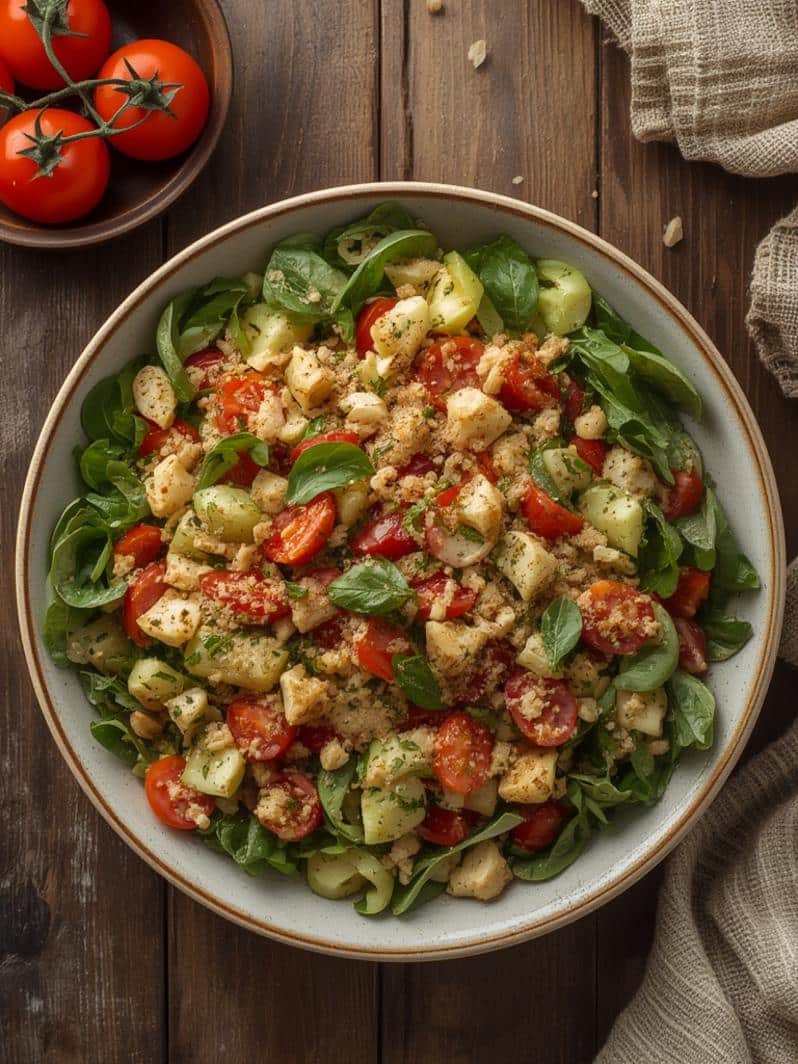
Mediterranean Salad Recipe
Equipment
- Cutting board
- Knife
- Mixing bowl
- small bowl
- whisk
Ingredients
- 2 cups tomatoes, chopped
- 1 cup cucumber, sliced
- 1/4 cup red onion, thinly sliced
- 1/2 cup Kalamata olives
- 1/2 cup feta cheese, crumbled
- 1/4 cup bell pepper, diced
- 2 tbsp fresh parsley, chopped
- 2 tbsp fresh mint or oregano, chopped
- 1/4 cup extra virgin olive oil
- 2 tbsp lemon juice
- 1 clove garlic, minced
- 1 tsp dried oregano
- 1/2 tsp salt
- 1/4 tsp black pepper
Instructions
- Chop tomatoes, slice cucumber, thinly slice red onion, and dice bell pepper. Prepare all vegetables evenly.
- Soak sliced red onion in cold water for 5–10 minutes, then drain to reduce sharpness.
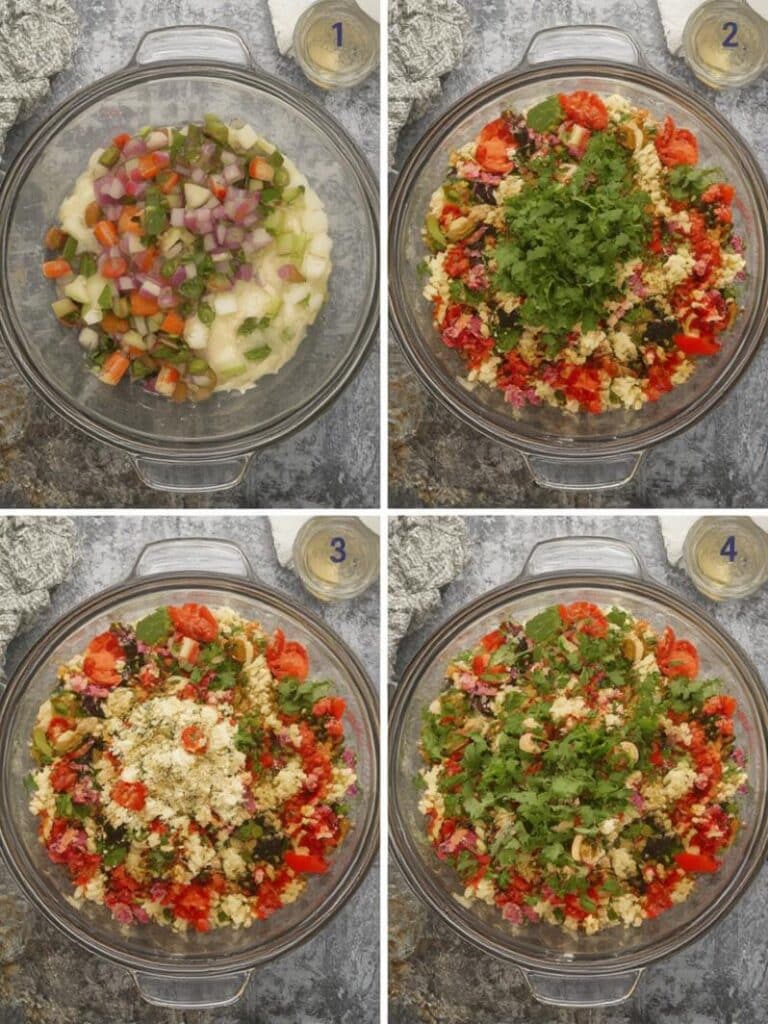
- In a large bowl, combine tomatoes, cucumber, onion, bell pepper, olives, and fresh herbs.
- In a small bowl, whisk olive oil, lemon juice, garlic, oregano, salt, and pepper until well combined.
- Pour dressing over the salad and toss gently to coat evenly.
- Sprinkle crumbled feta cheese on top and serve immediately.
Notes
Nutrition
What’s the Secret to the Perfect Mediterranean Dressing?
The dressing ties everything together in a mediterranean salad recipe. After much experimentation, I’ve discovered this perfect ratio:
| Ingredient | Measurement | Selection Tip |
|————|————-|————–|
| Extra Virgin Olive Oil | 1/4 cup | Use high-quality, cold-pressed |
| Fresh Lemon Juice | 2 tablespoons | Always use fresh, never bottled |
| Minced Garlic | 1 clove | Fresh rather than pre-minced |
| Dried Oregano | 1 teaspoon | Greek oregano if available |
| Dijon Mustard | 1/2 teaspoon | Optional emulsifier |
| Honey | 1/2 teaspoon | Optional sweetener |
| Salt | 1/2 teaspoon | Sea salt or kosher salt preferred |
| Black Pepper | 1/4 teaspoon | Freshly ground |
For the perfect emulsion, whisk the lemon juice, garlic, herbs, and seasonings first, then slowly drizzle in the olive oil while continually whisking. This method creates a temporary emulsion that coats the ingredients more evenly.
My daughter once asked why I don’t just shake everything together in a jar. While that works in a pinch, I’ve found the whisking method creates a more velvety texture that better clings to the vegetables.
For a different flavor profile that still maintains Mediterranean roots, check out my Mediterranean rice recipe that uses a similar dressing approach.
Customizing Your Mediterranean Salad
Direct Answer: Customize your Mediterranean salad by adding proteins like grilled chicken, shrimp, or chickpeas; incorporating grains such as quinoa or orzo; varying the cheese with halloumi or mozzarella; or introducing seasonal vegetables like artichokes, avocado, or roasted red peppers.
The beauty of a mediterranean salad recipe lies in its adaptability. Think of the traditional version as a canvas that welcomes your personal touches and available ingredients. Through numerous iterations in my Asheville kitchen, I’ve discovered countless delicious variations.
How Can You Add Protein to Make It a Complete Meal?
Transform your Mediterranean salad from side dish to satisfying main course by incorporating these protein options:
1. Plant-Based Proteins:
– Chickpeas: Drain, rinse, and add directly, or try roasting with Mediterranean spices first
– Lentils: Particularly the French green variety that holds its shape well
– White beans: Cannellini beans add creamy texture and mild flavor
2. Animal Proteins:
– Grilled chicken: Marinate in lemon, garlic, and oregano before grilling
– Seared shrimp: Quick-cooking and pairs perfectly with the bright flavors
– Sliced steak: Try incorporating elements from my Mediterranean steak bowl
– Flaked salmon: Leftover salmon from my Mediterranean salmon recipe works wonderfully
Last summer, I hosted a neighborhood potluck and prepared this salad three ways—traditional vegetarian, with chickpeas, and with grilled chicken. The chickpea version surprisingly disappeared first! One neighbor commented, “I never thought chickpeas could taste this good—they really take on all those Mediterranean flavors.”
What Seasonal Adaptations Work Well?
Adapting your mediterranean salad recipe to the seasons ensures you’re always working with peak-flavor ingredients while keeping your meals varied throughout the year:
Spring Adaptations:
– Add tender young arugula or spinach
– Incorporate spring peas or asparagus tips
– Feature young radishes for peppery crunch
Summer Adaptations:
– Maximize ripe tomatoes and cucumbers
– Add grilled zucchini or eggplant
– Include fresh corn kernels
Fall Adaptations:
– Add roasted sweet potatoes or butternut squash
– Incorporate pomegranate seeds for jewel-like brightness
– Try feta-stuffed figs when in season
Winter Adaptations:
– Rely more on sturdy vegetables like cabbage and carrots
– Add roasted cauliflower or broccoli
– Incorporate citrus segments for brightness
I first created my winter adaptation during a particularly cold Asheville January when fresh produce was limited. My skeptical family was surprised by how satisfying the heartier roasted vegetable version was. My husband remarked, “I didn’t think Mediterranean salad was a winter thing, but this actually feels perfect for the season.”
For a grain-based variation, my Mediterranean quinoa salad adapts beautifully to seasonal ingredients while maintaining the core Mediterranean flavor profile.
Health Benefits of Mediterranean Salad Ingredients
Direct Answer: Mediterranean salad ingredients offer numerous health benefits including heart disease protection from olive oil’s monounsaturated fats, reduced inflammation from antioxidant-rich vegetables, improved digestion from fiber-rich components, and potential longevity benefits from the overall nutrient profile that aligns with the scientifically-validated Mediterranean diet.
One of the most compelling aspects of a mediterranean salad recipe is its exceptional nutritional profile. The mediterranean diet salad embodies an eating pattern consistently ranked among the healthiest by nutrition experts worldwide.
Why Is This Salad Considered Heart-Healthy?
The cardiovascular benefits of a mediterranean salad recipe are supported by extensive research. According to the American Heart Association, the Mediterranean diet is associated with improved heart health markers.
Key heart-healthy components include:
1. Extra Virgin Olive Oil: Rich in monounsaturated fats and polyphenols that help reduce inflammation and improve cholesterol levels
2. Vegetables: Provide potassium, which helps manage blood pressure, and fiber, which supports healthy cholesterol levels
3. Herbs and Spices: Contain compounds with anti-inflammatory and antioxidant properties that protect blood vessels
4. Limited Sodium: The emphasis on fresh herbs and spices means less reliance on salt for flavor
My aunt, who struggled with high blood pressure for years, began incorporating this salad into her weekly routine after her doctor recommended the Mediterranean diet. Within months, she reported improved blood pressure readings and more energy. “I never thought something so delicious could actually be good for my heart,” she told me.
How Does This Salad Support Overall Wellness?
Beyond heart health, the mediterranean salad recipe offers comprehensive wellness benefits:
| Ingredient | Key Nutrients | Health Benefit |
|————|————–|—————-|
| Tomatoes | Lycopene, Vitamin C | Antioxidant protection, immune support |
| Cucumbers | Water, Vitamin K | Hydration, bone health |
| Bell Peppers | Vitamin C, Carotenoids | Immune function, eye health |
| Olives | Oleic acid, Vitamin E | Anti-inflammatory effects, cellular protection |
| Feta Cheese | Calcium, Protein | Bone health, muscle maintenance |
| Olive Oil | Monounsaturated fats, Vitamin E | Brain health, antioxidant protection |
| Fresh Herbs | Polyphenols, Essential oils | Digestive support, anti-inflammatory effects |
The combined effect of these ingredients creates what nutrition researchers call a “food synergy”—the components work together for greater health impact than any single ingredient alone.
When I started regularly making this salad after my second child was born, I noticed improved energy levels and digestion. A friend who tried my recipe for two weeks reported similar benefits, noting, “I actually feel different when I eat this way—lighter and more energetic.”
For a complete Mediterranean-inspired day, pair this salad with my Mediterranean diet breakfast and some Mediterranean diet snacks.
Serving and Storage Tips for Mediterranean Salad
For optimal freshness, serve Mediterranean salad immediately after dressing, or store components separately in airtight containers in the refrigerator for up to 3 days, combining just before serving; pre-dressed salad will become soggy within hours as the vegetables release moisture.
Years of preparing mediterranean salad recipes for family gatherings, meal prep, and impromptu dinners have taught me valuable lessons about serving and storage. These practical tips will help you enjoy your salad at its best.
What’s the Best Way to Serve Mediterranean Salad?
Presentation and serving technique significantly impact the enjoyment of your mediterranean salad recipe:
1. Temperature Matters: Serve the salad slightly chilled but not ice-cold, as extreme cold mutes flavors. Remove from refrigeration about 15 minutes before serving.
2. Dressing Timing: Dress the salad no more than 15-20 minutes before serving. This provides enough time for flavors to mingle without vegetables becoming soggy.
3. Serving Vessels: Wide, shallow bowls showcase the colorful ingredients better than deep bowls. For a stunning presentation, consider serving on a large platter with low sides.
4. Garnishing: Just before serving, add a final sprinkle of fresh herbs, a drizzle of your best olive oil, and a touch of flaky sea salt to elevate both appearance and flavor.
5. Serving Utensils: Provide large spoons or tongs that can capture a representative portion of all ingredients.
For casual gatherings, I often arrange the salad components in sections on a large wooden board, drizzle with dressing, and let guests serve themselves. This interactive presentation always gets compliments. As my friend Julie remarked at a recent dinner party, “Seeing all the colorful ingredients arranged so beautifully actually made me want to eat more vegetables!”
How Can You Meal Prep This Salad Effectively?
Mediterranean salad recipes make excellent candidates for meal preparation with the right approach:
1. Component Preparation:
– Wash, dry, and chop all vegetables
– Store in separate airtight containers or divided containers
– Keep high-moisture ingredients (tomatoes, cucumbers) separate from others
– Prepare dressing and store in a jar or small container
2. Assembly Strategy:
– For lunches, layer components in wide-mouth mason jars with dressing at the bottom, followed by hearty vegetables, then delicate items
– Keep feta cheese, herbs, and any nuts or seeds in separate containers until serving
3. Clever Shortcuts:
– Pre-chop sturdy vegetables like bell peppers and red onions
– Leave tomatoes whole until ready to eat
– Make extra dressing to use throughout the week
I regularly prepare this mediterranean salad recipe as part of my Sunday meal prep routine, assembling individual portions for workday lunches. Using the jar method, I’ve successfully kept salads fresh for up to four days. The key discovery was keeping the dressing separate and adding it just before eating.
For a complete meal prep system, consider preparing my Mediterranean bowl recipe alongside this salad to alternate throughout the week.
Frequently Asked Questions About Mediterranean Salad
Common questions about Mediterranean salad include best ingredient substitutions, make-ahead possibilities (components can be prepped 1-2 days ahead and assembled before serving), whether it’s suitable for special diets (naturally vegetarian, gluten-free, and adaptable to vegan), and how to fix common issues like overly watery salad or too-pungent onions.
Throughout my years of sharing this mediterranean salad recipe, I’ve fielded countless questions from readers and friends alike. Here are the most common inquiries along with my tested answers.
What Are Good Substitutions for Traditional Ingredients?
Ingredient flexibility is one of the strengths of a mediterranean salad recipe. Here are my recommended substitutions:
| Original Ingredient | Suitable Substitutions | Notes |
|——————–|————————|——-|
| Kalamata Olives | Black olives, green olives, or capers | Each provides different flavor profiles but maintains the briny element |
| Feta Cheese | Goat cheese, ricotta salata, or dairy-free feta | Seek something crumbly with tanginess |
| Red Onion | Shallots, green onions, or sweet onions | Adjust quantities based on intensity |
| Fresh Herbs | Dried herbs (use 1/3 the amount) | Fresh is preferred, but dried works in a pinch |
| Bell Peppers | Roasted peppers, mild chilies, or jicama | Seek something with crunch and color |
| Lemon Juice | Red wine vinegar or white wine vinegar | Maintains necessary acidity |
| Extra Virgin Olive Oil | Avocado oil | Second-best option if olive oil unavailable |
One reader from Montana emailed me saying, “I couldn’t find Kalamata olives in my small town grocery store, so I used capers instead—it was different but delicious! Thanks for suggesting alternatives.”
Can Mediterranean Salad Accommodate Special Dietary Needs?
The mediterranean salad recipe is naturally friendly to many dietary requirements and can be easily modified for others:
Gluten-Free: The traditional recipe is naturally gluten-free. Just ensure any added ingredients (like croutons) don’t contain gluten.
Vegan/Dairy-Free: Omit the feta cheese or replace with plant-based alternatives like:
– Tofu-based feta
– Cashew cheese
– Marinated white beans
– Avocado chunks
Low-Carb/Keto: The basic recipe is already low in carbohydrates. Focus on higher fat additions like extra olives, more olive oil, and additional feta.
Low-FODMAP: Omit the onions and garlic, use garlic-infused oil instead, and limit the amount of bell peppers.
A colleague following a strict vegan diet tried my mediterranean salad recipe with marinated tofu instead of feta and reported, “I’ve been missing Mediterranean flavors since going vegan—this adaptation completely satisfied my craving!”
For more Mediterranean diet-friendly recipes that accommodate special diets, check out my Mediterranean ground beef stir fry or Mediterranean meatballs recipe that can be adapted with plant-based alternatives.
After implementing this recipe in my own weekly rotation, I can confidently say it has transformed not only how my family eats but how we think about quick, nutritious meals. What began as an experiment has become a cornerstone of our eating habits—proof that delicious, wholesome food doesn’t require culinary school training, just quality ingredients and a little care. I hope this mediterranean salad recipe brings the same joy to your kitchen as it has to mine in the mountains of Asheville.