Disclaimer: This content is for educational purposes only, not medical advice. Always consult with a doctor before making significant changes to your diet, especially if you have pre-existing health conditions.
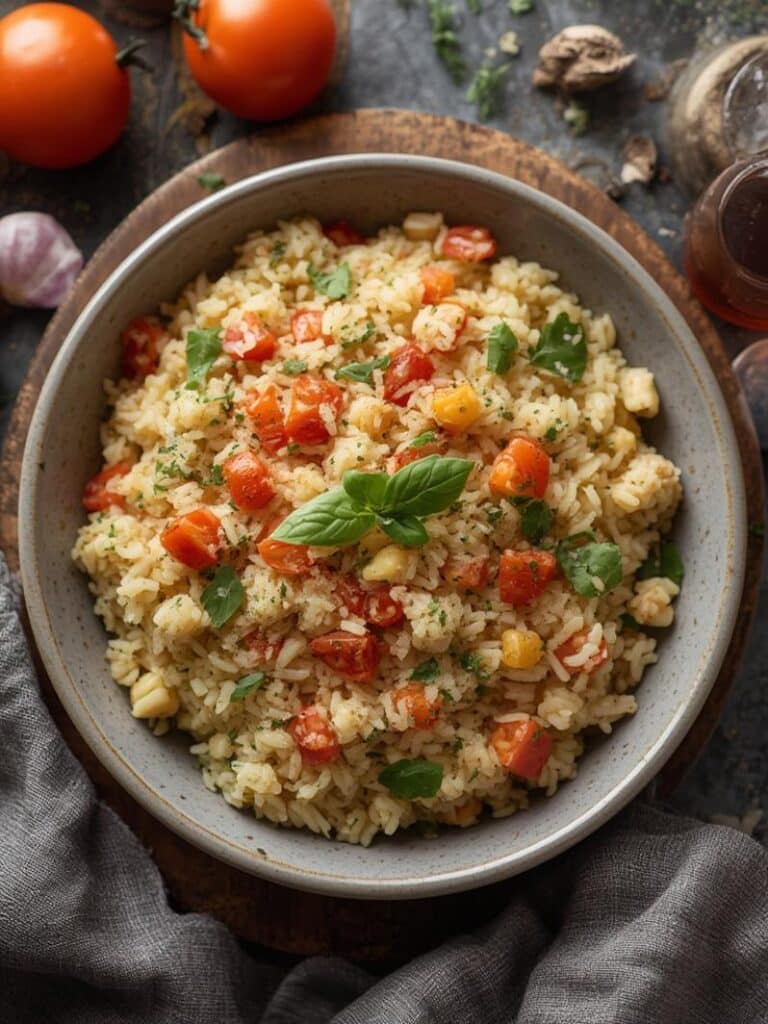
The Mediterranean rice recipe I’m sharing today brings together fragrant basmati rice, colorful vegetables, and bold herbs that transport you straight to the coastal regions of Greece and Italy. Growing up in Asheville, I learned to appreciate how simple ingredients can create extraordinary flavors. This mediterranean rice recipe combines the best of both worlds – simplicity and explosive taste. My family always gathered around this dish during weekend dinners, and now I’m thrilled to share it with you.
IN THIS ARTICLE
Key Takeaways: What You Need To Know
– This Mediterranean rice dish takes just 35 minutes from start to finish
– The recipe uses simple pantry staples with fresh vegetables and herbs
– Perfect as a standalone meal or versatile side dish
– Follows principles of the mediterranean diet rice traditions
– Easily customizable with protein additions like chickpeas or grilled chicken
– Stores beautifully for meal prep (up to 4 days in the refrigerator)
What Makes Mediterranean Rice So Special?
Mediterranean rice combines aromatic grains with vibrant vegetables, herbs, and olive oil to create a dish that’s both nutritious and bursting with flavor. The traditional preparation highlights fresh ingredients and simple cooking techniques that preserve natural tastes while creating a satisfying meal that’s central to Mediterranean cuisine.
My first adventure with Mediterranean cooking began right after college when money was tight but my desire for good food wasn’t. I discovered that rice – affordable and versatile – could be transformed into something spectacular with just a handful of quality ingredients. The Mediterranean approach to cooking rice taught me that simplicity often yields the most satisfying results.
How Does Mediterranean Rice Differ From Other Rice Dishes?
Mediterranean rice stands apart from other global rice preparations through its distinctive use of olive oil, fresh herbs like parsley and dill, and bright citrus flavors. Unlike heavily spiced rice dishes from other cuisines, Mediterranean rice celebrates clean, pronounced flavors that complement rather than overwhelm the natural taste of the grain.
What makes this style unique is its balance. When I developed this recipe, I wanted to honor the traditional Mediterranean approach while making it accessible for home cooks. The key lies in cooking the rice properly – fluffy and separate – then adding layers of flavor through fresh vegetables, herbs, and a simple but impactful dressing.
The Mediterranean diet emphasizes whole foods, and this rice dish perfectly exemplifies those principles. Each ingredient serves a purpose, creating a nutritional powerhouse that’s still incredibly delicious.
What Are The Health Benefits Of Mediterranean Rice?
Mediterranean rice delivers impressive health benefits thanks to its balanced nutritional profile and wholesome ingredients. The combination of complex carbohydrates from rice, heart-healthy fats from olive oil, and antioxidants from vegetables and herbs creates a meal that nourishes while satisfying.
According to the Mayo Clinic, the Mediterranean eating pattern is associated with reduced risk of heart disease, certain cancers, and cognitive decline. This rice recipe incorporates many pillars of that approach – moderate portions of grains, abundant vegetables, and quality olive oil.
I’ve personally found that including this mediterranean rice recipe in my weekly meal rotation has helped maintain steady energy levels and satisfaction. The fiber from vegetables and complex carbs from rice provides sustained energy, while the healthy fats help absorption of fat-soluble vitamins.
Essential Ingredients For Authentic Mediterranean Rice
Authentic Mediterranean rice requires seven key ingredients: high-quality long-grain rice, extra virgin olive oil, fresh vegetables (tomatoes, cucumbers, bell peppers), aromatic herbs (particularly parsley and mint), lemon juice, garlic, and olives or capers for briny depth. These components create the foundation for a dish that captures the essence of Mediterranean coastal cuisine.
When I first started experimenting with Mediterranean cooking in my small Asheville kitchen, I learned that ingredient quality matters tremendously. This isn’t a complicated dish with a long ingredient list – which means each component needs to shine.
What Type Of Rice Works Best For Mediterranean Dishes?
Long-grain rice varieties like basmati or jasmine work exceptionally well for Mediterranean rice dishes because they cook up fluffy with distinct grains that maintain their structure. While traditional Mediterranean cuisine often uses varieties like Calasparra (Spanish) or Carnaroli (Italian), these accessible alternatives deliver excellent results.
I’ve tested this recipe with multiple rice types, and basmati consistently produces the best texture. It absorbs flavors beautifully without becoming mushy, which is crucial when you’re adding juicy vegetables and dressing. For a more authentic approach, you might try arborio rice, though it creates a slightly stickier finished dish.
The cooking technique matters just as much as the variety. Rinsing the rice removes excess starch and yields fluffier results – something I learned after many disappointing batches early in my cooking journey. If you’re looking for a nutritional boost, brown basmati makes an excellent substitute in this Mediterranean bowl, though you’ll need to adjust cooking times accordingly.
Which Fresh Herbs And Spices Define Mediterranean Flavor?
Mediterranean cuisine relies on fresh herbs rather than dried spices to create its signature bright flavors. Parsley, dill, mint, and oregano are foundational, with regional variations incorporating different proportions. These herbs provide not just flavor but vibrant color and nutritional benefits.
My personal blend for this rice recipe includes abundant flat-leaf parsley (more flavorful than curly), fresh mint for brightness, and a touch of dill for complexity. The herb mixture transforms simple rice into something memorable, especially when combined with good olive oil and lemon juice.
For spices, Mediterranean cooking uses a restrained hand. A touch of dried oregano, a hint of ground cumin, and freshly cracked black pepper are usually sufficient. This approach allows the natural flavors of ingredients to remain center stage – a philosophy I’ve embraced throughout my cooking journey. When I’m feeling adventurous, I’ll add a pinch of Aleppo pepper for a mild, fruity heat that complements the Mediterranean bean flavors.
Step-By-Step Mediterranean Rice Recipe
To prepare Mediterranean rice, start by rinsing 2 cups of long-grain rice until water runs clear. Cook rice according to package directions, substituting chicken broth for water if desired. While rice cools, prepare 1 cup each of diced tomatoes, cucumbers, and bell peppers, plus ¼ cup each of chopped herbs and olives. Mix cooled rice with vegetables, herbs, 3 tablespoons olive oil, and 2 tablespoons lemon juice. Season with salt and pepper to taste.
The first time I made this dish, I rushed the process and ended up with gummy rice and soggy vegetables. Through many iterations, I’ve perfected the technique to ensure perfect results every time. The key is properly cooking the rice and allowing it to cool slightly before adding the fresh ingredients.
How To Cook Perfect Fluffy Rice Every Time?
Achieving perfectly cooked rice begins with proper rinsing to remove excess starch. Place your rice in a fine-mesh strainer and rinse under cold water until the water runs clear. This simple step prevents gummy, clumped grains and creates the ideal foundation for Mediterranean rice.
Next, use the proper water-to-rice ratio – generally 1.5 cups of water to 1 cup of long-grain rice. For enhanced flavor, substitute broth for water. Bring liquid to a boil, add rice with ½ teaspoon salt, reduce to low heat, cover, and simmer undisturbed for 15-18 minutes until water is absorbed.
The final secret to fluffy rice lies in the resting period. After cooking, remove from heat but keep covered for 10 minutes, allowing steam to finish the cooking process gently. Then fluff with a fork rather than stirring, which can break grains and release starch. This technique consistently produces perfect rice for this mediterranean rice recipe.
| Rice Type | Water Ratio | Cooking Time |
|---|---|---|
| Basmati | 1:1.5 | 15-18 minutes |
| Jasmine | 1:1.25 | 15 minutes |
| Brown Basmati | 1:2 | 35-40 minutes |
What’s The Best Way To Combine Ingredients?
For perfect Mediterranean rice, temperature and timing are crucial when combining ingredients. Allow cooked rice to cool to room temperature (about 15-20 minutes) before adding fresh vegetables and herbs. This prevents wilting while ensuring the rice doesn’t continue cooking from residual heat.
Layer flavors by first tossing the rice with olive oil, allowing the grains to become coated and preventing clumping. Then add vegetables, followed by herbs, and finally dress with lemon juice and seasoning. This sequence allows each component to maintain its integrity while melding harmoniously.
I prefer using a large wooden bowl and gentle folding motions rather than aggressive stirring. This preserves the texture of both rice and vegetables. For the best flavor development, let the completed dish rest for 15 minutes before serving, allowing the aromatics to permeate throughout.
When adding delicate ingredients like feta cheese or avocado, fold them in last to prevent breaking. These techniques transform simple ingredients into an elevated dish that beautifully represents Mediterranean diet principles while remaining approachable for everyday cooking.
Mediterranean Rice Variations And Adaptations
Mediterranean rice can be adapted in numerous ways while maintaining its essential character. Popular variations include adding protein like chickpeas or grilled chicken, incorporating seasonal vegetables, using different grain bases like farro or quinoa, adjusting herbs based on availability, and creating themed versions such as Greek-style with feta or Spanish-inspired with saffron. Each adaptation preserves the fundamental Mediterranean principles of fresh ingredients and simple preparation.
My journey with this recipe has evolved over years of experimentation. What started as a basic side dish has transformed into countless meals, each with its own personality. The beauty of Mediterranean cooking lies in its flexibility – you can honor traditional techniques while adapting to what’s available or appealing to you.
How Can I Add Protein To Mediterranean Rice?
Transform Mediterranean rice into a complete meal by incorporating protein sources that complement its flavor profile. Plant-based options include chickpeas (my personal favorite for their nuttiness and texture), white beans, or lentils – all staples of traditional Mediterranean cuisine that add both protein and fiber.
For non-vegetarian additions, consider grilled chicken seasoned simply with lemon and oregano, which pairs beautifully with the herb-forward profile of the rice. Seafood options like sautéed shrimp or flaked salmon introduce omega-3 fatty acids while maintaining the dish’s coastal character. I often add leftover Mediterranean salmon to transform this side into a complete lunch.
When adding protein, consider timing and temperature. Cold proteins work best when mixed directly into room-temperature rice, while hot proteins like freshly grilled chicken should be served alongside or on top of the rice to prevent wilting the fresh herbs. Aim for about ½-¾ cup of protein per serving to create a balanced meal that remains true to Mediterranean diet proportions.
What Regional Variations Exist Within Mediterranean Rice Dishes?
Mediterranean rice dishes vary significantly across the region, reflecting local ingredients and cultural influences. Greek-style rice often incorporates lemon, dill, and feta cheese, while Spanish versions might feature saffron and pimento. Lebanese variations frequently include warm spices like cinnamon and allspice alongside pine nuts.
I’ve explored many regional interpretations through my cooking journey. My current favorite draws inspiration from southern Italian cuisine, with sun-dried tomatoes, capers, and plenty of fresh basil. This variation pairs beautifully with grilled fish for a complete meal that transports you straight to Sicily.
North African influences bring warm spices like cumin, coriander, and harissa to rice preparations, creating deeper, more complex flavor profiles. Experimenting with these regional variations allows you to travel through your kitchen while maintaining the healthy principles of mediterranean diet rice traditions.
For an easy introduction to regional variations, try adding these signature ingredients:
– Greek: feta, Kalamata olives, dill, lemon
– Spanish: saffron, peas, roasted red peppers
– Turkish: dried fruits, pine nuts, mint
– Moroccan: harissa, preserved lemon, chickpeas
Serving And Pairing Mediterranean Rice
Mediterranean rice shines as both a versatile side dish and the foundation for complete meals. Serve it at room temperature for optimal flavor, garnished with fresh herbs and a drizzle of high-quality olive oil. This dish pairs beautifully with grilled proteins, particularly fish and chicken, and complements Mediterranean mains like stuffed vegetables, kebabs, or slow-cooked stews.
The first time I served this rice at a family gathering, I was struck by how it complemented nearly everything else on the table. That versatility has made it a staple in my cooking repertoire. Whether I’m hosting a dinner party or preparing weekday lunches, this recipe adapts to countless situations.
What Dishes Complement Mediterranean Rice Best?
Mediterranean rice pairs exceptionally well with simply prepared proteins that don’t overwhelm its delicate herb flavors. Grilled fish with lemon and herbs creates a classic coastal Mediterranean meal, while roasted chicken with garlic and thyme offers a heartier option that still maintains flavor harmony.
For vegetarian pairings, consider Mediterranean chickpea salad for protein or stuffed vegetables like bell peppers or eggplant. The acidity of the rice balances richly stuffed vegetables perfectly. During summer months, I often serve this rice alongside grilled vegetable skewers for a complete plant-based meal.
Mediterranean meatballs, known as keftedes in Greece or köfte in Turkey, provide a flavorful protein component that complements the rice beautifully. Try my Mediterranean meatballs recipe for a combination that’s become a favorite among friends and family.
For entertaining, consider setting up a Mediterranean bowl bar with the rice as the base and offering various toppings like roasted vegetables, different proteins, sauces, and garnishes. This interactive approach has been a hit at casual gatherings, allowing guests to customize their meals while exploring Mediterranean flavors.
How Should Mediterranean Rice Be Presented And Served?
For maximum visual impact and flavor, serve Mediterranean rice at room temperature rather than hot or cold. This middle ground allows the herb oils and flavors to fully develop and permeate the dish. A wide, shallow serving bowl showcases the colorful ingredients better than a deep dish.
Garnishing elevates the presentation from homey to restaurant-quality. Just before serving, add a sprinkle of freshly chopped herbs, a light drizzle of your best extra virgin olive oil, and a few lemon wedges around the edge of the dish. These final touches not only enhance appearance but also add brightness to the flavors.
Consider textural elements for the final presentation. Toasted pine nuts, pomegranate seeds, or a crumble of feta cheese add visual interest and complementary crunch or creaminess. For individual servings, pack the rice lightly into a cup or mold before inverting onto plates for an elegant, structured presentation.
The traditional Mediterranean approach emphasizes communal dining, so don’t hesitate to place this dish center table for sharing. I’ve found that serving family-style not only honors the cultural roots of the recipe but creates a convivial atmosphere that enhances any gathering.
Storing And Repurposing Leftover Mediterranean Rice
Mediterranean rice stores exceptionally well for up to 4 days in an airtight container in the refrigerator. The flavors often improve after resting overnight as ingredients meld together. When storing, keep the rice slightly underdressed, adding fresh herbs, lemon juice, and olive oil upon serving. Leftover rice can be transformed into stuffed vegetables, fritters, soup additions, or the base for Mediterranean grain bowls.
One of the reasons I love this recipe for busy weeks is its make-ahead potential. The dish actually improves after a day in the refrigerator, making it perfect for meal prep. I’ve developed several strategies for storing and repurposing over years of weekly preparation.
How Long Will Mediterranean Rice Keep In The Refrigerator?
Mediterranean rice maintains its quality for up to 4 days when properly stored in an airtight container in the refrigerator. To maximize freshness, cool the rice completely before refrigerating, which prevents condensation that can make the rice soggy. Glass containers work particularly well as they don’t absorb flavors or oils.
For the best texture when storing, consider slightly underdressing the portion you plan to save. Reserve some fresh herbs, lemon juice, and olive oil to add just before serving the leftovers. This approach ensures vibrant flavor and prevents the herbs from darkening during storage.
If you’re meal prepping, consider layering the components rather than mixing everything together. Place the rice on the bottom, vegetables in the middle, and delicate ingredients like herbs on top. This strategy maintains better texture while still allowing flavors to meld. When ready to eat, simply toss everything together with a fork.
Temperature control is important when serving stored rice. Allow refrigerated rice to come to room temperature for about 20 minutes before eating for the best flavor experience. The cold temperature of refrigerated food dulls flavor perception, so this simple step enhances enjoyment of leftovers significantly.
What Creative Ways Can I Repurpose Leftover Rice?
Leftover Mediterranean rice transforms beautifully into numerous creative dishes. One of my favorite repurposing techniques is using it as stuffing for vegetables – hollowed bell peppers, tomatoes, or zucchini become vessels for the rice, which develops wonderful flavor when baked with a light topping of cheese.
For a quick lunch, turn leftover rice into Mediterranean rice cakes or fritters. Simply mix with a beaten egg and a small amount of flour, form into patties, and pan-fry until golden. The crispy exterior and flavorful interior make a satisfying meal when paired with a simple yogurt sauce.
Add leftover rice to soups and stews during the last few minutes of cooking for an instant upgrade. The rice absorbs the broth while contributing its herby flavors to the soup. This works particularly well with Mediterranean steak soup or vegetable-based broths.
For busy mornings, transform the rice into a breakfast option by gently warming it with a splash of milk or broth, then topping with a fried egg. The runny yolk creates a rich sauce that elevates the leftover rice into a satisfying breakfast that aligns with Mediterranean diet breakfast principles.
Frequently Asked Questions About Mediterranean Rice
Mediterranean rice is a versatile dish that combines long-grain rice with fresh vegetables, herbs, olive oil, and lemon juice, reflecting traditional cooking methods from Mediterranean coastal regions. It features prominently in Mediterranean diet patterns, can be customized with various proteins and vegetables, and works well as both a side dish and main course. The dish typically uses aromatic long-grain varieties like basmati or jasmine rice for best results.
Through years of sharing this recipe, I’ve fielded countless questions from readers and friends. These frequently asked questions address the most common concerns and curiosities about preparing perfect Mediterranean rice every time.
Is Mediterranean Rice Suitable For Special Diets?
Mediterranean rice naturally accommodates many dietary preferences and restrictions. The basic recipe is vegetarian and can easily become vegan by omitting any dairy garnishes like feta cheese. For gluten-free diets, traditional Mediterranean rice is already compliant, as rice is naturally gluten-free.
Those following low-sodium diets can adjust the recipe by using unsalted broth and reducing added salt, relying instead on herbs and lemon for flavor. For lower-carb adaptations, consider replacing half the rice with riced cauliflower, which maintains the dish’s texture while reducing carbohydrate content.
The Mediterranean diet itself is recognized by health authorities as one of the healthiest eating patterns globally. My recipe aligns perfectly with these principles, emphasizing plant foods, healthy fats, and moderate portions. By adding different proteins like those found in my Mediterranean quinoa salad, you can further customize the nutritional profile.
For those managing diabetes, this recipe offers advantages through its balanced composition of complex carbohydrates, fiber from vegetables, and healthy fats that help moderate blood sugar response. The moderate glycemic impact makes it suitable for many dietary management plans when portion size is considered.
Can Mediterranean Rice Be Made In A Rice Cooker Or Instant Pot?
Mediterranean rice adapts beautifully to modern cooking methods like rice cookers and pressure cookers, making weeknight preparation even simpler. For rice cooker preparation, simply add rinsed rice, appropriate liquid (water or broth), and a teaspoon of olive oil. Cook according to the machine’s white rice setting, then fluff and add the remaining fresh ingredients once the cooking cycle completes.
For Instant Pot preparation, use a 1:1 ratio of liquid to long-grain rice. Add 1 tablespoon olive oil, seal, and cook at high pressure for 4 minutes with a 10-minute natural release. This method produces perfectly cooked rice ready for mixing with Mediterranean ingredients.
The key with both methods is adding the fresh components (vegetables, herbs, additional olive oil, and lemon juice) after the rice has cooked and cooled slightly. This preserves the bright flavors and varied textures that make mediterranean rice recipe so special.
I’ve found these methods particularly helpful for meal prep days, when I might be preparing multiple dishes simultaneously. The hands-off cooking allows me to focus on preparing the fresh components while the rice cooks perfectly on its own.
Testimonials and Reviews
“I’ve tried many Mediterranean rice recipes, but Chloe’s version has become my go-to for family gatherings. The balance of herbs is perfect, and the technique for fluffy rice works every time. We’ve started adding chickpeas to make it a complete meal for our vegetarian daughter, and it’s always a hit!” – Martha S., Atlanta
“As someone who grew up in Greece, I’m particular about Mediterranean recipes. This one captures the authentic flavors I remember from my grandmother’s kitchen, but with clear instructions that make it approachable. The tip about letting the rice cool before adding fresh ingredients was a game-changer for texture.” – Nikos D., Chicago
“I’ve been making this recipe weekly for lunch prep since discovering it three months ago. My favorite variation includes adding roasted eggplant and a sprinkle of za’atar on top. It keeps beautifully all week, and I never get tired of the flavors. Thank you for bringing Mediterranean cooking into my regular rotation!” – Jamie T., Portland
These heartfelt comments reflect exactly why I created this recipe – to share the joy of Mediterranean cooking in an accessible way that invites personalization. Hearing how this dish has become part of others’ cooking repertoires brings me immense satisfaction and continues to inspire my work at WePostRecipes.
From my Asheville kitchen to yours, I hope this Mediterranean rice recipe brings as much joy to your table as it has to mine. Remember, cooking isn’t about perfection – it’s about creating moments of connection and enjoyment through food that nourishes both body and spirit.