Disclaimer: This content is for educational purposes only, not medical advice. Always consult with a doctor before making significant changes to your diet, especially if you have pre-existing health conditions.

Nestle toll house cookies have been my go-to comfort dessert since I was tall enough to reach our kitchen counter in Asheville. These iconic cookies combine simplicity with unmatched flavor, making them perfect for both novice and experienced bakers. Today, I’m sharing my personal take on this classic recipe, with tips I’ve gathered through years of testing and perfecting these delicious treats in my mountain home kitchen.
IN THIS ARTICLE
Key Takeaways: What You Need To Know
– Nestle toll house cookies require just 9 basic ingredients you likely already have at home
– The perfect cookies need just 10-12 minutes in the oven at 375°F
– Chilling the dough for at least 24 hours significantly improves flavor and texture
– Using room temperature butter and eggs creates the best cookie consistency
– These cookies freeze beautifully both as dough and after baking
The Story Behind Nestle Toll House Cookies
The classic Nestle toll house cookies recipe holds a special place in American baking history. These cookies aren’t just delicious treats; they carry generations of kitchen memories and family traditions.
The original Nestle toll house cookies came to life in the 1930s when Ruth Wakefield, owner of the Toll House Inn in Massachusetts, added chopped chocolate to her butter cookie recipe. According to Wikipedia, this happy accident created what would become America’s favorite cookie. The chocolate pieces didn’t melt completely, resulting in the first chocolate chip cookies we know and love today.
Why These Cookies Hold a Special Place in My Kitchen
My journey with Nestle toll house cookies began in my grandmother’s kitchen in Asheville. Every Sunday afternoon, we’d pull out her worn recipe card and mix a batch together. The smell of those cookies baking still instantly transports me back to those precious moments.
When I started WePostRecipes, these cookies were one of the first recipes I wanted to perfect and share. After dozens of batches (and happy taste testers), I’ve fine-tuned the classic recipe with small adjustments that make a big difference in texture and flavor.
How Have These Cookies Evolved Over Time?
While the basic Nestle toll house cookies recipe hasn’t changed dramatically since its creation, home bakers like me have found countless ways to adapt it. The recipe printed on Nestle chocolate chip packages since 1939 remains remarkably similar to Ruth Wakefield’s original.
Today, you’ll find countless variations—from brown butter versions to recipes incorporating different mix-ins. However, the fundamental combination of butter, sugar, eggs, vanilla, flour, baking soda, salt, and chocolate chips remains the backbone of this beloved classic.
Ingredients You’ll Need for Perfect Toll House Cookies
The magic of Nestle toll house cookies lies partly in their simplicity. These cookies require just a handful of basic ingredients that combine to create something truly special.
A successful batch of Nestle toll house cookies starts with quality ingredients. I’ve learned through many baking sessions that room temperature ingredients mix more evenly, creating a better texture in the finished cookie.
What Makes Quality Ingredients So Important?
For Nestle toll house cookies that truly shine, ingredient quality matters tremendously. I always recommend using real butter (never margarine) for the rich flavor foundation these cookies deserve. The butter’s fat content and natural flavor simply can’t be matched by substitutes.
Similarly, pure vanilla extract provides a much more complex flavor than imitation versions. While Nestle chocolate chips are the traditional choice (and my personal preference), any high-quality semi-sweet chocolate chips will work beautifully. When I’m feeling fancy, I sometimes chop a premium chocolate bar instead for varied chocolate chunk sizes throughout the cookies.
Can I Make Substitutions in the Recipe?
One of the reasons Nestle toll house cookies remain so popular is their adaptability. Yes, you can definitely make substitutions to accommodate dietary needs or preferences while keeping the essence of these classic cookies.
For gluten-free Nestle toll house cookies, a 1:1 gluten-free flour blend works surprisingly well. I’ve tested this extensively with friends who have celiac disease. If you’re looking to reduce sugar, you can cut the white sugar by about 25% without dramatically changing the texture.
| Traditional Ingredient | Possible Substitution |
|---|---|
| All-purpose flour | 1:1 gluten-free flour blend |
| Semi-sweet chocolate chips | Dark chocolate, milk chocolate, or chopped chocolate bars |
| Butter | Plant-based butter (texture will differ slightly) |
| Eggs | Flax eggs (1 tbsp ground flaxseed + 3 tbsp water per egg) |
Nestle Toll House Cookies
Equipment
- Mixing bowls
- electric mixer
- whisk
- baking sheets
- Parchment paper
- spatula
- wire cooling rack
Ingredients
- 2 1/4 cups all-purpose flour
- 1 tsp baking soda
- 1 tsp salt
- 1 cup unsalted butter, softened
- 3/4 cup granulated sugar
- 3/4 cup brown sugar, packed
- 2 large eggs
- 2 tsp vanilla extract
- 2 cups semi-sweet chocolate chips
Instructions
- Preheat oven to 375°F (190°C) and line baking sheets with parchment paper.
- In a bowl, whisk together flour, baking soda, and salt.
- Cream butter, granulated sugar, and brown sugar until light and fluffy.
- Add eggs one at a time, then mix in vanilla extract.
- Gradually add dry ingredients to wet mixture until just combined.
- Fold in chocolate chips.
- Drop dough by rounded tablespoons onto baking sheets, spacing 2 inches apart.
- Bake for 10–12 minutes until edges are golden and centers are soft.
- Cool on baking sheet for 5 minutes, then transfer to a wire rack.
Notes
Nutrition
Step-by-Step Instructions for Nestle Toll House Cookies
Making perfect Nestle toll house cookies requires attention to detail and proper technique. Following these steps ensures your cookies have that perfect balance of chewy centers and crispy edges.
For the best Nestle toll house cookies, start by properly measuring your ingredients and bringing eggs and butter to room temperature. This creates a properly emulsified dough that bakes evenly, giving you that classic texture these cookies are known for.
How Do You Mix the Cookie Dough Properly?
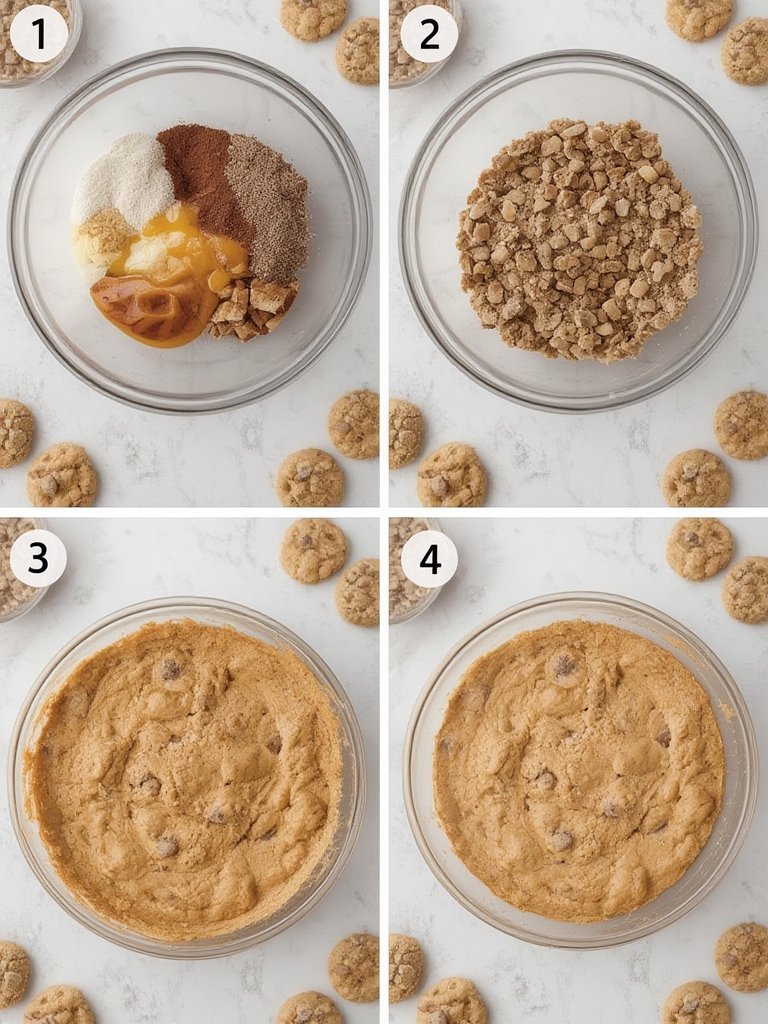
The mixing process for Nestle toll house cookies is crucial for achieving the perfect texture. Begin by creaming the butter and sugars together until light and fluffy—this typically takes about 3-4 minutes with an electric mixer. This step incorporates air into the dough, giving your cookies lift.
After adding eggs and vanilla, I always mix the dry ingredients separately before gradually incorporating them into the wet mixture. This prevents overmixing, which can develop too much gluten and lead to tough cookies. Finally, fold in the chocolate chips gently by hand. When I’m feeling creative, I’ll sometimes add 1/2 cup of toasted nuts for extra texture and flavor.
What’s the Secret to Perfect Baking Timing?
Timing is everything when baking Nestle toll house cookies. For standard-sized cookies (using a 1.5 tablespoon scoop), 10-12 minutes at 375°F is the sweet spot. The cookies should have golden brown edges but still look slightly underbaked in the center when you remove them.
One trick I’ve learned from years of baking these cookies: let them cool on the hot baking sheet for exactly 5 minutes before transferring to a cooling rack. This allows them to set up perfectly without overcooking. If you prefer crispier cookies, add 1-2 minutes to the baking time. For extra-chewy cookies, reduce the time by about a minute and make sure not to flatten the dough balls before baking.
Troubleshooting Common Cookie Problems
Even experienced bakers sometimes encounter challenges with Nestle toll house cookies. Understanding how to fix common issues will help you achieve perfect results every time.
The most frequent problems with Nestle toll house cookies are spreading too much or not spreading enough. These issues typically relate to butter temperature, flour measurement, or oven temperature variations that can easily be corrected.
Why Are My Cookies Spreading Too Much?
If your Nestle toll house cookies are spreading excessively during baking, several factors might be responsible. The most common culprit is butter that’s too warm or even partially melted before mixing. Your butter should be cool room temperature—soft enough to leave a slight indent when pressed, but still holding its shape.
Another potential cause is too little flour. I always recommend using the spoon-and-level method rather than scooping directly with the measuring cup, which can compact the flour. Finally, if your baking sheets are already hot from a previous batch, the dough starts melting before it begins setting up. Always use cool baking sheets or allow them to cool completely between batches.
How Can I Make My Cookies Chewier or Crispier?
Adjusting the texture of your Nestle toll house cookies is actually quite simple once you understand the key factors. For chewier cookies, replace some or all of the granulated sugar with brown sugar. The molasses in brown sugar adds moisture and creates that desirable chewy texture that many people love.
For crispier cookies, do the opposite—use more white sugar than the recipe calls for and slightly less brown sugar. Extending the baking time by 1-2 minutes will also create a crispier result. Another trick I’ve discovered is that melting the butter (rather than using it softened) and allowing it to cool before mixing produces cookies with wonderfully crisp edges and tender centers—truly the best of both worlds!
Storage Tips and Creative Variations
Nestle toll house cookies are versatile treats that can be enjoyed in multiple ways and stored for future enjoyment. Proper storage ensures they maintain their delicious flavor and texture.
Properly stored Nestle toll house cookies will stay fresh at room temperature in an airtight container for up to 5 days. For longer storage, freeze baked cookies for up to 3 months or refrigerate cookie dough for up to a week.
What Are Some Fun Variations to Try?
The classic Nestle toll house cookies recipe serves as a perfect base for endless creative variations. One of my family’s favorites is adding 1/2 cup of crushed pretzels for a sweet-salty combination that’s absolutely addictive. During the holidays, I often add 1/4 teaspoon of cinnamon and a pinch of nutmeg for a subtle seasonal twist.
For a more substantial cookie, try mixing in 1/2 cup each of oats and chopped nuts. White chocolate chips and dried cranberries create a beautiful flavor contrast, while peanut butter chips alongside the chocolate make for a crowd-pleasing treat reminiscent of a popular candy cup.
“I’ve tried dozens of chocolate chip cookie recipes, but after making Chloe’s version of Nestle toll house cookies, my search is over! The detailed instructions made all the difference—especially the tip about properly measuring the flour. My cookies turned out perfectly chewy with those slightly crisp edges everyone loves.” – Maria, Atlanta
How Should I Store Cookie Dough and Baked Cookies?
Storing both Nestle toll house cookie dough and baked cookies properly is key to maintaining their quality. For cookie dough, I recommend rolling it into a log shape, wrapping tightly in plastic wrap, then refrigerating for up to a week. This makes it easy to slice and bake whenever a cookie craving strikes.
Alternatively, portion the dough into individual cookies, place them on a baking sheet to freeze until solid, then transfer to a freezer bag. These frozen dough balls can go straight from freezer to oven—just add 2-3 minutes to the baking time. For baked cookies, stack them with pieces of parchment paper between layers in an airtight container. Add a slice of bread to the container to keep them soft and chewy for days longer than they would otherwise last.