Disclaimer: This content is for educational purposes only, not medical advice. Always consult with a doctor before making significant changes to your diet, especially if you have pre-existing health conditions.
Last updated: May 20, 2024
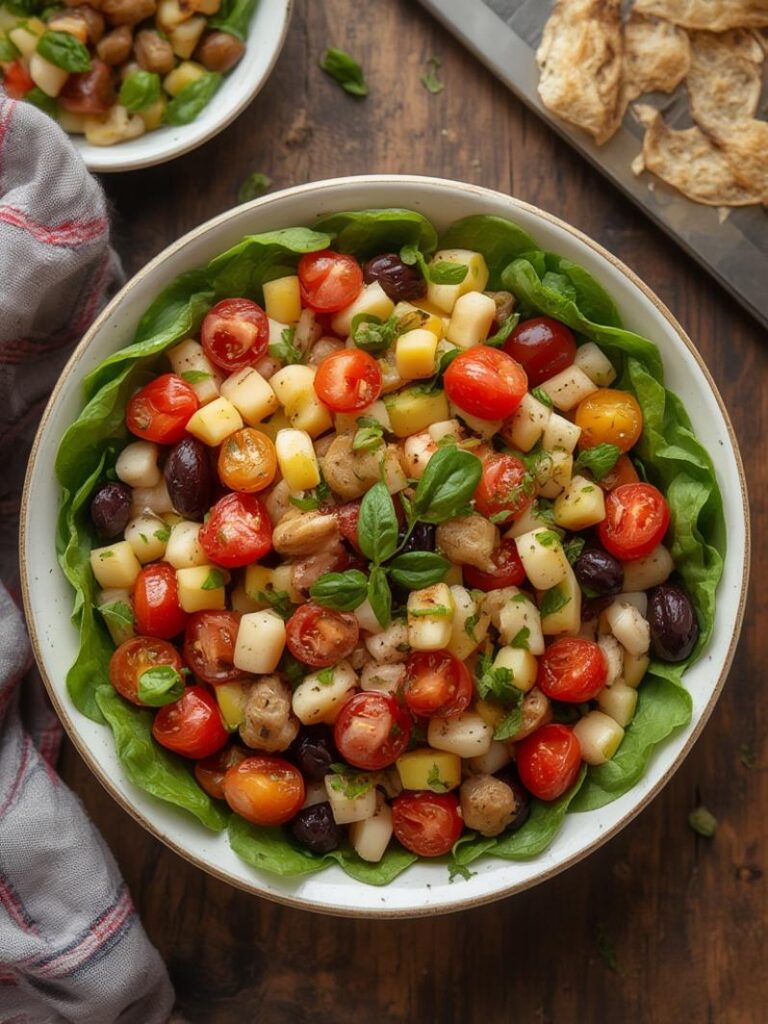
Growing up in Asheville’s mountain kitchens, Mediterranean bean salad became my go-to dish when I wanted something both nourishing and vibrant. The first time I made this colorful medley, I was stunned by how such simple ingredients could create such complex flavors. As someone who believes cooking should be approachable, this mediterranean bean salad perfectly embodies my kitchen philosophy: simplicity first, creativity always. Let me walk you through creating this versatile dish that brings a taste of the sunny Mediterranean to your table without complicated techniques or hard-to-find ingredients.
IN THIS ARTICLE
Key Takeaways: What You Need To Know
– Mediterranean bean salad combines protein-rich beans with fresh vegetables and herbs in a light vinaigrette
– This make-ahead dish keeps well for 3-4 days, making it perfect for meal prep
– Customize with different beans, vegetables, or add-ins while maintaining the core Mediterranean flavor profile
– For the best flavor, allow the salad to marinate for at least 30 minutes before serving
– This recipe works equally well as a side dish, light lunch, or potluck contribution
– Nutritionally balanced with fiber, protein, and healthy fats from the Mediterranean diet
What Makes This Mediterranean Bean Salad Special
Mediterranean bean salad combines protein-rich legumes with fresh vegetables, herbs, and a tangy vinaigrette for a nutritionally balanced dish that’s both satisfying and refreshing.
When I first started developing my mediterranean bean salad recipe, I wanted something that captured the essence of Mediterranean cuisine without requiring a specialty store run. The magic lies in how ordinary pantry ingredients transform into something extraordinary through thoughtful combinations and proper seasoning.
The Perfect Balance of Flavors and Textures
The true art of a Mediterranean bean salad lies in balancing flavors and textures. Each spoonful should offer multiple sensations—the creaminess of beans, crispness of vegetables, brightness of lemon, and the aromatic punch of fresh herbs. Growing up in Asheville, I learned to appreciate how contrasting elements create harmony on a plate.
In my kitchen, I’ve found the ideal ratio is roughly 2:1 beans to vegetables. This ensures the salad feels substantial while still maintaining freshness. The dressing ties everything together, with acid from lemon juice or vinegar cutting through the earthiness of beans.
Health Benefits That Don’t Sacrifice Taste
One reason I return to this mediterranean bean salad repeatedly is its impressive nutritional profile. The beans provide plant-based protein and fiber, while fresh vegetables deliver vitamins and antioxidants. According to the [Harvard T.H. Chan School of Public Health](https://www.hsph.harvard.edu/nutritionsource/legumes-pulses/), legumes like those in this salad may help reduce risk factors for heart disease.
What I appreciate most is how these health benefits come packaged in genuinely delicious flavors. Unlike some “health foods” that feel like a compromise, this Mediterranean bean salad satisfies both nutritional goals and taste buds—a principle I always prioritize in my Mediterranean diet breakfast options as well.
Essential Ingredients for Authentic Mediterranean Bean Salad
The essential ingredients for an authentic Mediterranean bean salad include a mixture of beans (cannellini, chickpeas, kidney), fresh vegetables (tomatoes, cucumbers, bell peppers), red onion, herbs (parsley, basil), and a simple olive oil-lemon dressing.
My approach to Mediterranean bean salad prioritizes fresh, vibrant ingredients that work harmoniously. Living in Asheville exposed me to both local produce and global flavors, influencing how I select components for this dish.
Choosing the Right Beans and Legumes
The foundation of any mediterranean bean salad begins with selecting the right beans. While there’s flexibility here, certain varieties better capture the authentic Mediterranean essence.
| Bean Type | Texture & Flavor Notes |
|---|---|
| Cannellini (White Kidney) | Creamy, mild flavor, holds shape well |
| Chickpeas (Garbanzo) | Nutty flavor, firm texture, excellent for structure |
| Kidney Beans | Earthy flavor, substantial texture, adds color |
| Navy Beans | Small, tender texture, mild flavor |
I typically use a combination of three bean varieties for textural interest. While canned beans offer convenience, dried beans cooked from scratch provide superior texture and flavor. However, as someone who values accessible cooking, I often opt for canned beans rinsed thoroughly to remove excess sodium—a practical approach that still delivers excellent results.
Fresh Vegetables and Herbs That Make the Difference
The vibrant vegetables and herbs in Mediterranean bean salad provide crucial freshness that balances the earthiness of beans. My non-negotiable ingredients include:
– Ripe tomatoes: I prefer cherry or grape varieties for their concentrated sweetness
– English cucumber: Seedless varieties eliminate excess moisture
– Colorful bell peppers: Red, yellow, or orange for sweetness and visual appeal
– Red onion: Thinly sliced and briefly soaked in cold water to temper sharpness
– Fresh herbs: Generous amounts of parsley, mint, or basil—sometimes all three
Living in Asheville taught me to appreciate seasonal produce, and I encourage adapting this mediterranean bean salad based on what looks best at your market. The key is maintaining a balance of textures and including elements that provide brightness against the beans.
For those who enjoy Mediterranean rice recipes, many of these same vegetables work beautifully there too, creating flavor consistency across different dishes.
Step-by-Step Recipe: Creating Your Perfect Bean Salad
To make Mediterranean bean salad, combine 3 cups mixed beans, 1 cup diced vegetables, and ¼ cup red onion, then toss with a dressing of 3 tablespoons olive oil, 2 tablespoons lemon juice, minced garlic, salt, and pepper, finishing with fresh herbs.
The beauty of Mediterranean bean salad lies in its straightforward preparation. Even as someone who started cooking later in life, I found this recipe approachable and forgiving—perfect for building kitchen confidence.
Ingredients and Preparation Methods
For the Salad:
– 1 can (15oz) cannellini beans, drained and rinsed
– 1 can (15oz) chickpeas, drained and rinsed
– 1 can (15oz) red kidney beans, drained and rinsed
– 1 English cucumber, diced (about 1 cup)
– 1 pint cherry tomatoes, halved
– 1 red bell pepper, diced
– ½ red onion, thinly sliced
– ½ cup kalamata olives, pitted and halved
– ½ cup crumbled feta cheese (optional)
– ¼ cup fresh parsley, chopped
– 2 tablespoons fresh mint, chopped
For the Dressing:
– ⅓ cup extra virgin olive oil
– 3 tablespoons fresh lemon juice
– 1 tablespoon red wine vinegar
– 2 cloves garlic, minced
– 1 teaspoon dried oregano
– ½ teaspoon Dijon mustard
– Salt and freshly ground black pepper to taste
The preparation couldn’t be simpler, which aligns perfectly with my cooking philosophy at WePostRecipes:
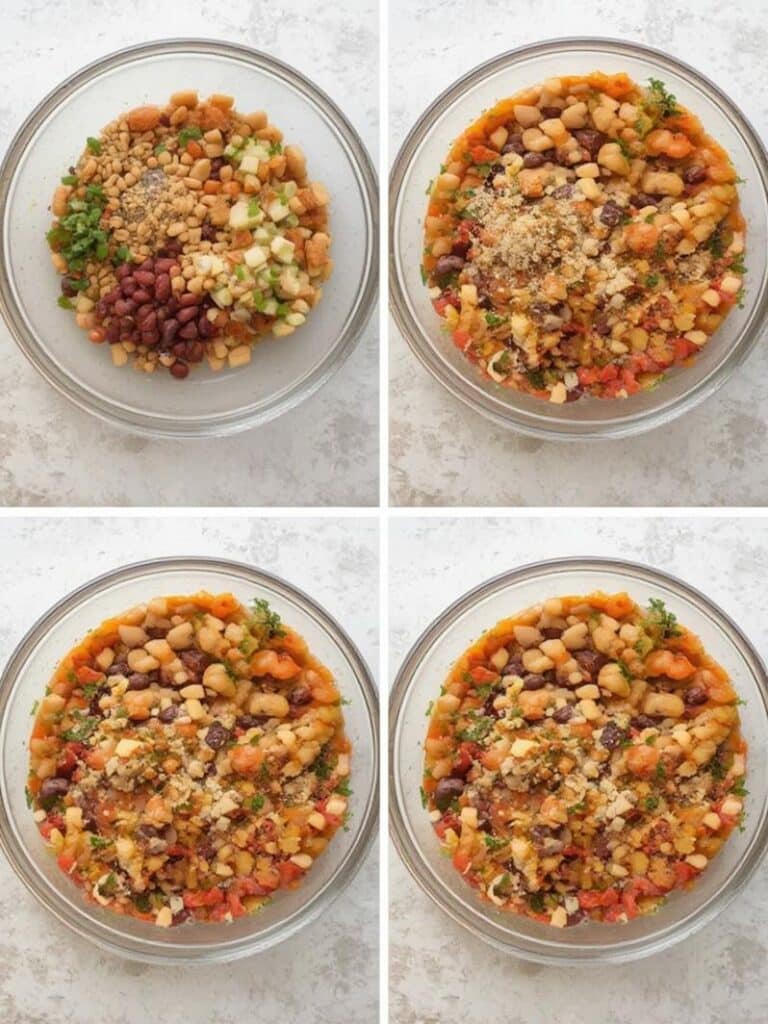
1. In a large bowl, combine all beans, vegetables, olives, and herbs.
2. In a small jar or bowl, whisk together all dressing ingredients until emulsified.
3. Pour dressing over the salad and toss gently to combine.
4. If using feta, fold it in gently last to maintain its texture.
5. Allow to rest for at least 30 minutes before serving for flavors to meld.
When I make this mediterranean bean salad at home in Asheville, I often prepare it the morning before a gathering. The flavors develop beautifully over time, making this an ideal make-ahead dish.
Tips for Perfect Texture and Flavor Balance
Through countless iterations of this recipe, I’ve discovered several techniques that elevate the final result:
1. Bean preparation matters: For canned beans, rinse thoroughly under cold water until foam dissipates to remove excess starch and sodium.
2. Address the onion intensity: Soak sliced red onions in cold water for 10 minutes before adding to tame their sharpness while preserving crunch.
3. Cut vegetables uniformly: Similar-sized pieces ensure balanced bites and even distribution of flavors.
4. Dress properly: Start with less dressing than you think you need—you can always add more, but an overdressed salad becomes soggy quickly.
5. Season in layers: Season the vegetables lightly before adding dressing, then adjust final seasoning after combining.
My neighbor Sarah, who initially claimed not to like bean salads, became a convert after trying this recipe. “It’s nothing like the mushy bean salads I remember from potlucks,” she told me. “Each bite has different textures and flavors—it’s actually exciting to eat!”
If you enjoy this Mediterranean approach to simple, flavorful cooking, my Mediterranean meatballs recipe follows similar principles of balanced flavors and accessible ingredients.
Variations and Creative Twists on the Classic Recipe
Create unique Mediterranean bean salad variations by incorporating different beans (black, navy, fava), grains (farro, quinoa), proteins (tuna, shrimp), or regional ingredients (artichokes, sun-dried tomatoes) while maintaining the core Mediterranean flavor profile.
One aspect I love about Mediterranean bean salad is its adaptability. Coming from a creative Asheville kitchen, I appreciate recipes that serve as frameworks for personalization rather than rigid formulas.
Seasonal Adaptations Throughout the Year
The Mediterranean bean salad concept beautifully accommodates seasonal produce changes, allowing year-round enjoyment with different flavors:
Spring Version:
– Add tender asparagus tips, blanched briefly
– Incorporate fresh peas for sweetness and texture
– Use young arugula or tender spring greens
– Emphasize fresh mint and dill for brightness
Summer Version:
– Feature ripe heirloom tomatoes at their peak
– Add grilled corn kernels for smoky sweetness
– Incorporate thinly sliced summer squash or zucchini
– Use abundant basil along with parsley
Fall Version:
– Include roasted diced butternut squash or sweet potato
– Add thinly sliced fennel for anise notes
– Incorporate pomegranate seeds for juicy bursts
– Use heartier herbs like sage and rosemary (sparingly)
Winter Version:
– Add roasted red peppers for color and sweetness
– Incorporate chopped preserved lemon for brightness
– Use sturdy greens like kale, finely chopped
– Add toasted nuts for warmth and texture
Living through Asheville’s distinct seasons inspired these adaptations. I learned that maintaining the core Mediterranean flavor profile while embracing seasonal produce creates dishes that feel both familiar and exciting.
Regional Mediterranean Influences to Try
The Mediterranean encompasses diverse culinary traditions, each offering unique interpretations of bean salads:
Greek-Inspired Version:
– Focus on chickpeas as the primary bean
– Include generous feta cheese and kalamata olives
– Use oregano as the dominant herb
– Add a touch of cinnamon for authentic depth
Italian-Inspired Version:
– Feature cannellini beans prominently
– Include sun-dried tomatoes and artichoke hearts
– Add pine nuts and fresh basil
– Incorporate a splash of balsamic vinegar in the dressing
Spanish-Inspired Version:
– Use multiple beans including Spanish judión beans if available
– Add roasted piquillo peppers and Spanish olives
– Include smoked paprika in the dressing
– Top with Manchego cheese shavings
North African-Inspired Version:
– Focus on chickpeas as the primary bean
– Include preserved lemon and green olives
– Use a spice blend with cumin, coriander, and cinnamon
– Add harissa to the dressing for heat
These variations remind me of my travels and the cooking classes I’ve taken over the years. They demonstrate how mediterranean bean salad can be a culinary passport while maintaining its approachable preparation style.
For those who enjoy these Mediterranean flavors, I’ve created other adaptable recipes like my Mediterranean diet snacks that follow similar principles of regional inspiration.
Serving Suggestions and Meal Planning Ideas
Mediterranean bean salad works as a standalone light meal, side dish for grilled proteins, potluck contribution, meal prep staple, or component of a mezze platter, maintaining its freshness for up to four days refrigerated.
One aspect I value in my recipes is versatility, and this mediterranean bean salad exemplifies that quality. From casual weeknight dinners in my Asheville kitchen to entertaining friends, this dish adapts to numerous contexts.
Pairing With Other Mediterranean Dishes
Mediterranean bean salad shines as part of a larger spread of complementary dishes. When hosting, I often create a Mediterranean-themed menu with these pairings:
Main Course Pairings:
– Grilled lemon-herb chicken or my Mediterranean salmon recipe
– Simple roasted lamb with rosemary and garlic
– Vegetarian options like stuffed bell peppers or eggplant
– Hearty grain dishes like my Mediterranean rice recipe
Side Dish Companions:
– Warm pita bread or homemade flatbread
– Simple green salad with light vinaigrette
– Roasted vegetables with similar herbs for flavor continuity
– Greek yogurt with cucumber and garlic (tzatziki)
Complete Menu Example:
1. Mediterranean bean salad as a starter
2. Mediterranean bowl recipe featuring grains and roasted vegetables
3. Mediterranean steak bowl for meat-eaters
4. Simple olive oil cake with fresh berries for dessert
Living in Asheville influenced my appreciation for thoughtful food pairings. Our community potlucks taught me how dishes complement each other, creating a more satisfying overall dining experience.
Make-Ahead Tips and Storage Recommendations
Mediterranean bean salad actually improves with time as flavors meld, making it perfect for meal preparation and planning.
Optimal Make-Ahead Timeline:
– 1-2 hours ahead: Basic flavor development begins, good for same-day serving
– 12-24 hours ahead: Ideal flavor melding while vegetables maintain crispness
– 2-3 days ahead: Still excellent, though some vegetables soften slightly
– 4 days: Maximum storage time for optimal quality
Storage Best Practices:
1. Store in airtight glass containers rather than plastic to prevent flavor transfer
2. Keep herbs separate and add just before serving if preparing more than 24 hours ahead
3. Reserve a small portion of fresh dressing to refresh the salad before serving
4. If including delicate ingredients like avocado, add those only before serving
I developed these guidelines through experience and testing. When I started my blog, I wanted recipes that worked with busy schedules, not against them.
“I make a batch every Sunday for my lunches,” shared my colleague Tom. “By Wednesday it’s even better than Monday, and having a nutritious lunch ready to go has completely changed my workday eating habits.”
For those interested in more make-ahead Mediterranean options, my Mediterranean quinoa salad follows similar preparation principles while offering different flavors and textures.
Nutritional Benefits and Dietary Considerations
Direct Answer: Mediterranean bean salad offers significant nutritional benefits including plant-based protein (10-15g per serving), dietary fiber (10-12g per serving), heart-healthy fats from olive oil, and essential vitamins and minerals while being naturally gluten-free, vegetarian, and adaptable for vegan diets.
Growing up in a family where good food and good health were equally valued, I’ve always approached recipes with nutrition in mind. This mediterranean bean salad exemplifies how delicious food can simultaneously support wellbeing—a core value of my WePostRecipes philosophy.
How This Salad Fits Into Various Dietary Plans
One reason I frequently prepare this Mediterranean bean salad is its remarkable adaptability to different dietary needs:
Mediterranean Diet Compatibility:
This salad perfectly aligns with the Mediterranean diet principles, featuring plant-based proteins, olive oil, fresh vegetables, and minimal processed ingredients. According to the [Mayo Clinic](https://www.mayoclinic.org/healthy-lifestyle/nutrition-and-healthy-eating/in-depth/mediterranean-diet/art-20047801), this eating pattern is associated with reduced risk of heart disease and other chronic conditions.
Vegetarian/Vegan Adaptations:
– Naturally vegetarian
– Easily vegan by omitting feta or replacing with nutritional yeast or vegan cheese
– Provides complete proteins when various beans are combined
Gluten-Free Considerations:
– Naturally gluten-free with all primary ingredients
– Verify any packaged ingredients (vinegars, mustard) are certified gluten-free if necessary
Lower-Carb Adaptations:
– Increase ratio of non-starchy vegetables to beans
– Focus on higher protein beans like edamame or lupini
– Add healthy fats through extra olive oil or avocado
Weight Management Supportive:
– High in fiber for satiety
– Protein content helps maintain muscle mass
– Volume of vegetables provides nutrients with moderate calorie content
Having hosted gatherings with friends following different dietary patterns, I appreciate recipes that can serve everyone without requiring multiple versions. This Mediterranean bean salad has become my go-to for inclusive entertaining.
Calorie and Macro Breakdown
For those monitoring nutritional intake more specifically, here’s the approximate breakdown for a standard serving (approximately 1 cup) of this mediterranean bean salad:
| Nutrient | Amount Per Serving |
|---|---|
| Calories | 250-300 kcal |
| Protein | 10-15g |
| Carbohydrates | 30-35g |
| Fiber | 10-12g |
| Fat | 10-12g (primarily monounsaturated) |
| Sodium | 300-400mg (varies with added salt) |
Beyond macronutrients, this salad provides significant micronutrients:
– Vitamins A and C from fresh vegetables
– Potassium and magnesium from beans
– Iron from beans and dark greens
– Calcium from feta if included
For those interested in Mediterranean-style nutrition beyond salads, my Mediterranean ground beef stir-fry offers another nutritionally balanced option with different flavor profiles.
Troubleshooting Common Issues and FAQs
Common Mediterranean bean salad issues include soggy vegetables (solution: pat dry ingredients), bland flavor (add acid and salt), mushy beans (use firmer varieties, don’t overcook), and poor texture (cut ingredients uniformly and maintain proper proportions).
Through years of recipe development and teaching cooking classes in Asheville, I’ve encountered most common challenges with Mediterranean bean salad. Here are solutions to the problems I see most frequently.
How Do I Keep My Salad Fresh and Crisp?
Maintaining the perfect texture balance in mediterranean bean salad requires attention to several factors:
Prevention Strategies:
1. Thoroughly dry all ingredients before combining. I pat vegetables dry with kitchen towels and drain beans completely.
2. Dress strategically. Rather than drowning ingredients in dressing, I toss beans with dressing first, then gently fold in vegetables. This creates flavor without sogginess.
3. Layer strategically for storage. When making ahead, I sometimes layer components—beans on bottom, then firmer vegetables, with delicate items on top—and mix just before serving.
4. Use the right containers. Glass containers with tight seals prevent moisture accumulation better than plastic.
5. Consider component preparation. For events where presentation matters, I sometimes prepare components separately and assemble just before serving.
“I was always disappointed by soggy bean salads until I tried Chloe’s technique of patting everything dry first,” shared Maria, a reader who attended one of my cooking workshops. “Such a simple step made an enormous difference!”
For those who enjoy Mediterranean salads but struggle with maintaining freshness, my Mediterranean salad recipe includes additional techniques for keeping greens crisp.
Frequently Asked Questions About Mediterranean Bean Salad
After publishing this recipe on WePostRecipes, I’ve received consistent questions that might help you avoid common pitfalls:
Q: Can I use dried beans instead of canned?
A: Absolutely! Dried beans offer superior texture and flavor control. Soak overnight, then cook until tender but still firm. Allow them to cool completely before adding to the salad. The texture improvement is noticeable, though canned beans remain a perfectly acceptable time-saving option.
Q: How can I make this more filling as a main dish?
A: Add protein sources like tuna, grilled chicken, or hard-boiled eggs. Alternatively, increase heartiness by incorporating cooked grains like farro or quinoa, similar to my Mediterranean chickpea salad that works well as a complete meal.
Q: My onions are too harsh—how can I mellow them?
A: Soak sliced red onions in cold water for 10-15 minutes, then drain and pat dry before adding to the salad. This removes some of the sharp compounds while maintaining crunch. Alternatively, pickle them lightly in a bit of the dressing for 30 minutes before incorporating.
Q: How can I reduce the sodium content?
A: Cook dried beans without salt, choose low-sodium canned beans, rinse canned beans thoroughly, and use herbs and lemon juice rather than salt to boost flavor. Adding a pinch of sumac provides brightness without additional sodium.
Q: My beans always taste bland despite the dressing. What am I doing wrong?
A: Beans need to be seasoned while still warm to absorb flavors effectively. If using canned beans, warming them slightly before dressing helps. Additionally, let the dressed beans sit for at least 30 minutes before adding other ingredients to allow flavor penetration.
Throughout my cooking journey, I’ve learned that understanding the “why” behind cooking techniques leads to better results. The questions above reflect common challenges I’ve experienced and overcome in my own kitchen, leading to the reliable mediterranean bean salad recipe I’m sharing today.
One kitchen student, James, shared: “What I appreciate most about Chloe’s recipes is how she anticipates problems before they happen. The soaking tip for onions completely changed my salads—I’d been avoiding them entirely because they overpowered everything else!”
—
I developed this Mediterranean bean salad recipe during a particularly busy season of life, when I needed nutritious meals that could be prepared ahead without sacrificing flavor or freshness. It quickly became a staple in my Asheville kitchen rotation, proving that healthful eating doesn’t require complicated techniques or hours of preparation.
The beauty of this dish lies in its adaptability. Start with the foundation I’ve provided, then make it your own by adjusting ingredients to suit your preferences and what’s available in your market. Whether you’re new to Mediterranean flavors or a seasoned fan, this bean salad offers an approachable entry point to this celebrated and healthful culinary tradition.
What I value most about cooking is creating food that brings people together while nourishing both body and spirit. This Mediterranean bean salad accomplishes exactly that—simple enough for beginners, interesting enough for experienced cooks, and delicious enough for everyone at your table.