Disclaimer: This content is for educational purposes only, not medical advice. Always consult with a doctor before making significant changes to your diet, especially if you have pre-existing health conditions.
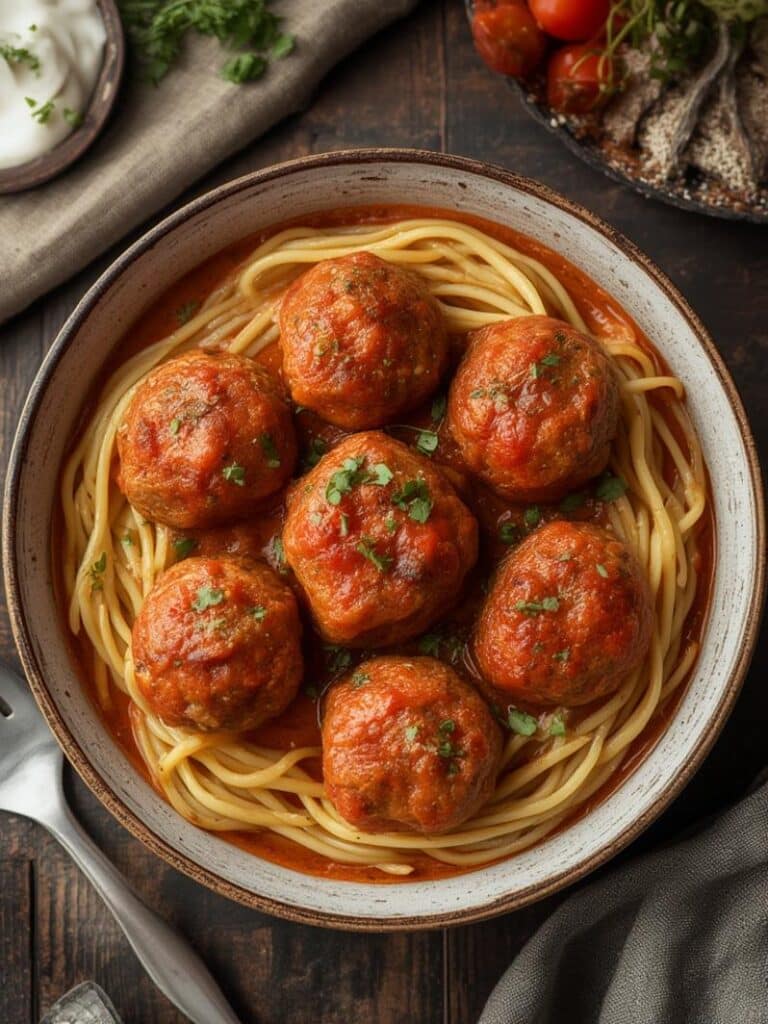
Growing up in the mountains of Asheville, I never imagined that a Mediterranean meatballs recipe would become one of my family’s most requested dishes. The first time I made these herb-infused meatballs, my kitchen filled with aromas that transported us straight to coastal villages despite being nestled in the North Carolina hills. These meatballs blend the bright, fresh flavors of the Mediterranean with simple, approachable techniques that even kitchen newcomers can master confidently. Through years of testing and tweaking, I’ve perfected a version that delivers authentic taste without requiring specialty equipment or hard-to-find ingredients.
IN THIS ARTICLE
Key Takeaways: What You Need To Know
– These Mediterranean meatballs combine ground lamb and beef with herbs like mint, oregano, and parsley for authentic flavor
– The secret to perfectly tender meatballs lies in not overworking the meat mixture and including bread soaked in milk
– You can prepare these meatballs in advance and freeze them for quick weeknight meals
– Serving options include traditional tomato sauce, yogurt-based sauces, or as part of a mezze platter
– These versatile meatballs work beautifully in pita pockets, over grains, or alongside a Mediterranean salad recipe
The Magic of Mediterranean Meatballs: Origins and Inspiration
Mediterranean meatballs originated throughout Greece, Turkey, Lebanon, and surrounding countries, with each region adding unique herbs, spices, and cooking methods. These protein-rich delights showcase the Mediterranean diet’s emphasis on fresh herbs, healthy fats, and balanced flavors.
My journey with this Mediterranean meatballs recipe began during a cooking workshop I attended in my early thirties. The instructor, who had spent years traveling through Greece and Turkey, introduced us to keftedes and köfte—traditional meatballs that left me completely smitten. The simplicity of these protein-packed bites, bursting with herbs and subtle spices, reminded me that sometimes the most straightforward foods carry the most profound flavors.
The Mediterranean diet, recognized globally for its health benefits, features these meatballs as a perfect protein option that balances nutrition with incredible taste. Unlike heavy, sauce-drenched Italian-American versions, these lighter meatballs let the meat and herbs shine through. They’re a testament to the Mediterranean approach of using quality ingredients simply.
How Do Traditional Mediterranean Meatballs Differ From Italian Ones?
The primary differences between Mediterranean and Italian meatballs lie in their seasoning profiles, size, and serving methods. Mediterranean versions typically feature more herbs like mint, parsley, and dill, while Italian meatballs often rely on basil, oregano, and parmesan. Additionally, Mediterranean meatballs are generally smaller and frequently served without heavy sauces.
In my Asheville kitchen, I’ve often served both styles at gatherings, and it’s fascinating to watch guests discover the lighter, herb-forward Mediterranean version. Many are surprised by how the fresh herbs and spices create such depth without relying on garlic and cheese. The Mediterranean approach celebrates the meat’s natural flavor rather than disguising it.
What Makes These Meatballs Authentically Mediterranean?
Authentic Mediterranean meatballs incorporate specific ingredients and techniques that differentiate them from other varieties. Key elements include generous fresh herbs (particularly mint and parsley), aromatic spices like cumin and cinnamon, and often a combination of meats like lamb and beef. Many traditional recipes also include grated onion rather than chopped for moisture and subtle flavor.
I remember my first attempt at making these in my twenties—I used dried herbs and all beef. The result was good but lacked the vibrant flavor I was seeking. After connecting with a Greek neighbor who shared her family’s techniques, I discovered the transformative power of fresh herbs and the perfect lamb-beef ratio. These small changes elevated my recipe from good to memorably authentic.
Essential Ingredients for Perfect Mediterranean Meatballs
The essential ingredients for authentic Mediterranean meatballs include a mix of ground lamb and beef, fresh herbs (mint, parsley, and oregano), aromatic spices (cumin, coriander, and cinnamon), grated onion, bread soaked in milk, and Mediterranean olive oil.
When creating these meatballs, I’ve learned that ingredient quality makes all the difference. The Mediterranean approach values fresh, simple components combined thoughtfully. After many test batches in my Asheville home, I’ve found the perfect balance that delivers authentic flavor without requiring specialty market runs.
For the meat, I recommend a 50/50 blend of lamb and beef. The lamb provides distinctive flavor while the beef offers familiar comfort. However, if lamb isn’t your preference, using all beef still creates delicious results—just add a touch more olive oil and spices to compensate for lamb’s natural richness. My budget-conscious neighbors often use turkey with excellent results when prepared properly.
What Fresh Herbs Work Best in Mediterranean Meatballs?
Fresh herbs form the cornerstone of this Mediterranean meatballs recipe, with mint, parsley, and oregano creating the signature flavor profile. Fresh mint provides brightness that dried simply cannot match, while flat-leaf parsley adds earthy notes and color. Fresh oregano introduces complexity that balances the richness of the meat.
I grow herbs in pots on my kitchen windowsill year-round to ensure I always have fresh options available. However, in winter when my plants aren’t as productive, I’ve found that a mix of some fresh and some dried herbs still produces excellent results. The key is using at least one fresh herb (preferably mint) to maintain that distinctive Mediterranean brightness.
How Do Spices Enhance Mediterranean Meatballs?
The spice blend in Mediterranean meatballs creates their distinctive warm, aromatic profile without overwhelming heat. A balanced combination of cumin, coriander, cinnamon, and allspice delivers authentic flavor. These spices should complement rather than dominate the meat and herbs.
When I first experimented with this recipe, I went overboard with spices, creating meatballs that tasted more like Moroccan food. Through repeated testing, I discovered that restraint is key—just enough spices to create a warm background note while letting the herbs and meat shine through. My current blend uses ½ teaspoon each of cumin and coriander with just a pinch of cinnamon for perfect balance.
Step-by-Step Mediterranean Meatballs Recipe
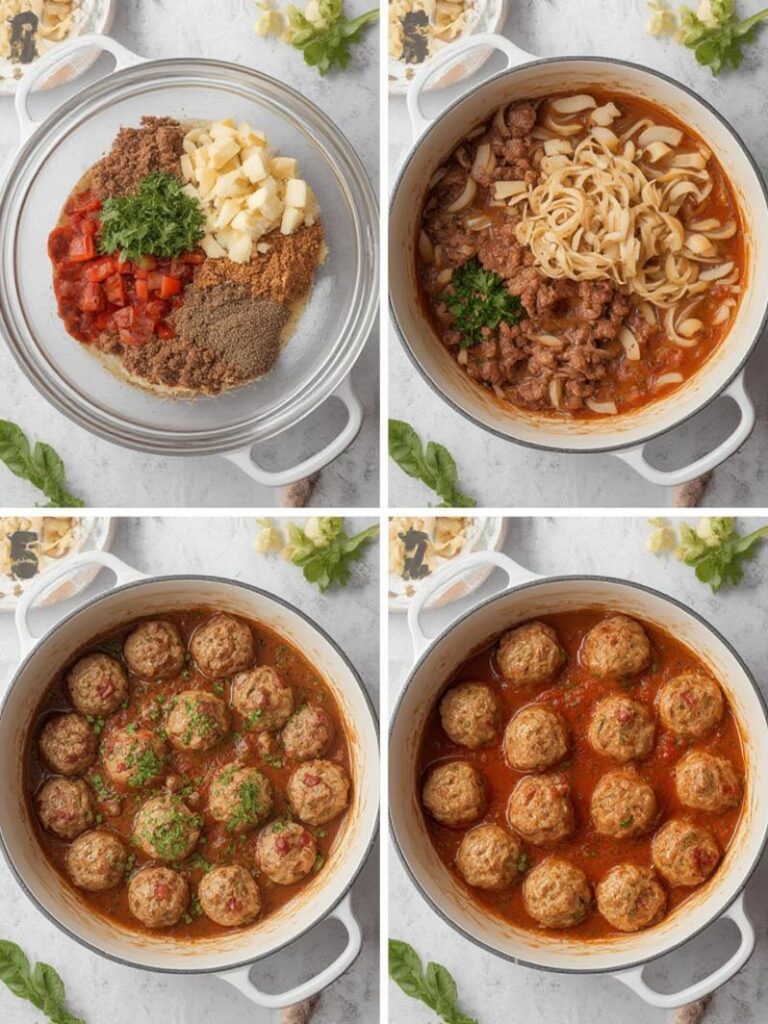
To make Mediterranean meatballs, gently combine ground meats with soaked bread, fresh herbs, spices, and grated onion. Form into small balls, chill for 30 minutes, then cook by baking at 400°F for 15-20 minutes or pan-frying 2-3 minutes per side until golden and cooked through.
Now let’s dive into my perfected recipe for Mediterranean meatballs. I’ve refined this over years of feeding family and friends in my Asheville kitchen. The process is straightforward but includes a few crucial techniques that elevate the result from good to exceptional.
| Ingredients | Quantity |
|---|---|
| Ground lamb | ½ pound |
| Ground beef (80/20) | ½ pound |
| Day-old bread, crusts removed | 2 slices |
| Milk | ¼ cup |
| Onion, grated | 1 small |
| Fresh mint, finely chopped | 2 tablespoons |
| Fresh parsley, finely chopped | ¼ cup |
| Fresh oregano, finely chopped (or 1 tsp dried) | 1 tablespoon |
| Ground cumin | ½ teaspoon |
| Ground coriander | ½ teaspoon |
| Ground cinnamon | ¼ teaspoon |
| Egg | 1 large |
| Salt | 1 teaspoon |
| Black pepper | ½ teaspoon |
| Olive oil (for cooking) | 3 tablespoons |
What’s the Best Technique for Mixing and Shaping the Meatballs?
The key technique for perfect Mediterranean meatballs lies in gentle handling of the mixture and proper chilling before cooking. Begin by soaking the bread in milk until soft, then squeeze out excess liquid. Combine all ingredients in a large bowl with clean hands, mixing just until incorporated—overmixing creates tough meatballs.
I learned the importance of gentle handling after serving rubbery meatballs at one of my first dinner parties. Now, I mix just until the ingredients are distributed, then scoop tablespoon-sized portions and roll them lightly between dampened palms. After shaping, I always chill the meatballs for at least 30 minutes. This step, which I used to skip, actually helps them maintain their shape during cooking and improves their texture tremendously.
What Are the Different Cooking Methods for Mediterranean Meatballs?
Mediterranean meatballs can be cooked using several methods, each offering different benefits. Baking at 400°F for 15-20 minutes provides even cooking and less hands-on time. Pan-frying in olive oil for 2-3 minutes per side creates a delicious crust while keeping the centers tender. For summer cooking, grilling offers smoky flavor that complements the herbs perfectly.
In my household, I typically bake meatballs for family dinners when I’m juggling multiple dishes. However, when I’m serving them as part of a Mediterranean bowl recipe, I prefer pan-frying for that golden crust. The most important thing regardless of method is not overcooking—these meatballs should remain juicy and tender.
Delicious Sauce Pairings for Mediterranean Meatballs
The best sauces for Mediterranean meatballs include tangy yogurt-based tzatziki, rich tomato sauce with hints of cinnamon, creamy tahini sauce with lemon and garlic, and a simple olive oil drizzle with herbs. Each complements the meatballs’ herb-forward flavor profile without overwhelming them.
One thing I love about these meatballs is their versatility with different sauces. Unlike Italian-style meatballs that are traditionally paired with marinara, Mediterranean versions work with a variety of accompaniments. Through much delicious testing, I’ve discovered several perfect pairings that enhance without overpowering the meatballs’ delicate herb flavors.
My go-to sauce is a simple tzatziki made with Greek yogurt, cucumber, dill, and garlic. The cooling yogurt beautifully balances the warm spices in the meatballs. For dinner parties, I often serve a trio of sauces in small bowls, allowing guests to customize their experience. This interactive approach always sparks conversation and appreciation for the diverse Mediterranean flavor profile.
How Do You Make an Authentic Mediterranean Tomato Sauce?
Authentic Mediterranean tomato sauce differs from Italian versions with its inclusion of warming spices like cinnamon and allspice. To make it, sauté finely diced onion in olive oil until translucent, add minced garlic briefly, then incorporate crushed tomatoes, a small cinnamon stick, a pinch of allspice, and a teaspoon of honey. Simmer gently for 20-30 minutes until slightly thickened.
I discovered this sauce variation while researching recipes for a Mediterranean rice recipe, and it’s become a family favorite. The subtle warmth from the spices transforms ordinary tomato sauce into something distinctively Mediterranean. My daughter, who typically avoids tomato sauces, actually requests this version specifically for our meatball nights.
What Makes Yogurt-Based Sauces Perfect for These Meatballs?
Yogurt-based sauces like tzatziki provide the perfect counterpoint to Mediterranean meatballs through their cooling tanginess, creamy texture, and complementary herbs. The acidity in yogurt cuts through the richness of the meat while the fresh herbs echo those in the meatballs themselves. Additionally, these sauces add probiotic benefits that align with the Mediterranean diet’s health focus.
Creating the perfect tzatziki took me several attempts. The breakthrough came when I started salting and draining the grated cucumber before mixing it with the yogurt—this prevents watery sauce that slides off the meatballs. Now I make a double batch whenever we have Mediterranean meatballs, as my family uses it on everything from the meatballs to Mediterranean quinoa salad.
Creative Serving Ideas for Mediterranean Meatballs
Direct Answer Summary: Mediterranean meatballs shine when served in pita pockets with fresh vegetables, as part of mezze platters with hummus and olives, over grain bowls with roasted vegetables, wrapped in lettuce leaves for low-carb options, or skewered as appetizers with dipping sauces.
The versatility of these meatballs makes them perfect for everything from quick family dinners to elegant entertaining. Over years of serving them in my Asheville home, I’ve developed several presentation options that always impress guests while remaining approachable and satisfying. These serving suggestions help transform one recipe into multiple distinct meals.
For weeknight dinners, I often create Mediterranean grain bowls with the meatballs arranged over warm farro or bulgur, surrounded by roasted vegetables, a scoop of Mediterranean bean salad, and a generous drizzle of sauce. This colorful presentation takes minimal extra effort but makes dinner feel special. The whole-grain base aligns perfectly with Mediterranean diet principles while providing a satisfying complete meal.
How Can You Create an Impressive Mediterranean Mezze Platter?
A show-stopping Mediterranean mezze platter centers these meatballs among complementary small dishes like hummus, olives, marinated feta, roasted red peppers, and warm pita. Arrange these elements on a large wooden board or platter with the meatballs as the centerpiece, surrounded by colorful vegetables and dips in small bowls. Add fresh herbs as garnish and provide toothpicks for easy serving.
When I host summer gatherings on my porch overlooking the Asheville mountains, this presentation always draws compliments. The key is balancing colors and textures—something creamy, something briny, something fresh, something warm. I often include a Mediterranean chickpea salad for additional protein and a bowl of nuts for extra crunch.
What Are Some Family-Friendly Ways to Serve Mediterranean Meatballs?
Family-friendly serving options include meatball pitas with simple toppings, meatball “sliders” on small rolls, pasta tossed with meatballs and a light sauce, or a build-your-own meatball bowl station where family members can customize their toppings. These approaches make the unfamiliar flavors more approachable for children while maintaining the dish’s integrity.
My nephew initially turned his nose up at the “green specks” in these meatballs. I solved this by creating a meatball pita “taco” bar where he could add his preferred toppings. He started with just meatballs and a little sauce in his pita, but by the third family dinner featuring this spread, he was adding cucumber, tomato, and even a tiny dollop of tzatziki. Now he requests “those special tacos” whenever he visits.
Make-Ahead and Storage Tips for Mediterranean Meatballs
Direct Answer Summary: Mediterranean meatballs can be prepared in advance by mixing and shaping the meat mixture up to 24 hours before cooking. Once cooked, they store well in the refrigerator for 3-4 days or can be frozen for up to 3 months, making them perfect for meal prep and batch cooking.
As someone who values efficiency in the kitchen, I’ve perfected methods for preparing these meatballs in advance. This approach has saved countless weeknight dinners in my household. When I find myself with free time on weekends, I often make a double or triple batch to freeze for future meals.
The brilliant thing about this Mediterranean meatballs recipe is that it actually benefits from some make-ahead preparation. The flavors meld beautifully when the mixture rests, resulting in more complex taste. I’ve found that shaping the meatballs and refrigerating them overnight before cooking yields the most flavorful result, plus it divides the work into manageable sessions.
What’s the Best Method for Freezing Mediterranean Meatballs?
The best method for freezing Mediterranean meatballs involves flash-freezing them individually before transferring to storage containers. Form and cook the meatballs completely, then cool to room temperature. Arrange in a single layer on a parchment-lined baking sheet and freeze until solid (about 2 hours). Then transfer to freezer-safe containers or bags, separating layers with parchment paper.
I learned this technique after ending up with a solid block of frozen meatballs that required thawing the entire batch at once. Now I portion them in packages of 12-15 meatballs—perfect for a meal for my family of four with a few leftovers. This approach allows me to grab just what I need without thawing extras. For extra organization, I label each package with the date and contents.
How Can You Incorporate Leftover Meatballs Into New Meals?
Leftover Mediterranean meatballs transform beautifully into new dishes such as meatball soups with vegetables and orzo, chopped meatball pita pizzas, meatball and roasted vegetable grain bowls, or crumbled into frittatas with feta and spinach. These reinventions prevent leftover fatigue while maintaining the Mediterranean flavor profile.
One of my favorite transformations comes from a weeknight kitchen emergency when I had unexpected guests. I chopped leftover meatballs and tossed them with warm pearl couscous, roasted vegetables, a handful of arugula, and a quick lemon-olive oil dressing. This impromptu Mediterranean pasta salad variation earned rave reviews and is now part of my regular rotation. The meatballs added protein and flavor that elevated a simple side into a complete meal.
“I’ve tried dozens of meatball recipes over the years, but Chloe’s Mediterranean version is the only one that’s earned a permanent spot in my meal rotation,” says Maria L., a regular reader from Charlotte. “The combination of fresh herbs makes all the difference, and my kids actually cheer when they see these on the dinner table. The make-ahead option has saved our busy weeknights countless times.”
Adapting Mediterranean Meatballs for Dietary Needs
Direct Answer Summary: Mediterranean meatballs adapt easily to dietary requirements through simple substitutions: use gluten-free breadcrumbs for celiac needs, replace bread with cooked quinoa for grain-free versions, substitute plant-based grounds for vegetarian options, or use all beef/turkey for those avoiding lamb. The herb-forward profile remains delicious with these modifications.
Over my years of cooking for friends and family with various dietary needs, I’ve developed several variations of this recipe that accommodate restrictions without sacrificing flavor. The Mediterranean diet itself is naturally adaptable, focusing on whole foods and fresh ingredients that work for many eating styles.
When my sister-in-law was diagnosed with celiac disease, I quickly adapted the recipe by substituting gluten-free panko for the soaked bread. The results were nearly identical to the original version. Similarly, when cooking for friends who follow keto guidelines, I’ve successfully replaced the bread with almond flour and added an extra egg for binding. These experiences taught me that the essence of Mediterranean cooking lies in the herbs and spices rather than any single ingredient.
How Can You Create Delicious Plant-Based Mediterranean Meatballs?
Plant-based Mediterranean meatballs can be created by substituting lentils, chickpeas, or plant-based ground products for the meat while keeping the herb and spice profile intact. For lentil versions, combine 2 cups of cooked lentils (slightly undercooked) with ½ cup toasted walnuts, process briefly, then add the traditional herbs, spices, and a binder like ground flaxseed mixed with water.
My journey to a perfect plant-based version began when hosting a dinner that included vegan friends. After several test batches, I discovered that the key lies in creating enough texture to mimic meat’s chew while ensuring adequate binding. The lentil-walnut combination achieves this beautifully, especially when paired with the bold Mediterranean herb profile. These plant-based meatballs have even won over dedicated meat-eaters when served as part of a Mediterranean bowl with plenty of flavorful toppings.
What Modifications Work for Low-Carb and Keto Mediterranean Diets?
For low-carb and keto Mediterranean diets, replace the bread with almond flour or crushed pork rinds, ensure all herbs and spices are free from added sugars, and serve the meatballs with keto-friendly accompaniments like cauliflower rice, zucchini noodles, or a Mediterranean diet snack board featuring olives, cheese, and nuts.
A close friend following a keto plan requested help adapting her favorite recipes. Together we tested several versions of these meatballs, eventually settling on a combination of almond flour and crushed pork rinds as the ideal binder. We discovered that adding a tablespoon of grated hard cheese like pecorino helped with binding and flavor. When served over cauliflower rice with a side of Greek salad, this version creates a satisfying keto meal that maintains authentic Mediterranean flavors.
The Health Benefits of Mediterranean Meatballs
Direct Answer Summary: Mediterranean meatballs offer numerous health benefits through their balanced nutritional profile. They provide quality protein, heart-healthy monounsaturated fats from olive oil, anti-inflammatory compounds from fresh herbs and spices, and moderate portion control that aligns with the Mediterranean diet’s proven health advantages.
As someone who values both flavor and nutrition, I appreciate how these meatballs deliver on both fronts. The Mediterranean diet has been extensively studied for its health benefits, particularly for heart health, cognitive function, and inflammation reduction. These meatballs incorporate many key principles of this eating pattern.
The combination of quality protein, healthy fats, and antioxidant-rich herbs makes these meatballs far more than just a tasty dinner option. When I serve them to my family, I know I’m providing nourishment that supports overall wellness while still delivering the comfort and satisfaction we all crave from a hearty meal. This balance epitomizes what I love about Mediterranean cooking traditions.
Why Are Fresh Herbs Not Just Flavorful But Healthy Too?
Fresh herbs contribute significant health benefits beyond their flavor, providing antioxidants, vitamins, and anti-inflammatory compounds. Mint aids digestion and contains antioxidants, parsley delivers vitamin K and C while supporting kidney function, and oregano contains carvacrol and thymol, which have antimicrobial properties. These herbs have been used medicinally throughout Mediterranean history.
I became particularly interested in herbs’ health properties while researching recipes for a Mediterranean diet breakfast series. The revelation that the very ingredients making my food delicious were also boosting my family’s health inspired me to incorporate even more fresh herbs into our meals. Now, rather than viewing herbs as optional garnishes, I treat them as essential ingredients for both flavor and wellness.
How Does This Recipe Fit Into an Overall Mediterranean Eating Pattern?
This meatball recipe aligns perfectly with the Mediterranean eating pattern by incorporating key principles: moderate portions of high-quality protein, abundant herbs and spices rather than excessive salt, heart-healthy olive oil, minimal processed ingredients, and compatibility with vegetable-forward side dishes. When served alongside whole grains and vegetables, these meatballs create a balanced plate reflecting the Mediterranean diet pyramid.
In my household, I typically serve these meatballs as part of a larger Mediterranean-inspired spread that includes several vegetable dishes. This approach naturally creates the primarily plant-based meal pattern associated with Mediterranean eating while still providing satisfying protein. For a complete Mediterranean experience, I might pair the meatballs with Mediterranean salmon for guests who enjoy seafood variety, creating a feast that’s as nutritious as it is delicious.