Disclaimer: This content is for educational purposes only, not medical advice. Always consult with a doctor before making significant changes to your diet, especially if you have pre-existing health conditions.
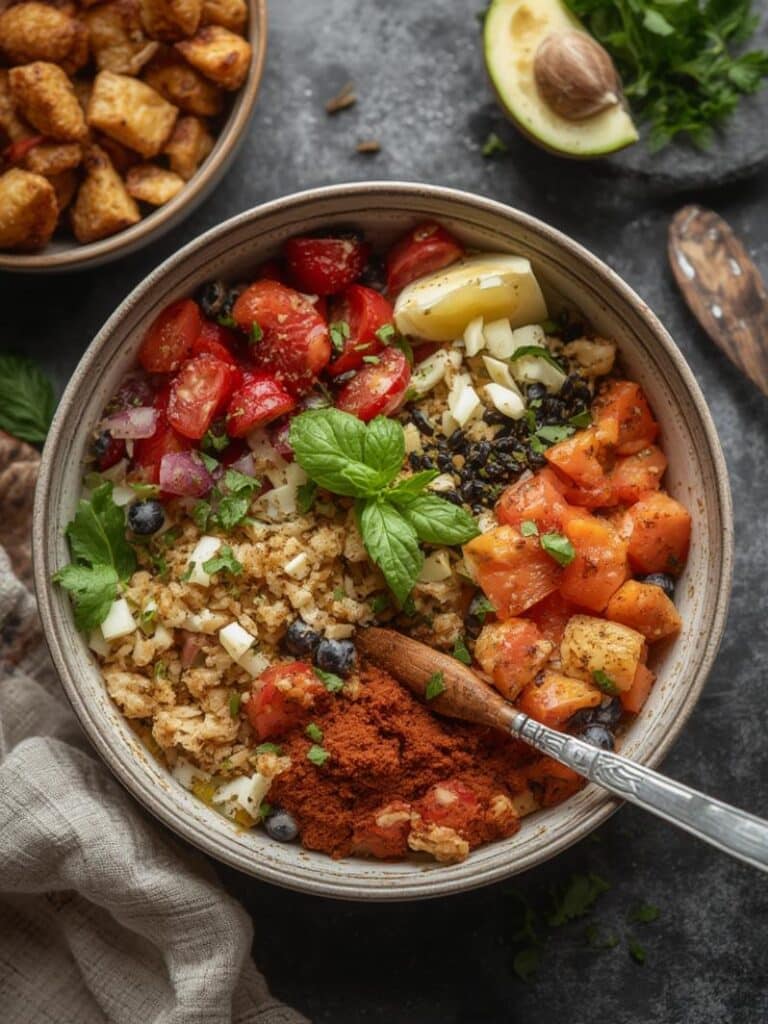
My love for the Mediterranean bowl recipe started on a warm summer evening in Asheville. After a long day at the farmers market, I returned home with a basket of colorful produce that practically begged to be combined. That first improvised bowl—with its vibrant vegetables, nutty grains, and tangy dressing—became an instant family favorite. Now, I’m excited to share my perfected version with you. What makes this recipe special isn’t just its incredible flavors but how effortlessly it comes together, even for beginners. No fancy equipment or techniques required—just fresh ingredients and simple steps that yield something truly delicious.
IN THIS ARTICLE
Key Takeaways: What You Need To Know
– A balanced Mediterranean bowl recipe includes a grain base, proteins, vegetables, and a flavorful dressing
– This bowl requires only 25 minutes of prep time and basic kitchen tools
– You can customize ingredients based on seasonal availability and dietary preferences
– Meal prep-friendly: components can be prepared ahead and assembled throughout the week
– Rich in heart-healthy fats, fiber, and antioxidants supported by the Mediterranean diet
– Perfect for beginners who want to incorporate more wholesome, flavorful meals into their routine
What Makes the Perfect Mediterranean Bowl Recipe?
The perfect Mediterranean bowl recipe combines whole grains, lean proteins, fresh vegetables, healthy fats, and herbs in a balanced, visually appealing arrangement that delivers both nutrition and Mediterranean flavors in every bite.
Growing up in Asheville’s vibrant food scene, I learned that the best recipes blend simplicity with bold flavors. This Mediterranean bowl recipe embodies that philosophy perfectly. When I first started developing this recipe, I focused on creating something that would work for busy weeknights but still feel special enough for weekend entertaining.
What Are the Essential Components?
Every great Mediterranean bowl needs these five elements:
1. A hearty grain base like quinoa, brown rice, or farro
2. Protein from sources like chickpeas, grilled chicken, or salmon
3. Fresh vegetables for crunch and nutrition
4. Healthy fats from olives, avocado, or a drizzle of olive oil
5. Herbs and spices that bring the Mediterranean flavors to life
The beauty of this formula is its flexibility. When summer brings abundant tomatoes to the Asheville farmers’ market, I load up my bowl with those. In winter, I might pivot to roasted vegetables instead. This adaptability makes the Mediterranean bowl recipe a year-round staple in my kitchen.
How Do Colors and Textures Enhance the Bowl?
My culinary instructors always emphasized that we eat with our eyes first. In Mediterranean bowls, this principle shines through the vibrant color palette:
– Deep greens from herbs and leafy vegetables
– Ruby reds from tomatoes and roasted peppers
– Purple hues from red onion and olives
– Golden yellows from olive oil and lemon
These colors don’t just make the bowl Instagram-worthy—they represent the diverse nutrients that make Mediterranean diet breakfasts and meals so healthful, according to the National Institutes of Health.
Texture is equally important. I always include something creamy (like hummus), something crunchy (like cucumber), something chewy (like grains), and something juicy (like tomatoes). This textural symphony makes every bite interesting and satisfying.
How to Build Your Mediterranean Bowl Step by Step
Direct Answer: Build your Mediterranean bowl by starting with a grain base (½ cup), adding protein (3-4 oz), arranging colorful vegetables (1 cup), incorporating healthy fats (2-3 tbsp), and finishing with herbs and a simple dressing.
When I teach cooking classes in my Asheville kitchen, I break down the Mediterranean bowl recipe into simple, manageable steps. Let’s walk through them together.
What Ingredients Will You Need?
For 2 servings of my go-to Mediterranean bowl:
| Component | Ingredients |
|---|---|
| Grain Base | 1 cup cooked quinoa or Mediterranean rice |
| Protein | 1 cup chickpeas or 8 oz grilled chicken |
| Vegetables | 1 cucumber, ½ red onion, 1 cup cherry tomatoes, 2 cups mixed greens |
| Healthy Fats | ¼ cup kalamata olives, ½ avocado, 2 tbsp olive oil |
| Herbs & Extras | Fresh mint, parsley, crumbled feta, lemon juice, salt, pepper |
The ingredients list might seem long, but don’t let that intimidate you. Many items require no cooking at all—just washing and chopping. Plus, you can substitute based on what’s in your pantry or what’s fresh at the market.
How Do You Assemble for Maximum Appeal?
I learned a trick from my mother: build your bowl in sections rather than mixing everything together. This “composed” approach creates a beautiful presentation and lets each ingredient shine.
1. Start with the grain base spread across the bottom of your bowl
2. Arrange protein and vegetables in separate sections around the bowl
3. Nestle smaller ingredients like olives and feta between larger components
4. Sprinkle herbs across the top
5. Drizzle with olive oil and lemon juice just before serving
This approach lets each family member customize their bites. My husband loves to mix everything together, while my niece prefers to try each component separately. The Mediterranean bowl recipe accommodates all preferences beautifully.
For a change of pace, you might draw inspiration from my Mediterranean steak bowl or Mediterranean salmon recipe for protein variations.
Essential Mediterranean Bowl Dressings and Flavor Enhancers
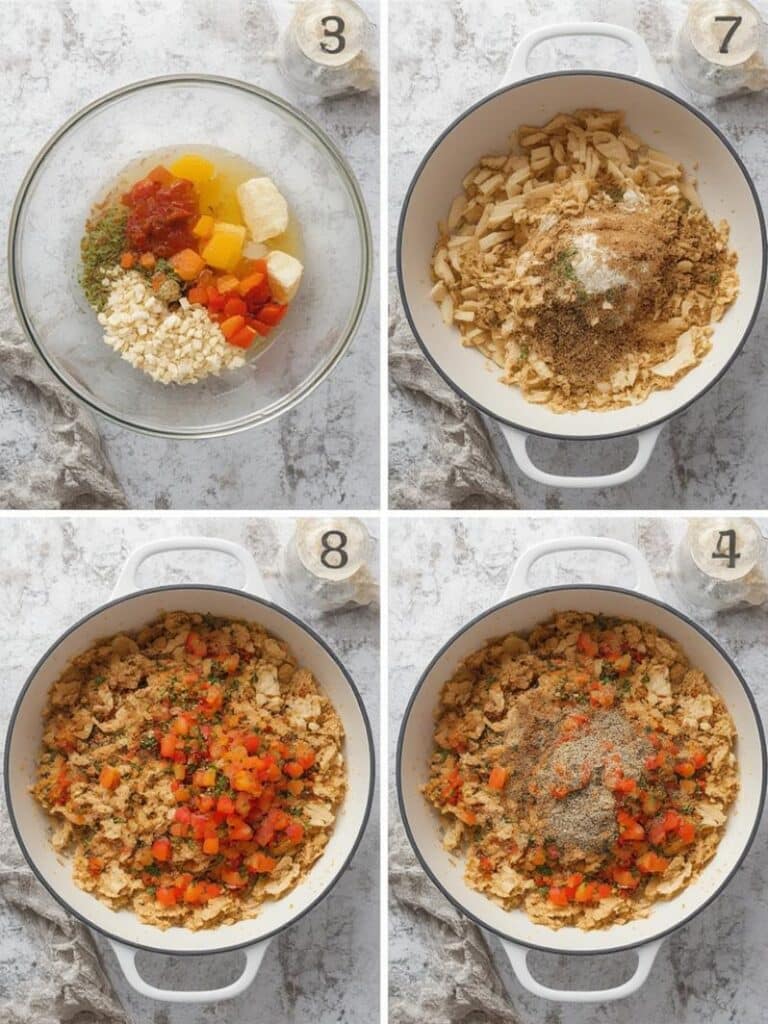
The best Mediterranean bowl dressings include classic lemon-olive oil vinaigrette, creamy tahini sauce, herb-packed green goddess, or tzatziki, all using fresh ingredients and balanced ratios of fat, acid, and aromatics.
A Mediterranean bowl recipe is only as good as its dressing. Growing up in Asheville with its farm-to-table culture, I learned to appreciate simple dressings that enhance natural flavors rather than mask them.
Which Dressings Complement Mediterranean Ingredients?
My go-to Mediterranean dressings rely on simple, quality ingredients:
1. Classic Lemon Vinaigrette
– 3 tablespoons extra virgin olive oil
– 1 tablespoon fresh lemon juice
– 1 small garlic clove, minced
– ½ teaspoon dried oregano
– Salt and pepper to taste
Simply whisk all ingredients together or shake in a jar. This bright, zesty dressing cuts through richer components like avocado and brings the entire bowl to life.
2. Creamy Tahini Sauce
– 2 tablespoons tahini
– 1 tablespoon lemon juice
– 1-2 tablespoons water (to thin)
– 1 small garlic clove, minced
– Pinch of salt
Whisk until smooth, adding water gradually until you reach your desired consistency. This luxurious sauce adds richness to vegetable-forward bowls.
Both dressings store well in the refrigerator for up to a week, making them perfect for meal prep. I often make double batches to use on Mediterranean quinoa salad or drizzled over Mediterranean meatballs.
How Can Herbs and Spices Elevate Your Bowl?
The Mediterranean region’s herb pantry provides endless opportunities to personalize your bowl:
– Fresh mint brings cooling brightness
– Parsley adds a clean, grassy note
– Dill pairs beautifully with seafood options
– Dried oregano offers depth and earthiness
– Sumac provides a lemony tang
– Za’atar blend delivers complex, aromatic notes
My secret weapon is always an extra sprinkle of fresh herbs just before serving. This final touch adds vibrant color, aroma, and that unmistakable freshness that takes the Mediterranean bowl recipe from good to memorable.
When teaching novice cooks, I encourage them to start with one or two herbs they enjoy, then expand their repertoire. Even a simple addition like lemon zest can transform your bowl completely.
Protein Options for Mediterranean Bowls
Mediterranean bowl recipes feature versatile protein options including plant-based choices like chickpeas and lentils (¾ cup per serving), seafood like salmon and shrimp (4-6 oz), and poultry or lean meats like chicken and lamb (3-4 oz).
The protein component of your Mediterranean bowl recipe provides staying power and helps create a balanced meal. Growing up in Asheville with access to both local farms and a diverse international food scene shaped my approach to proteins—I love options that are both nourishing and packed with flavor.
What Plant-Based Proteins Work Best?
Plant-based proteins feature prominently in authentic Mediterranean cuisine:
– Chickpeas: My absolute favorite for their versatility. I keep both canned (drained and rinsed) and home-cooked versions on hand. Season them simply with olive oil, lemon, and salt, or roast them with spices for a crunchy topping.
– Lentils: Green or brown lentils hold their shape well in bowls. I often cook them with a bay leaf and garlic for extra flavor.
– White beans: Cannellini or navy beans bring a creamy texture that contrasts beautifully with crunchy vegetables.
– Falafel: When I have more time, I’ll make small falafel patties using my grandmother’s recipe to add as a protein component.
These plant-based options pair perfectly with Mediterranean chickpea salad elements for a fully vegetarian bowl.
How Do You Prepare Fish and Meat Options?
When incorporating animal proteins, simple preparations let the quality ingredients shine:
– Grilled chicken: Marinated in lemon, garlic, and oregano for at least 30 minutes before cooking
– Salmon: Brushed with olive oil and seasoned with dill and lemon zest before roasting for 12-15 minutes
– Ground lamb: Seasoned with mint, garlic, and spices, then shaped into small meatballs or patties
– Shrimp: Quickly sautéed with garlic and finished with a splash of white wine
The key is keeping the flavors aligned with Mediterranean principles—think herbs, citrus, and olive oil rather than heavy sauces. For a heartier option that still maintains these flavor profiles, check out my Mediterranean ground beef stir fry.
For protein portions, I recommend about 3-4 ounces of animal protein or ¾ cup of plant protein per serving. This provides satiety without overwhelming the other components of your Mediterranean bowl.
Time-Saving Strategies for Weeknight Mediterranean Bowls
Save time making Mediterranean bowls by batch-preparing components (grains, proteins, chopped vegetables) during weekend prep sessions, utilizing store-bought shortcuts for certain elements, and creating an efficient assembly system for quick weeknight meals.
As someone who juggles recipe development with family life in Asheville, I understand the need for efficiency. The Mediterranean bowl recipe naturally lends itself to time-saving strategies that don’t compromise quality or flavor.
How Can Meal Prep Make Mediterranean Bowls Easier?
Sunday meal prep has revolutionized my weeknight cooking. Here’s my system for Mediterranean bowl components:
1. Cook grains in bulk: Prepare a large batch of quinoa, rice, or farro. Once cooled, portion into containers and refrigerate (lasts 4-5 days) or freeze (lasts 3 months).
2. Roast vegetables together: Toss assorted vegetables with olive oil, salt, and herbs, then roast on a sheet pan at 425°F until tender. These keep well for 3-4 days.
3. Prepare proteins strategically: Cook chickpeas from dry for best flavor, or rinse canned versions and season them ahead. For animal proteins, marinate and grill chicken or salmon in quantity, then refrigerate or freeze in portions.
4. Make dressings by the jar: My vinaigrettes and tahini sauces stay fresh for a week in the refrigerator. I make double batches in mason jars for easy storage and serving.
5. Wash and chop hardy vegetables: Cucumber, bell peppers, and carrots can be prepped days ahead. Save delicate items like herbs and greens for last-minute preparation.
This system means I can assemble a fresh Mediterranean bowl recipe in under 10 minutes on busy weeknights.
Which Store-Bought Shortcuts Are Worth Using?
While I prefer homemade components when possible, quality shortcuts can be lifesavers:
– Pre-cooked grains (look for ones without additives)
– Rotisserie chicken (remove the skin to keep it lighter)
– Store-bought hummus as both a protein component and creamy element
– Vacuum-packed cooked beets (no messy prep or staining)
– Marinated antipasti items like artichoke hearts or roasted peppers
– Pre-washed salad greens
The trick is being selective about your shortcuts. I might use store-bought hummus but make my own vinaigrette since the dressing impacts flavor so significantly. Or I’ll grab a rotisserie chicken but take the extra five minutes to prepare fresh herbs.
These strategies pair beautifully with my collection of Mediterranean diet snacks for a full day of easy, healthy eating.
Mediterranean Bowl Variations for Every Season
Adapt your Mediterranean bowl recipe seasonally by featuring summer’s tomatoes, zucchini, and fresh herbs; fall’s roasted squash, pomegranate, and figs; winter’s roasted root vegetables and hearty grains; and spring’s asparagus, peas, and tender greens.
Living in Asheville with its distinct seasons has taught me to embrace seasonal cooking. The Mediterranean bowl recipe adapts beautifully to whatever produce is at its peak.
How Do You Create Summer Mediterranean Bowls?
Summer in the Mediterranean—and in Asheville—brings an abundance of vibrant produce:
– Base: Keep it light with quinoa or pearl couscous
– Protein: Cold poached shrimp or white beans that don’t require long cooking
– Vegetables: Ripe tomatoes, crisp cucumber, sweet bell peppers, tender zucchini
– Fruits: Fresh figs, juicy watermelon, or stone fruits like peaches
– Herbs: Basil, mint, and parsley in abundance
– Dressing: Light lemon vinaigrette with a touch of honey
My summer Mediterranean bowls rarely require the oven. Instead, I focus on fresh, barely-altered ingredients that shine with minimal preparation. A simple Mediterranean salad recipe often forms the base of these summer creations.
“I made Chloe’s summer Mediterranean bowl for a backyard gathering and everyone wanted the recipe,” shares my friend Emma from our local cooking club. “What impressed me most was how little actual cooking was involved—it was all about beautiful ingredients arranged thoughtfully.”
What Cozy Mediterranean Bowls Work for Winter?
When Asheville’s mountain temperatures drop, my Mediterranean bowl recipe takes on a warmer, more comforting personality:
– Base: Heartier farro or brown rice, served warm
– Protein: Roasted chicken thighs with warming spices or slow-cooked lamb
– Vegetables: Roasted root vegetables like carrots, sweet potatoes, or beets
– Warming elements: Caramelized onions or roasted garlic
– Dressing: Richer tahini sauce or herb-infused olive oil
– Garnish: Toasted pine nuts or walnuts for extra comfort
In winter, I often prepare all the components hot and serve the bowl immediately. The residual heat gently wilts any fresh elements like spinach or arugula, creating a satisfying contrast of temperatures.
For a complete winter Mediterranean experience, pair your bowl with elements from my Mediterranean bean salad or Mediterranean pasta salad recipes.
The Mediterranean bowl recipe has become my go-to framework for creative, seasonal cooking. By maintaining the basic structure while swapping in seasonal ingredients, I’ve created a template that works year-round while never becoming boring. This adaptability is precisely what makes Mediterranean cuisine such a joy to work with in my Asheville kitchen—and why I’m confident it will work beautifully in yours, too.